

…or start a capsule vegan collection. Adopting vegan fashion requires only an open mind, curiosity, and a willingness to make kinder choices with every purchase. While working on the first VFR Vegan Fashion Playbook 2024-2025, we have identified five key drivers of the projected growth in vegan fashion. These factors are expected to fuel the global rise in cruelty-free and sustainable awareness, despite any challenges and fads that might undermine veganism’s basic tenets.
As we step into 2025, here are five interconnected reasons why fashion brands should consider going vegan – or at least incorporating this in their proactive development strategies.
Reason No. 1: You can’t go wrong with no-killing
If we replaced the term ‘vegan‘ in ‘vegan fashion’ with ‘cruelty-free‘, it becomes clear that the primary aim is to create clothing and accessories without killing or torturing animals. Over the past two decades, mainstream awareness of animal exploitation in fashion has grown significantly. Campaigns by organisations such as FOUR PAWS, Fur Free Alliance (FFA), Humane Society International (HSI), PETA, as well as documentaries like Slay (2022), The Ghosts in Our Machine (2013), Fashion Victims (2012), Earthlings (2005) and The Witness (2000) have effectively exposed the atrocious practices of sourcing animal-derived materials. These footage are becoming more and more persuasive in making people reflect on their own role in animal exploitation, despite mainstream marketing’s portrayal of wool, silk, and leather as ‘natural’, and therefore ‘good’ materials.
Legislation has primarily targeted fur and exotic animal skins. In November 2024, the British Fashion Council’s announced a ban on showcasing exotic animal leather at London Fashion Week, starting in 2025. This follows a similar decision by Copenhagen Fashion Week in April 2024. As of December 2024, over 25 countries have either banned fur farming, prohibited farming certain species, or implemented stricter regulations that effectively curtail these practices. Legislative actions against fur sales, including those in Israel (2021), California (2023), and in various European Union Member countries, such as Austria, the Netherlands, Belgium, Luxembourg, Slovenia, Croatia, Czech Republic, and Slovakia, do reflect a significant global shift.
In the UK, fur farming was banned already in 2000. A bill to ban fur imports and sales was proposed by Ruth Jones in October 2024 and will undergo a second reading in Parliament on Friday, 13 June 2025. If passed, this legislation will extend existing bans to include the trade of new animal fur from cats, dogs and seals to include foxes, raccoon dogs, mink, chinchilla, coyotes and other animals.
These developments have only been possible due to a shift in public sentiment towards fur and exotic leather. However, the use of non-exotic animal leather, such as that made from cattle and sheep, and feather for down and plumes, has not yet provoked the same level of public disgust to inspire similar legislation. Nonetheless, this is beginning to change. As reported in the VFR Vegan Fashion Playbook 2024-2025, according to the Vegan Society, Google searches for ‘veganism’ increased by 580% between 2018-20231. Germany is leading the trend. In a Statista survey, the number of people who signed up for Veganuary almost doubled from 2020 to 2023, with 44% of respondents in 2023 citing animal welfare as the leading motivation2.
This shift is primarily credited to Gen Z and millennials, 52% and 26% of whom identify as vegans, respectively3. And while Gen Z is driven is mostly driven by general health and sustainability concerns, for millennials, it is the well-being of animals that is identified as the primary reason to go and stay vegan. According to Forbes, Fear Free Pets, and Basic, millennials are adopting more pets, showing up for preventive care for pets, and taking out pet insurance policies. According to Visual Capitalist, millennials have substantial spending power, second only to Gen X. Given that millennials represent 22.9% of the total population, it is only reasonable to perceive them as essential demographic for any vegan and sustainable fashion brand.
Reason No. 2: Vegan Fashion is an expanding market
Data, documentaries and media reports are making it increasingly difficult to ignore the cruelty towards animals in the food and fashion industries. As a result, there is a steadily growing consumer base seeking ethical and sustainable fashion options. The vegan fashion market’s compound annual growth rate (CAGR) is projected to range between 7.60%4 and 12.1%5 until 2032 and 2033, respectively. North America currently holds the biggest share of the global vegan fashion market6. The dynamic growth of veganism in recent years across North America and Europe is largely attributed to increasing awareness of environmental and animal welfare issues. The UK, in particular, is projected to be the fastest growing market, with a CAGR of 7.8%7.
According to Veganising It, the Asia-Pacific region has the highest percentage of people who identify as vegans (9%)8, and is projected to experience substantial growth. The Asia-Pacific region is considered the most culturally diverse in the world, with numerous local cultures and practices that draw on the ahimsa (no-harm) principle in both life and spirit. Market Research Future® also reports China’s vegan fashion market currently holds the largest market share, while India as the fastest growing market in the region. This is good business news. According to the Business of Fashion State of Fashion report released in late 2024, India is emerging as the next Asian superpower market, as China faces economic challenges.
Online platforms serve as the key distribution channel for vegan fashion, both in womenswear (CAGR of 16.8%9) as well as menswear (CAGR of 11.7%10). This is likely due to the uneven availability of brick-and-mortar and department stores, even in countries with a high percentage of vegan consumers. Furthermore, vegans are by definition more open to digital solutions, with 62% of demographics being digital natives.
Today’s communities are primarily created and maintained through online platforms. According to NielsenIQ and World Data Lab, Gen Z, which makes up 52% of all vegans and is also the first digital native demographic group, is quickly catching up in terms of spending power. The report projects that Gen Z will experience the fastest growth in spending power in the next 10 years, adding nearly $9 trillion in spending globally by 2034. That’s more than any other demographic group. World Data Lab estimates Gen Z to be “the largest generation to date and will likely be the largest ever.” Currently, it already accounts for almost a quarter of the world population. Investing in expanding the Gen Z database is essentially tapping into the future of vegan fashion.
Reason No.3: It’s where the most exciting Material Innovations are happening
According to Grand Research View, the vegan leather market is projected to achieve the fastest CAGR among all leather markets, growing at 8.3% from 2024 to 2030. The United States is forecasted to lead this growth, with the vegan leather market surpassing the growth of the general leather market by 1.8%. In Europe, the general and vegan leather markets are expected to grow side by side.
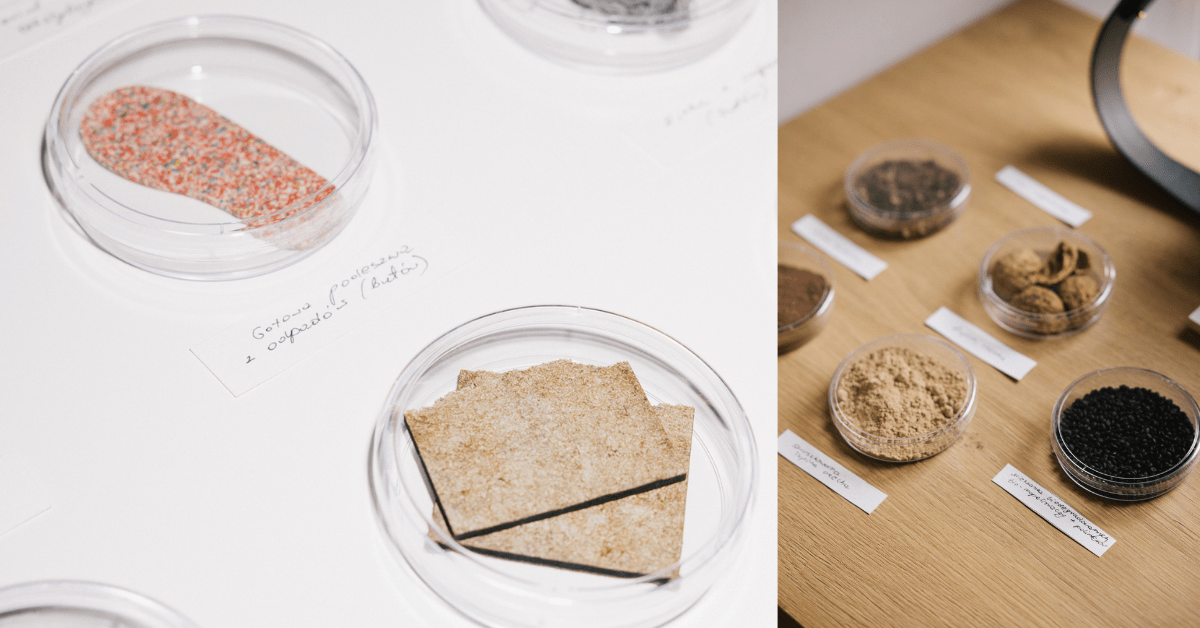
Ewa Polkowska: In recent years, a growing number of companies are leveraging waste materials to develop pioneering leather alternatives.
As vegan leather continues to compete with animal leather in terms of price, durability and popularity, it is in the interest of the vegan fashion industry to promote the use of innovative bio-based and recycled PET leather alternatives over virgin synthetic and fuel-based alternatives to enhance credibility on sustainability claims. With brands and producers striving to meet the growing demand for sustainable vegan leather alternatives, IDTechEx forecasts a CAGR of 37.4% for the production capacity of the vegan bio-based leather industry from 2024 to 2034.
While vegan customers would always choose a PU (polyurethane) or even a PVC (polyvinyl chloride) bag over a vintage leather one, a long-term objective for vegan brand should be to appeal to both vegan and non-vegan customers by offering products that are as attractive as they are innovative and sustainable. The synergy between the excitement surrounding vegan leather alternatives and advancements in technology is a key driver of footwear’s dominant share of the global vegan fashion market. The development of high-quality vegan materials, such as plant and bio-based leather alternatives like Desserto (cactus), Piñatex (pineapple), Apple Skin (apple), cork and mushroom leather provides brands with viable alternatives that meet both aesthetic and functional needs.
Meanwhile, the most promising leather alternatives in terms of sustainability are those free from plastic. Currently, there are three notable plastic-free leather alternatives: MIRUM®, widely recognised as the world’s first plastic-free leather alternative made from natural rubber; TômTex, crafted from shrimp shell waste – though not technically vegan, it is undeniably sustainable (the name “tôm” means “shrimp” in Vietnamese); and the Polish startup Bio2Materials’ innovative leather alternative made from nutshells and cocoa. (Stay tuned for an upcoming interview at VFR!)

Reason No. 4: It’s simply trending
Vegan fashion aligns closely with key business trends of the moment, such as technological innovation, re-commerce, and repair services. In recent years, vegan fashion has enthusiastically embraced high technology in product development, delivering innovative products in sportswear, both for indoor and outdoor use. These have captured the interest of vegan and non-vegan consumers alike, and have capitalised on a growing awareness of health and a willingness to adopt new technologies to maintain general well-being.
A brand cannot go much greener than by operating a re-commerce, which has become the new holy grail of the fashion industry. Re-commerce holds the promise of reducing the total number of new products while raising a brand’s revenue from selling used products. Fostering a loyal, recurring customer base is a welcome bonus. Brands that have full operational control of the resale operations and optimise revenue from secondhand products are best positioned to maximise the benefits of reduced Scope 3 emissions, which are defined as ‘the result of activities from assets not owned or controlled by the reporting organisation, but that the organisation indirectly affects in its value chain.’11
While running a re-commerce requires significant operational budget to launch, repair services demand much less money to start and operate, especially if a brand produces locally. Repair services not only enhance sustainability but also cultivate a loyal and trusting customer community – areas that successful vegan brands already excel at. Repairing is gaining significant traction. In London alone, Reiss (part of the Next group) has partnered with repair marvel SOJO to offer repair and alternation services for their customers, while Save Your Wardrobe has collaborated with Bicester Village to provide repairing, altering, and – top that – cleaning of wardrobe items. Customers are drawn to these initiatives for their affordability (also a major trend), nostalgia (also a trend, as seen by the growing pre-loved market), and sheer curiosity – all of which show no signs of slowing down.
William A Cantú: For vegan and sustainable brands, addressing trends requires a combination of strategic vision and authenticity. It is crucial to align with trends that resonate with their ethical commitments, such as plant-based lifestyles, environmental activism, and cruelty-free practices. Authenticity in this alignment strengthens consumer trust. Avoiding greenwashing practices is imperative: only developing strategies or products through trends that can be genuinely supported by processes and partnerships consolidates brand credibility.
Vegan fashion, particularly its ethical dimension, is also playing a central role in the ongoing – and somewhat hectic – reinvention of luxury. In recent years, individuals all over the world have been exploring new forms of luxury as bland and overexposed statement pieces have lost their charm and magic. And such, vegan brands such as Alfredo Piferi, Giulia & Romeo, Lucky Nelly, and Sarah Regensburger have deliberately crafted their luxury status from day one, while brands like Gucci and Tory Burch have been known to experiment with high-end vegan fashion collaborations to appeal to evolving tastes. As storytelling has become an absolutely essential attribute of any fashion item, soon enough, only brands that able to weave a compelling story into their products will stay on the increasingly competitive luxury market. And as far as stories go, there is little as captivating as an ethical narrative tied to a garment.
Reason No. 5: Sustainability is the way ahead
Animal-derived materials have significant environmental impacts, including high water usage, deforestation, and greenhouse gas emissions. Vegan alternatives, particularly those made from plants or recycled materials, offer a path to reducing these environmental footprints. According to Textile Exchange and FAO, around 13.4 million tonnes of raw hides were produced in 2022, which translates to nearly 1.5 billion animals. Cattle accounted for the majority, with an estimated 9.4 million tonnes produced, followed by sheep (2.0 million tones), goats (1.3 million tonnes), and buffalo (0.7 million tonnes). China leads global production of cattle, sheep and goat hides, followed by India (buffalo, cattle, goat), the US and Brazil (cattle).
Ewa Polkowska: Promoting alternatives to animal leather, especially those derived from plant-based materials or recycled resources, is of crucial importance. These options present a more sustainable pathway than synthetic leathers reliant on fossil fuels. (…) The critical challenge lies in ensuring that these innovations address genuine sustainability issues, such as repurposing existing materials that are already in circulation, rather than depleting new natural resources. Emphasising circularity not only mitigates environmental impact but also fosters transformative innovation.
Conscious vegan consumerism is a holistic approach that embraces environmental stewardship and protection of animals in all areas of life. By incorporating vegan fashion, brands can position themselves as ethical and forward-thinking, which can enhance brand loyalty and attract environmentally conscious consumers. As a part of the broader sustainable fashion family, vegan fashion aligns with growing consumer demands for products that prioritise sustainability and ethics. The growth predictions for other sustainable fashion markets provide a broader view of the dynamics of demand for sustainable fashion.
Vegan fashion brands do not compete with each other for the attention of vegan customers. Vegan fashion competes with the entire fashion industry. As it shares a significant overlap in demographics with other sustainable sectors. Customers who pick a brand with sustainability label are likely seeking more than just another T-shirt or a pair of trainers. They are looking for meaningful, values-driven choices – and that’s the demographic the entire fashion industry, and particularly sustainability sector, is competing over. And this group is only growing.
***
All quotes and references are sourced from the VFR Vegan Fashion Playbook 2024-2025.
- Quoted after the Vegan Society and Earth.org ↩︎
- For more insight, visit Basic Online ↩︎
- For more data and insight, visit the Vegan Society ↩︎
- According to Harshita Goradel’s report published by Market Research Future® (USA) in August 2024 ↩︎
- Future Market Insight is projecting a two-digit CAGR of over 12.1% from 2023 to 2033. ↩︎
- Market Research Future® (USA) ↩︎
- CAGR of 7.8% from 2023 to 2033 as estimated by Future Market Insight ↩︎
- For more data, visit VeganisingtIt ↩︎
- 2023-2031 (Straits Research) ↩︎
- Grand View Research is also projecting e-commerce to experience a CAGR of11.7% for 2021-2028, ↩︎
- As defined by EPA ↩︎