
Happy International Day of Zero Waste!
Waste is the problem of our civilisation. In the fashion industry alone, according to 2024 statistics1, of the 100 billion garments produced each year, 92 million tonnes end up in landfill. The fashion industry is responsible for 20% of global wastewater and 10% of global carbon emissions—more than the combined emissions from aviation and maritime shipping. Fast fashion brands now produce twice as many clothes as they did in the year 2000, and at the current rate of global production and consumption, the fashion industry’s emissions are expected to increase by 50% by 2030.
It is estimated that synthetic materials can take up to 200 years to decompose—an optimistic scenario at best—releasing toxic substances into water, soil, and air. Almost 10% of all microplastics found in the ocean originate from textiles. In reality, every plastic item ever produced still exists in some form. In 2024, less than 15% of textiles worldwide were recycled. While current recycling technology is far from ideal, more efficient and sustainable solutions are continuously being developed, such as plastic-eating bacteria and new enzymes capable of breaking down nylon to facilitate the recycling of blended fabrics. The most effective way to accelerate these innovations is to support those who make recycling their mission, job, and goal.
In this context, it is thrilling to see that the number of vegan fashion brands making recycled materials their core business objective is growing impressively. They go above and beyond to recycle as much as possible within their capacities, ensuring that no animal-derived ingredients are used at any stage of the process. These brands carefully design their pieces and plan production around sourcing recycled materials. Some even go further by collecting post-consumer waste and organising beach clean-ups. Others work directly with manufacturing facilities to develop their own fibres and fabrics from recycled waste. This process involves shredding plastic waste into small flakes, melting them down, and reforming them into wafer-thin fibres, which are then spun into long threads.
In this week’s edit, we’ve selected the first ten brands whose efforts we truly admire. Support them in supporting our collective cause.
You’re all welcome.
Girlfriend Collective (USA)

Girlfriend Collective produces activewear using its own recycled fabric, made from post-consumer water bottles and certified Standard 100 by Oeko-Tex, the world’s leading authority on fabric safety. In addition to its transparent material sourcing and production process, the brand operates the ReGirlfriend Recycling programme, which accepts clothes from any brand in exchange for store credit. Shipping for recycling is free-of-charge—it won’t get better than this.
VFR’s pick: Cobalt Elena Long Sleeve Bodysuit
Regular price: $78.00
Matt & Nat (Canada)

One of the most widely recognised vegan brands, Matt & Nat (short for Materials & Nature) was founded in Montreal, Quebec, in 1995. The Canadian brand was an early adopter of recycled materials, incorporating nylon, rubber, and even repurposed windshield resin. Each Matt & Nat bag contains approximately 21 recycled plastic bottles, with the brand recycling over 9 million bottles annually for bag production alone.
VFR’s pick: Marie Vegan Backpack
Regular price: $285.00 CAD
Ccilu (Taiwan)
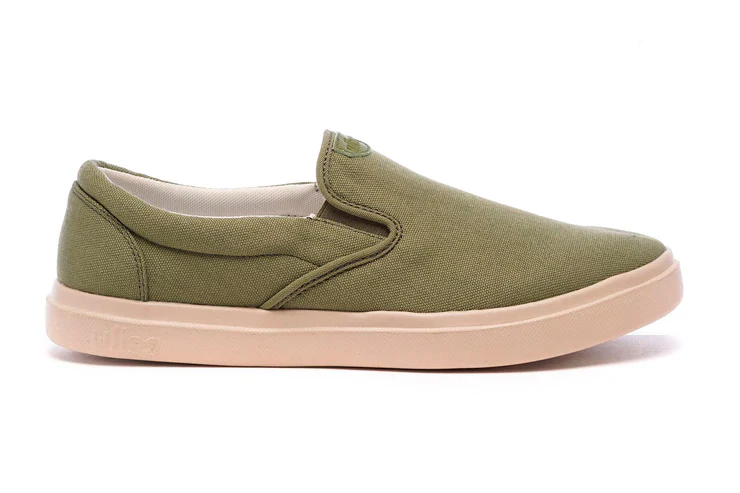
Ccilu has earned acclaim for its advanced material innovations. The brand embarked on a mission to remove both food waste and plastics from the waste stream while cutting emissions, leading to the development of XpreSole® and GreenPlax® technologies. Their work addresses plastic waste accumulation from neighbouring countries such as Japan, Korea, China, the Philippines, and Vietnam, as well as from imported recycling from the United States and Europe. Logistical inefficiencies often result in a surplus of non-recycled waste circulating in the ocean.
VFR’s pick: Xpresole Cody Slip-on Sneakers (Men)
Regular price: $89.00
Kaala (Germany)

Kaala produces yoga bags and backpacks using MIPAN®, a recycled nylon made from industrial waste that retains the same quality as conventional nylon while requiring fewer resources. The bags’ linings are made from recycled PET bottles.
VFR’s pick: Cloud Bag – Yoga Bag
Regular price: €169.00
AirPaq (Germany)

AirPaq repurposes airbags, seatbelt buckles, and seatbelts from landfill, transforming them into new, durable products. First, the airbags are opened to extract the maximum amount of fabric, which is then dyed in an environmentally friendly manner and cut with precision. Seatbelts are repurposed as back panels, shoulder straps, and closures, while belt buckles serve as distinctive roll-top closures. Through this process, rugged materials become fully functional backpacks and accessories—with stories attached.
VFR’s pick: Rolltop Bundle
Regular price: €248.00
Bendl (The Netherlands)
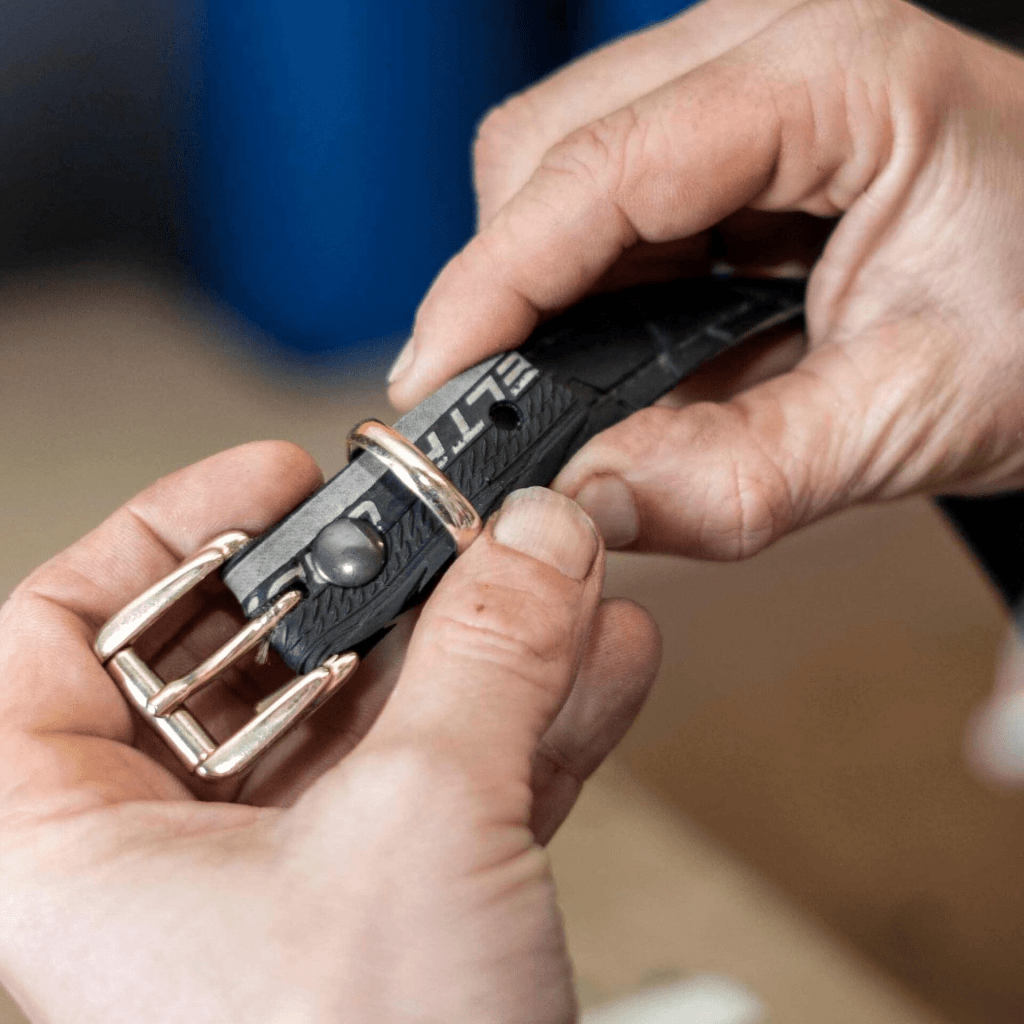
Avid cyclist Casper Vloet, the founder of Bendl, built a business out of his lifestyle. His brand repurposes bicycle tyres, fire hoses, and truck tarpaulin to create accessories. Both he and his brand are actively involved in Huntington’s disease research, an effort that began with two bike rides in 2019 and 2022, organised by Edwin Stolp. Cyclists from across the Netherlands participated in a 110-kilometre relay or a 40-kilometre tour around Westzaan, raising over €50,000 for research. Though Stolp hosted his final tour in 2024, Bendl is carrying the torch, with a portion of proceeds from bicycle tyre belts going towards furthering the cause.
VFR’s pick: Bicycle tire belt – Narrow Flandrienne
Regular price: €39.00
Embassy of Bricks and Logs (Germany)

Founded in 2015 by Niko Vatheuer, his wife Anna, and Eric Mirbach (an internationally published fashion photographer), Embassy of Bricks and Logs is dedicated to animal welfare, responsible sustainability, and innovative recycled materials. The trio has consistently upgraded their collections to be made entirely from post-consumer recycled plastics—including down, upper fabric, lining, and faux fur.
VFR’s pick: Mona Jacket
Regular price: €190.00
Rewilder (USA)
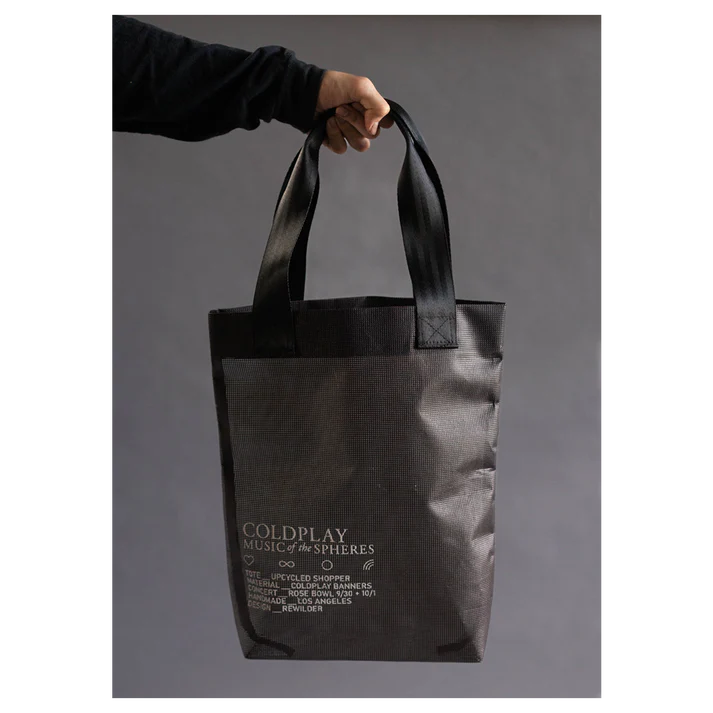
Based in Los Angeles, Rewilder transforms salvaged high-performance materials, such as climbing ropes, car airbags, and seatbelts, into zero-waste bags. The name Rewilder is inspired by the wolves reintroduced to Yellowstone National Park in 1995, which revitalised the ecosystem. The brand sees its role as similar—returning discarded materials into the system and closing waste loops. One standout piece is a tote bag upcycled from mesh banners used at Coldplay’s Rose Bowl concerts on 30 September and 1 October 2023.
VFR’s pick: Rewilder Coldplay Tote
Regular price: $40.00
Recykers (Spain)
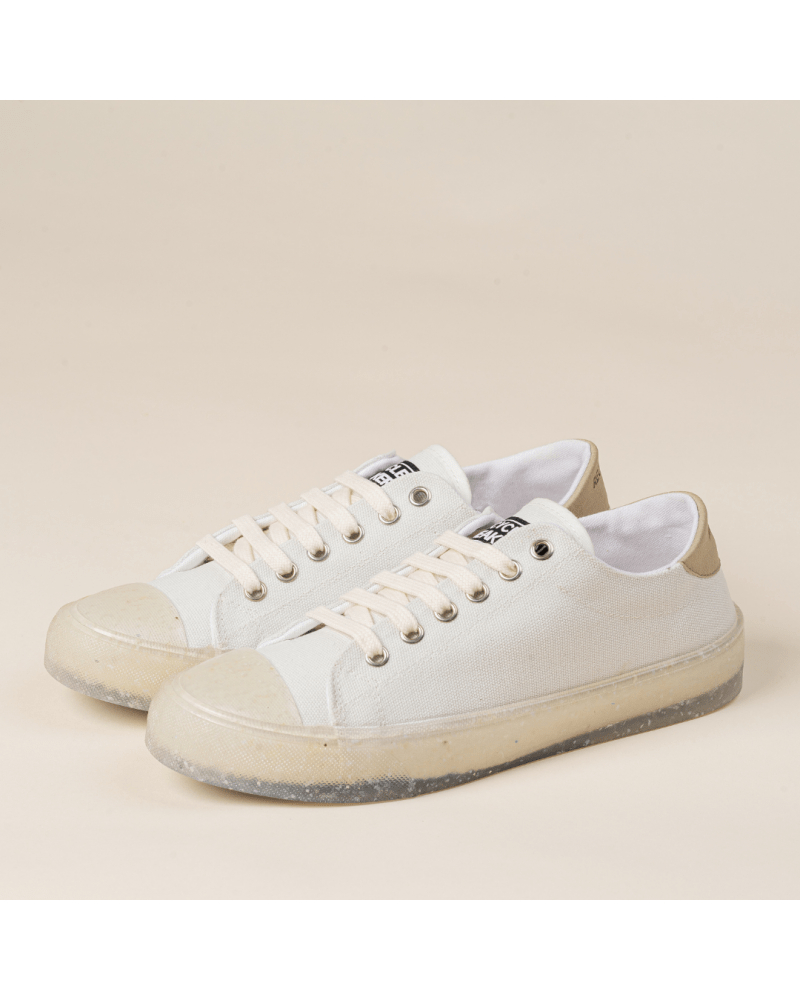
Recykers focuses on repurposing post-consumer plastics into sneakers, slippers, and sandals. Using clean, renewable energy, all products are manufactured in Spain through a proximity economy and fair trade. The brand’s materials include recycled polyester for canvas and laces, and its signature “Recykers Fluid” sole, crafted from recycled PET material.
VFR’s pick: Sneaker Camden White
Regular price: €49.90
Vegalli (Brazil)

With over 50 years of experience in footwear, Vegalli is a Brazilian brand bringing advanced sustainable manufacturing technologies to its home country. Its shoes incorporate recycled cotton, PET, mesh, and rubber made from production leftovers. Vegalli prides itself on timeless aesthetics, avoiding fleeting trends in favour of longevity.
VFR’s pick: Women’s Adventure Boots
Regular price: R$379,99
Explore more vegan and sustainable fashion in our Directory.
- Info source: https://wastedirect.co.uk/blog/fashion-waste-statistics/ – crosschecked with other sources ↩︎