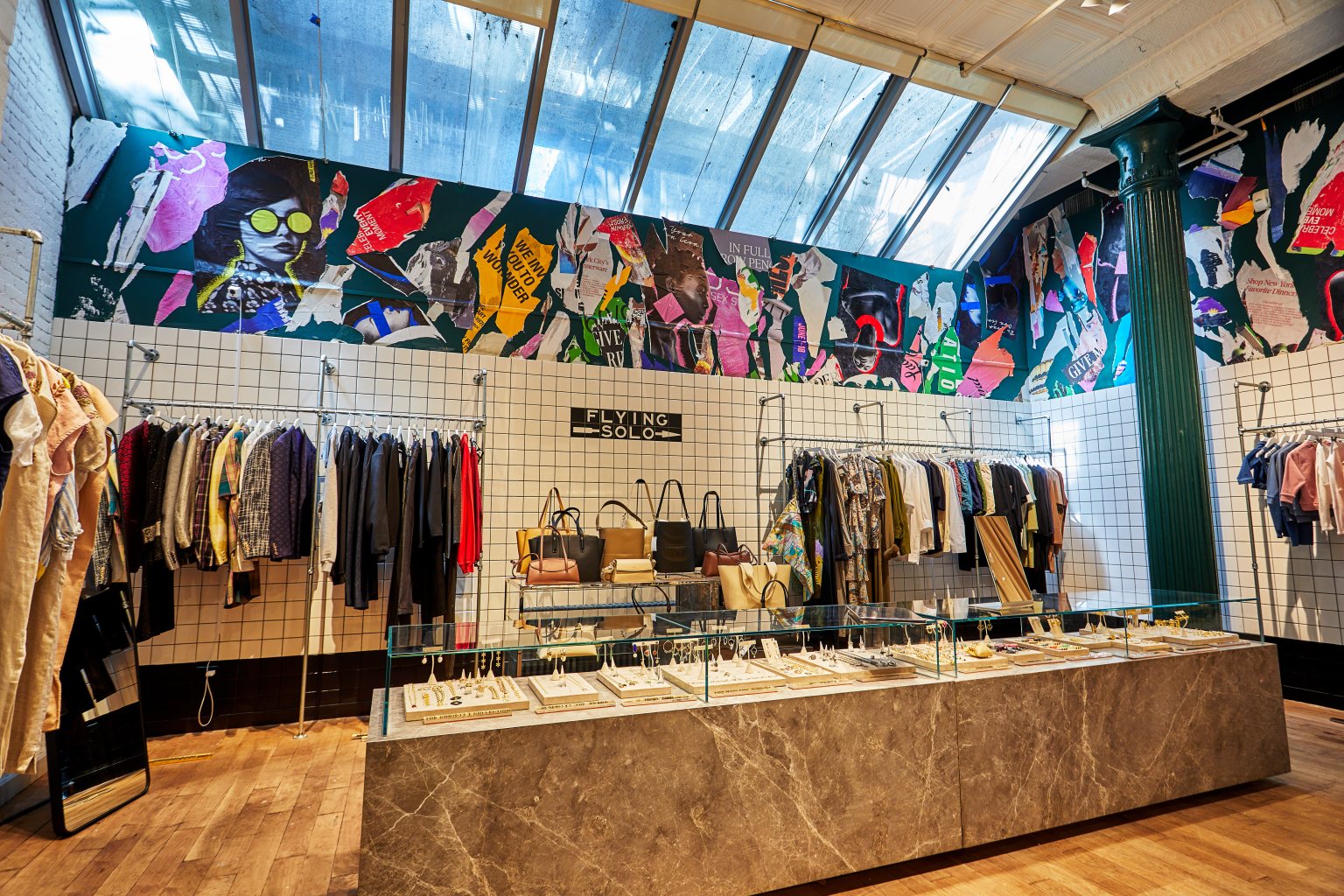
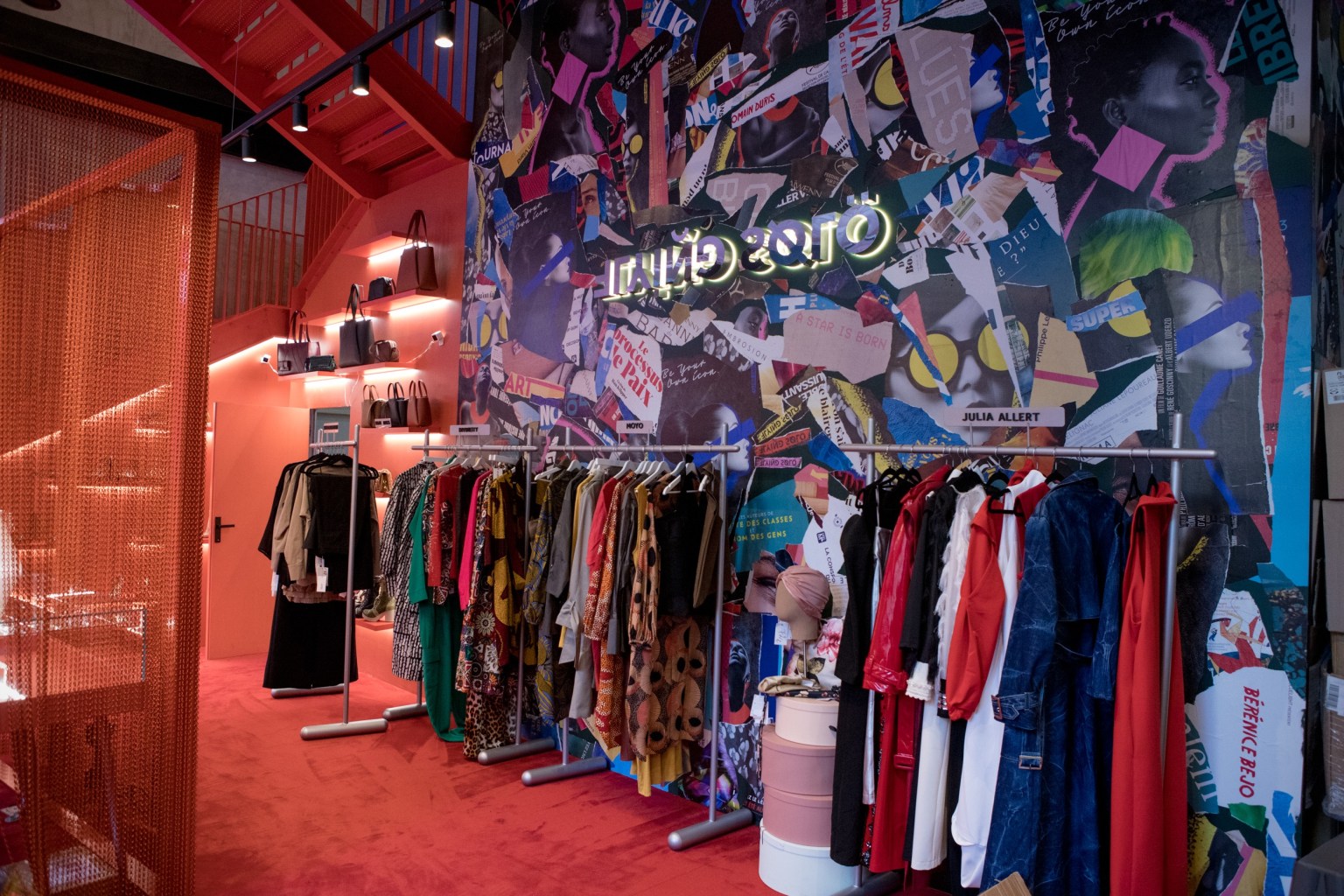
It’s arguable which aspect of running an independent fashion brand is the most challenging, but breaking into the mainstream certainly doesn’t come with a playbook – no matter what the publishing or training course market might offer. This time, we delve into the success story of Flying Solo – the go-to platform for independent fashion designers in New York City – in an interview with Bayr Ubushi, the PR Manager behind the platform and its famously committed community, to talk about connecting indie brands to the grid – and why it always takes a team.
Tough Love. What PR Really Means in Independent Fashion
To start with, Bayr is not a typical PR manager – if such a thing even exists. He holds a degree in IT, and while he began working towards another in marketing, this was cut short by circumstances that led him to migrate from Elista in the south-west of Russia, to the United States in 2012. It was there that he first crossed paths with fashion, in 2013. ‘I was helping my friends with their brand – did a bit of styling, helped with samples,’ says Bayr. A few years later, in 2017, his skills were requested by Flying Solo – a spirited collective endeavour in need of someone who understood structure and logic as much as they did fashion. ‘I guess my IT background helped with that.’
Some encounters are meant to leave a lasting impression – like the moment when Catherine Skarzenski of Exuberant, a jewellery designer and extremely effective manager in her own right, told Bayr exactly what he needed to hear in those early Flying Solo days. ‘I used to think I didn’t really have any useful skills – I can’t do photography, I can’t really style – and then she told me that when you’re in this, the best thing you can have is communication skills and empathy,’ says Bayr.
To be specific, though, for Bayr, communication skills mean starting and maintaining a business relationship based on honesty and clarity around goals and expectations, while using empathy as the underlying modus operandi. ‘I don’t like it when someone promises a lot of things, but in the end, nothing happens,’ he says. ‘PR is all about authenticity and trust. If I can’t promise something, I won’t.’
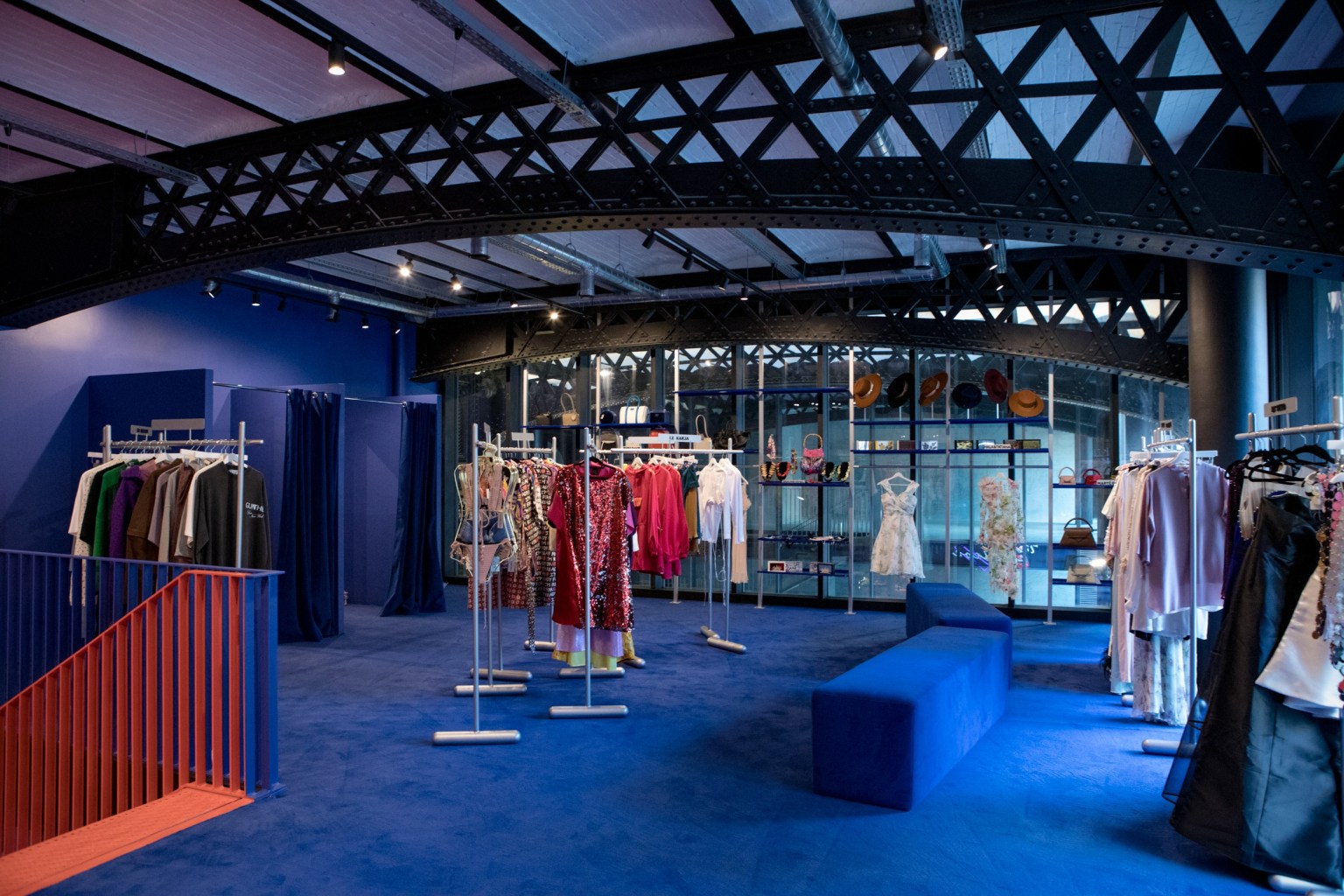
Just last year, Bayr met an extremely talented Parsons designer who wanted to participate in Flying Solo’s show but had only four looks. In a typical “Bayr move”, he advised against participation – instead of cashing in – and made a convincing case for waiting until she had at least eight. ‘It was the right thing to do – otherwise it would have made no sense.’
Another home truth designers might hear from Bayr: there are no quick wins. ‘You can’t just come in and expect to start selling right away,’ he says. It takes years to build sales, and – for better or worse – this has little to do with a designer’s talent, vision, or values.
To be selected to show and sell with Flying Solo, brands are either scouted or apply directly. The same requirements apply in both cases. ‘We try to make the selection very diverse, so a brand must show a very strong identity,’ says Bayr.
‘We can’t forget about the business side, though.’ While that might sound daunting at the beginning, it may be as simple as having enough looks to show and sell – after all, a designer ought to fill a rack. Unfortunately, in most cases, people are either born creatives or business-minded. ‘A lot of designers are very, very talented and have really strong values – but no business skills. A brand can’t survive without a strong business side – or a strong business partner,’ says Bayr.
At first, there were 10
Or, indeed, a supporting collective. And this collective strategy is backed by numbers. In 2016, Flying Solo began as a group of 10 designers pooling funds to rent retail space. It became popular, and more designers asked to join. In just one year, the group moved into a larger store at 434 West Broadway, previously occupied by Just Cavalli. When Bayr joined, Flying Solo was already a 64-designer collective, all working together.
‘It was a community of designers. We didn’t have a sales team. Everyone did everything – one designer would be on the sales floor, another fixing things,’ says Bayr. In 2017, they opened their own showroom – The Copper Room – and the community grew to include stylists, photographers, make-up artists and hair stylists. ‘The fashion community in New York is probably the biggest there is, but it’s still quite small – everyone knows each other,’ says Bayr.
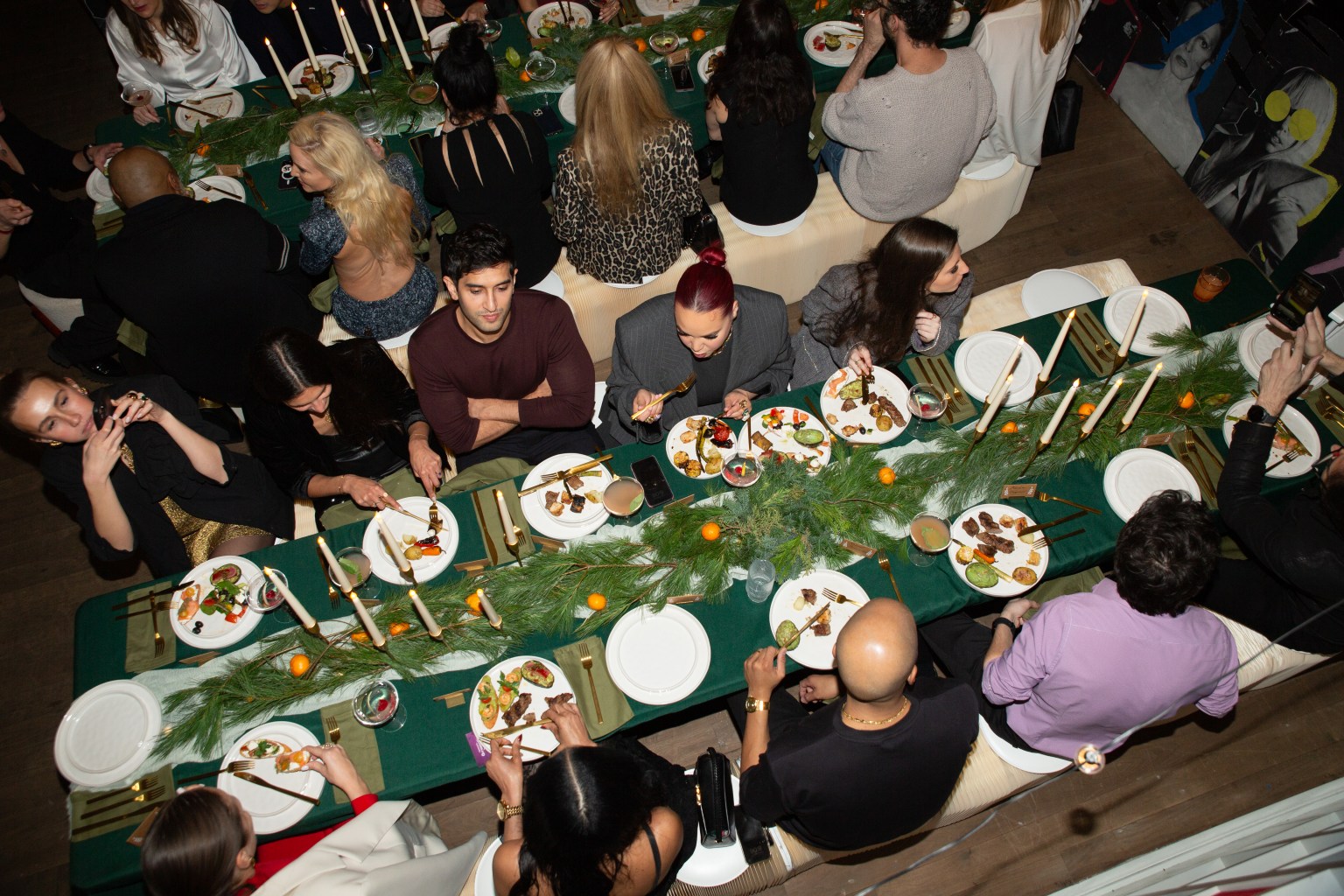
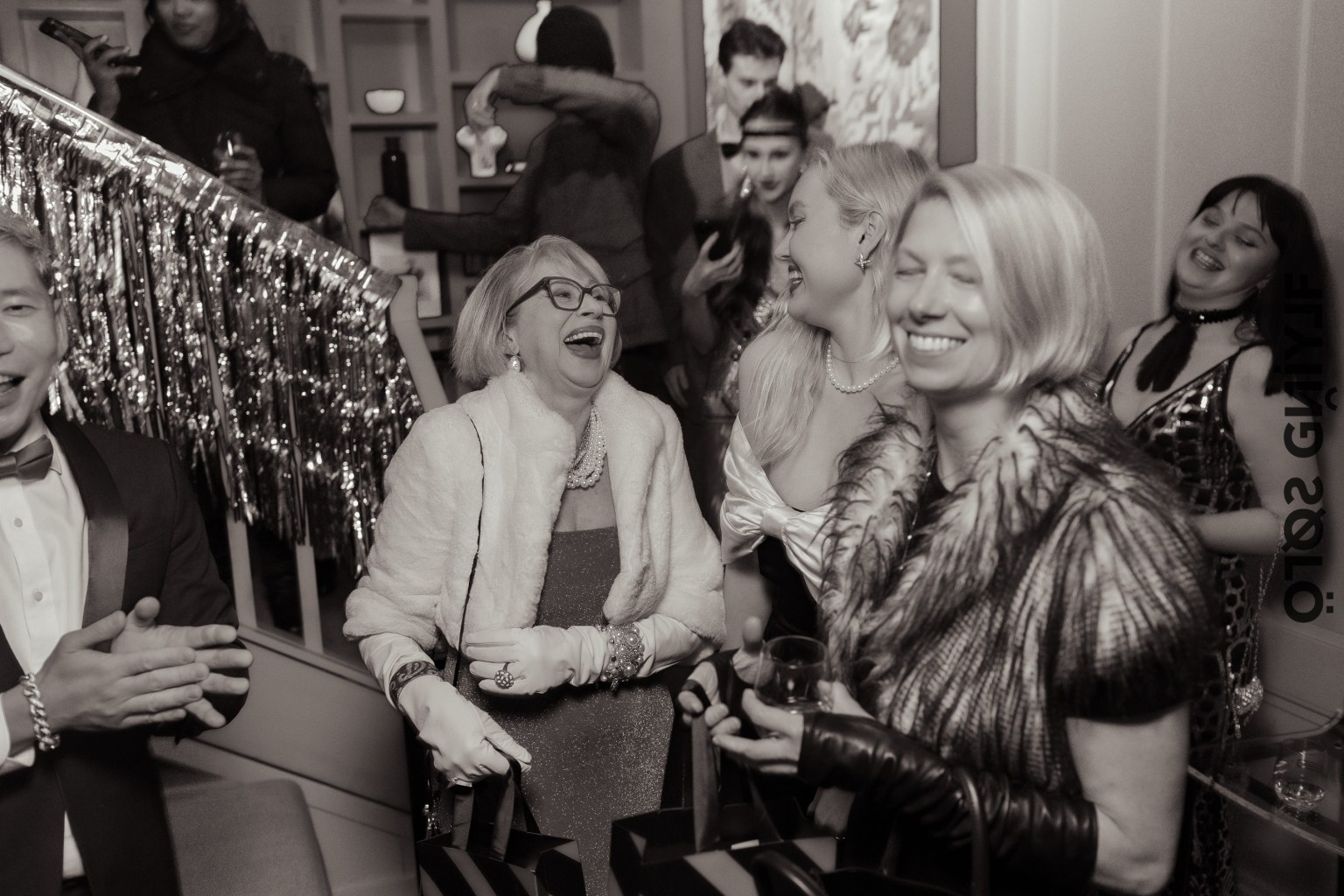
Bayr would see teams with entirely different styles come and go – and always return. ‘We have stylists we’ve worked with from the beginning, and they still come back.’ Eventually, it became clear they needed to meet properly, not just bump into each other. ‘Of course, this is New York and everyone’s busy – but last year, we held a holiday dinner. We picked a date and invited everyone.’
‘It’s because of this community that we’re able to deliver results to our designers – people keep coming back to us with their magazines, influencer and celebrity projects. Every day,’ says Bayr. Flying Solo now produces its own photo shoots (‘just this week, we had five’), a significant step beyond simply lending samples – something they couldn’t pull off without active community support. That very support is what helped them survive COVID. The store was closed, but designers kept chipping in for rent. ‘They told me: we’re all in the same boat,’ says Bayr. ‘I think good people actually attract good people.’
With such a committed creative community, it’s only natural that a customer might want to become a patron – and, in doing so, part of it. ‘‘Most of our sales come from regular customers, those who hunt for something they can’t find anywhere else. Core customers must be a part of this community. It’s not just about the brand – it’s about the story. That’s why they always come back.’
Design Comes First
However, independent fashion competes with many segments at once – from affordable luxury to fast fashion – and not every customer is looking for a treasure hunt. ‘Most just want new products.’ And while that’s no revelation, it raises the question: how does an independent brand – particularly one that’s vegan and sustainable, as we continue to push that agenda – stand out and compete with such a varied market?
First of all, the design has to be strong. This is the sales pitch – especially since vegan and sustainable brands can’t compete on price with fast fashion, and affordable luxury thrives on compelling design. ‘Affordable luxury brands have really good design – something vegan brands didn’t always have,’ says Bayr.
According to him, that’s changing. More vegan brands are now investing in exciting design rather than relying solely on ethical narratives. Focusing on attractive, eye-catching design – the kind that makes a bag desirable just by how it looks and behaves – is how a product speaks to everyone, vegan or not.
Take Freja bags. Launched just after COVID by Jenny Lei, they’re massively popular – each costs around $800, and people still come in asking for them. ‘We used to sell 4–5 during the week, and 8–12 at weekends. These bags work because they work for everyone.’
This is especially important in markets like New York City, where vegan and sustainable fashion has lost its ‘novelty’ factor. ‘Six years ago, everyone was requesting vegan or sustainable brands for editorials and features,’ says Bayr. Back then, communications for a vegan brand could focus entirely on animal and environmental ethics. ‘Now vegan brands just became normal – there’s no difference in doing PR for a vegan or non-vegan brand,’ he says.
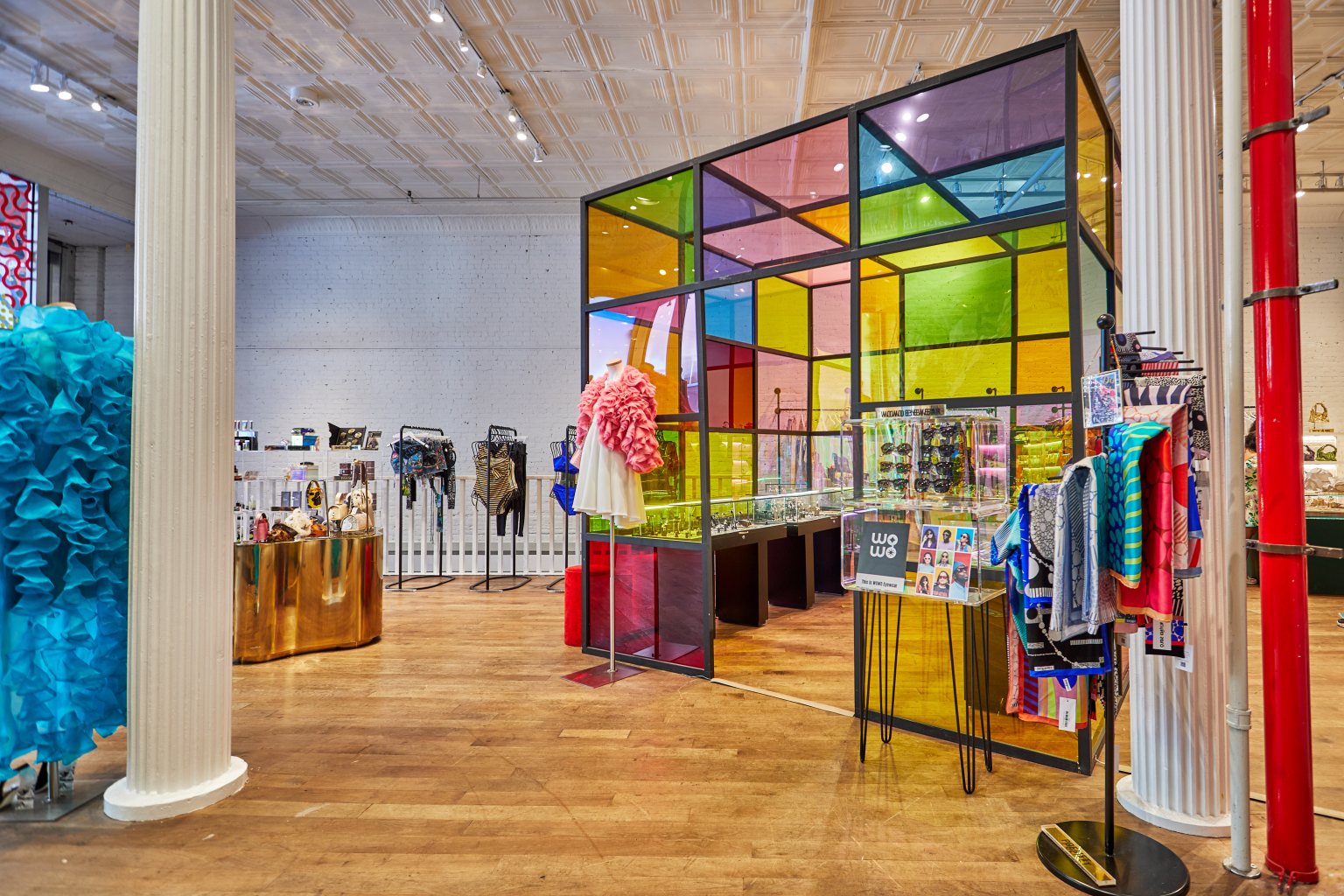
Secondly, a brand can’t afford to neglect the business side: bags must be promoted, and the story needs to hold. ‘I saw a picture of Hailey Bieber recently – she carries it regularly, and I thought, “OK, she really likes the bag,”’ says Bayr.
With promotion goes storytelling. ‘Now the customers don’t just want the bag – they want the story behind it. There’s so much information and so many products now, those who are looking are looking for something that fulfils a desire – ethical or otherwise,’ says Bayr.
Storytelling should enhance the product – not be the product. For vegan and sustainable brands, it’s important to tell a compelling story about caring for animals and the planet – but there are only so many ways to do that. Often, brands overdo it with technicalities and end up overwhelming – or simply disengaging – customers.
‘Our brains forget things, and if you focus too much on production processes, the story becomes too technical – you can scare people off. Not everyone will understand it,’ says Bayr. A lecture on manufacturing processes is the last thing a customer wants while treasure hunting.
There’s a fine line between storytelling and over-explaining – and fun draws that line. Aleksandra Fardanov, co-founder of Smart Swim Suits, makes swimwear from recycled ocean plastic, and dreams of building sustainability centres to educate people about recycling. And while she’s fluent in technical detail, her educational approach is anything but dry. ‘She focuses on the fun, exciting parts – and I think she’s doing it right,’ says Bayr.
Never Dance Alone
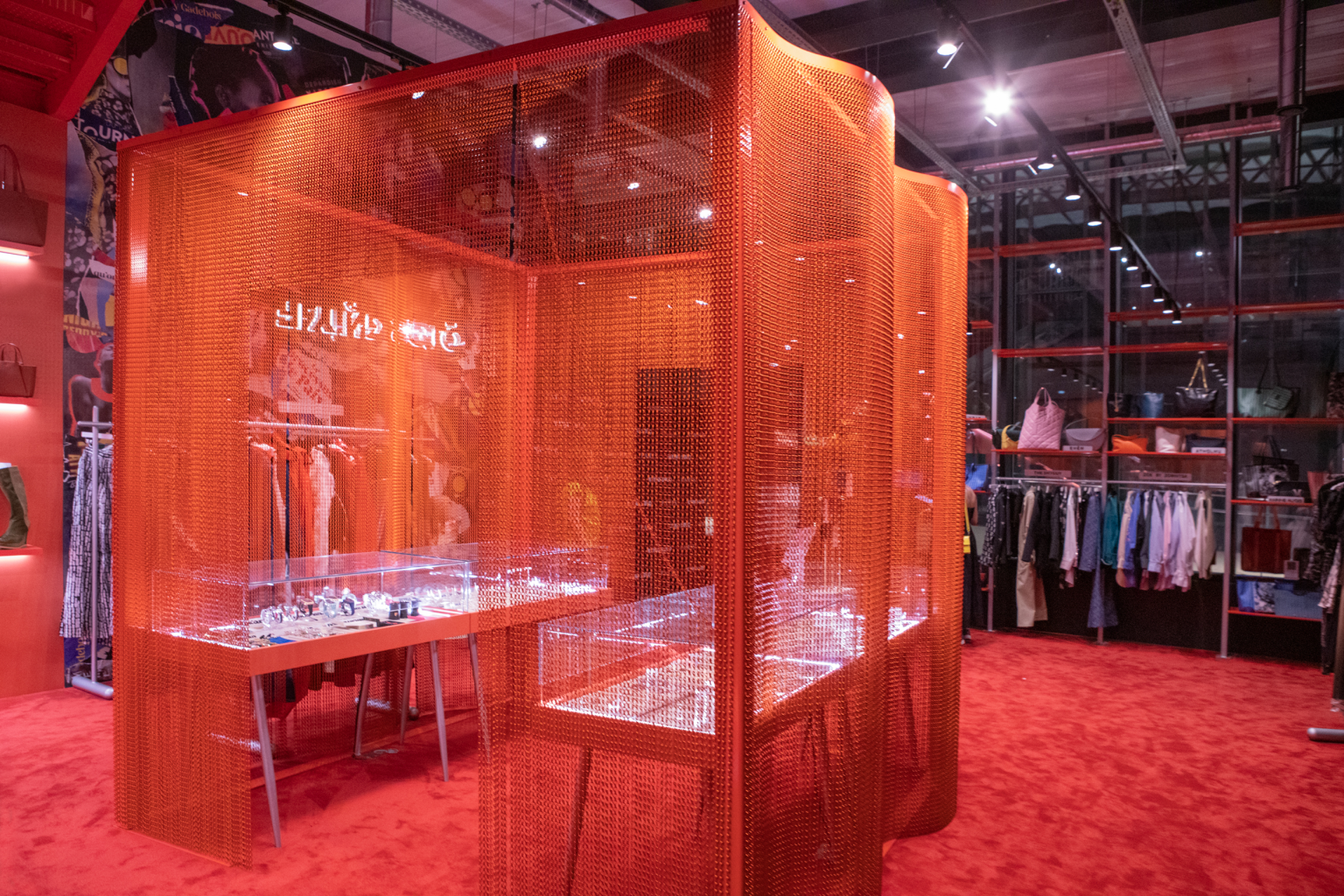
Flying Solo currently represents over 200 brands. Typically, one in four shoe brands and six out of eleven bag brands are vegan. While designers promote their labels individually, Flying Solo provides retail space and organises shows and events – initiatives that independent brands would often be unable to afford on their own.
‘Fashion shows aren’t as effective as they used to be, but they’re still major industry events,’ says Bayr. These events gather business professionals, celebrities, and influencers – exactly the kind of people a brand needs for visibility. ‘The fashion show isn’t the tool itself – but it’s one of the tools that helps, especially younger brands.’
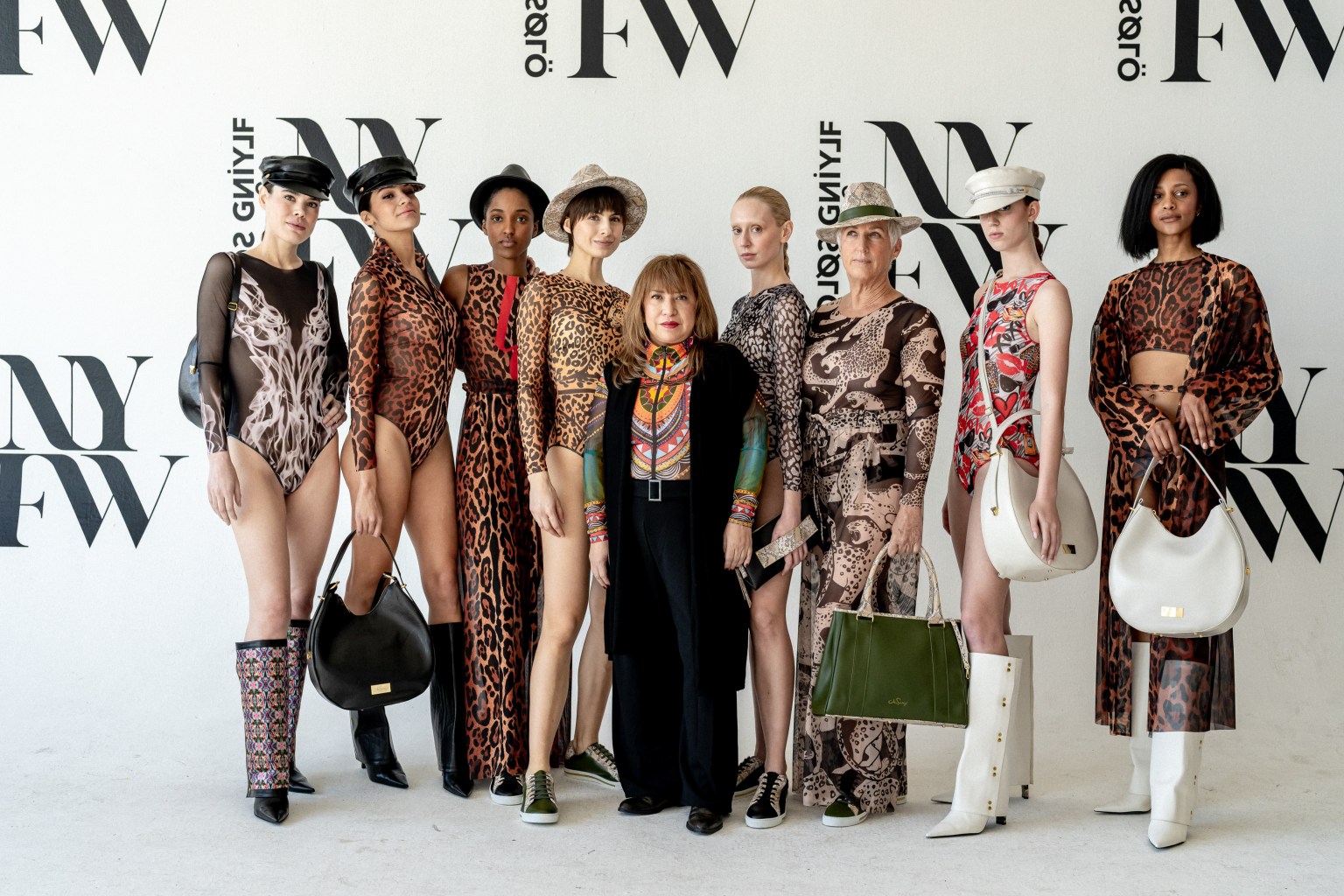
To showcase with Flying Solo, a brand must apply and be selected. The current participation fee is USD 5,900 for apparel and USD 3,900 for accessories, with a minimum of eight looks or items – a fraction of the typical cost of a solo showcase, which rarely falls below USD 200,000. During New York Fashion Week Autumn/Winter 2025–26, vegan brand Anne Schollenberger presented its collection to industry professionals from New York and beyond, brought together by Flying Solo as part of the largest fashion week on the western side of the Atlantic.
For independent fashion brands, it’s all about getting in – and staying in – the system, an endeavour that requires substantial resources and yet offers little guarantee of return. But what business truly does? In the end, when it comes to giving it your all and living your most epic life – full of both sincere pain and pure joy – fashion rarely disappoints.
About Bayr Ubushi

Bayr Ubushi is Head of PR at Flying Solo, where he has worked since 2017.
He leads the development and execution of public relations strategies for the largest platform for independent designers in the US. With deep knowledge and passion for the fashion industry, Bayr collaborates closely with stylists, photographers, editors, and internal teams. Bayr is known for his strong leadership, communication, and organisational skills.