


Fashion has always been a global language, but TRANOÏ Tokyo gives it a stage unlike any other. On September 3–4, 2025, the Yoyogi National Stadium – a modernist icon in the heart of Shibuya – hosted the third edition of TRANOÏ Tokyo, bringing together designers, buyers, media, and distributors from across continents. More than just a trade show, this was a curated encounter with fashion’s future, where Japanese creativity met international innovation.
Founded in 1991, TRANOÏ has established itself as one of the key B2B platforms in the fashion industry, organising international events that connect emerging designers and established brands with the broader ecosystem. From its flagship shows in Paris to its Tokyo counterpart and the TRANOÏ Showcase format, the organisation continues to provide a bridge between creativity and commerce. Now part of the Creative Pole – the GL events division uniting 18 trade shows, including Première Vision and Fashion Source – TRANOÏ embodies a vision of fashion that is collaborative, cross-cultural, and future-oriented.
The September edition marked the one-year anniversary of TRANOÏ Tokyo. With 250 brands and designers from Japan and around the world, it cemented its reputation as Asia’s must-attend fashion event, blending heritage with innovation, and offered a fashion experience that went far beyond traditional trade shows, with vegan and sustainable designers also taking the spotlight.
The Vegan Vanguard
Only a few 100% vegan labels were present at TRANOÏ Tokyo, yet they offered compelling examples of how non-animal materials, innovative design, and responsible production are gradually finding their place on the international fashion stage. These brands demonstrated that ethical practices can coexist with creativity and style, offering products that are thoughtful, playful, and aesthetically engaging. From bold, message-driven apparel to sustainable and adaptable accessories, the vegan offerings added a subtle but meaningful layer to the overall event, hinting at the slow but steady integration of cruelty-free fashion into the broader design conversation.
Vegan Tiger – Artful Activism


South Korea’s Vegan Tiger stands out for its playful yet thoughtful approach to cruelty-free fashion. Their designs mix bold colors, innovative materials, and original artworks, creating pieces that are visually striking while carrying subtle messages about animal welfare and environmental protection. During our conversation with the Creative Director of the brand, she explained that some messages – like prints of jellyfish in the ocean – are intentionally hidden, as mainstream fashion may not readily accept activism on the surface. Prints of jellyfish in the ocean, for example, are metaphors for the fight against pollution and animal cruelty, subtle enough to slip past mainstream fashion’s resistance to overt activism.
Beyond storytelling, the brand prioritizes sustainable, non-animal materials, such as Hanji (Korean paper) as an alternative to leather, and recycled fabrics that minimize environmental impact. Vegan Tiger also channels a portion of its proceeds to animal and environmental causes, reinforcing its commitment to ethical consumption while pushing creative boundaries.
MATERGEA – From Earth’s Wisdom to Modern Fashion

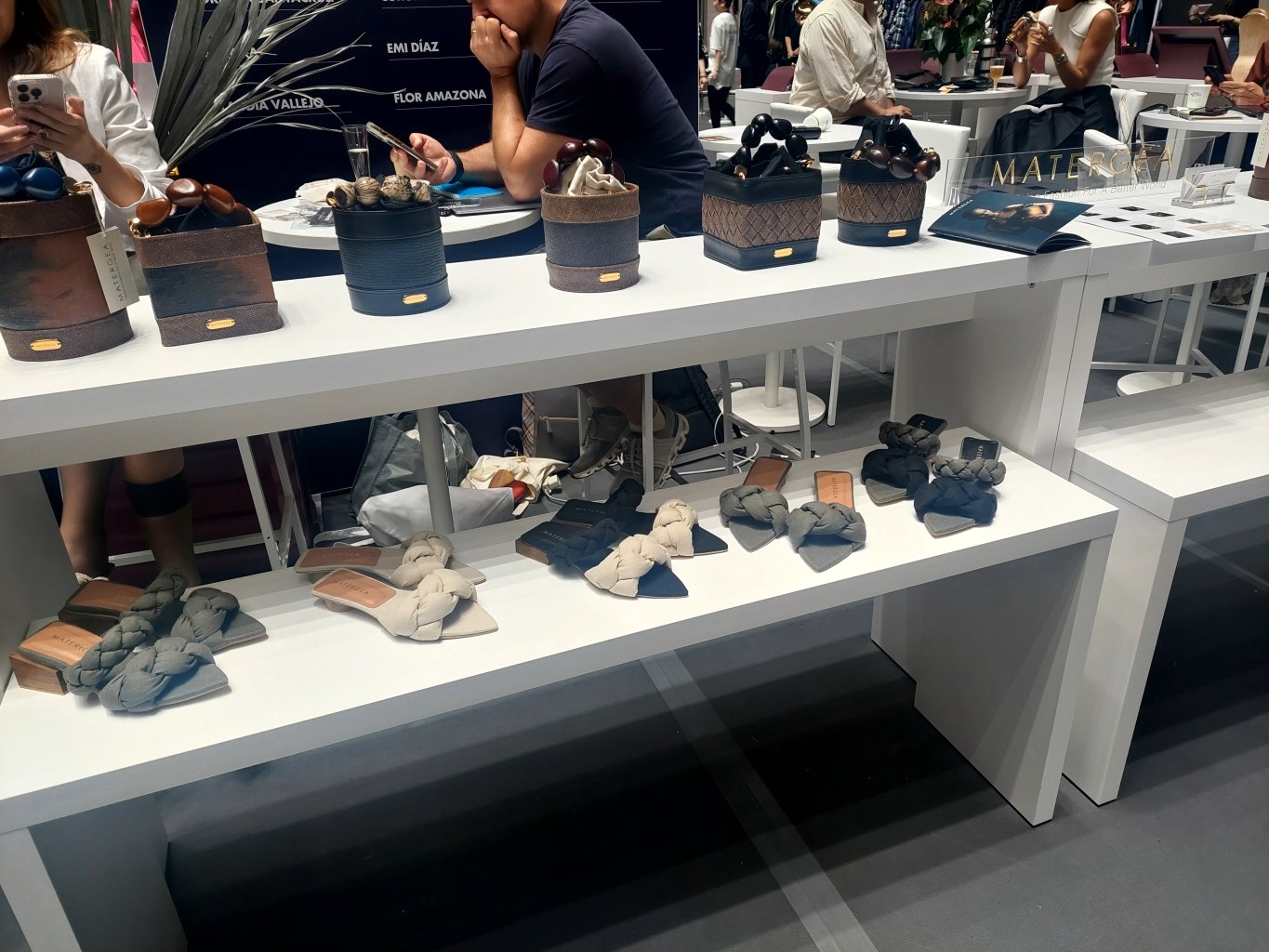
From Colombia, MATERGEA presented a vision of slow fashion rooted in both innovation and tradition. Working closely with artisans in Bogotá, the brand crafts handbags and footwear from plant-based leathers made of cactus, banana crop waste, and even coffee and avocado byproducts, alongside hemp, organic cotton, bamboo, and recycled materials.
Bag handles made of tagua, known as “vegetable ivory,” reflect their commitment to natural, renewable resources, while each piece is handmade in their atelier, honoring the time and skill of local craftsmanship. Inspired by nature and guided by the principles of sustainability and respect for the Earth, MATERGEA balances high-quality artisanal techniques with cutting-edge material innovation, showing how tradition and modernity can coexist in cruelty-free fashion.
PLEATSMAMA – Pleats That Adapt, Sustainably


PLEATSMAMA combines versatility with sustainability in their signature pleated knit bags. Each bag is designed to expand and contract, adapting to the wearer’s needs while maintaining a clean, structured look. What makes them remarkable is the brand’s pioneering approach to material innovation: their pleats are made from 100% eco-friendly sources, including recycled PET bottles, discarded fishing nets, marine plastics, and, more recently, bio-based fibers derived from corn.
The brand also places a strong emphasis on local recycling initiatives, from Seoul’s urban waste to Jeju Island’s ocean-bound plastics, showing how sustainable practices can be integrated into everyday fashion. The bags are lightweight yet durable, designed to retain their shape and functionality over time, reflecting PLEATSMAMA’s commitment to creating products that are both practical and environmentally conscious.
Melissa – Plastic Reimagined

Brazilian footwear brand Melissa has been transforming plastic into high-fashion products since 1979. Known for their colorful jelly shoes and collaborations with designers like Jean-Paul Gaultier and Vivienne Westwood, Melissa demonstrates how material innovation can go hand in hand with sustainability.
The brand takes a full lifecycle approach, using recyclable Melflex® PVC, operating factories powered by renewable energy, and increasing the use of bio-based materials derived from sugarcane and vegetable oils. Melissa’s production processes prioritize long-term durability, reducing waste while offering accessible, fashionable footwear that is 100% vegan and cruelty-free.
Zaxy – Fun, Bright, and Cruelty-Free


Also from Brazil, Zaxy brings a more playful energy to the vegan footwear scene. With bright colors, soft materials, and a focus on comfort, Zaxy shoes are designed for women who want stylish, everyday vegan options. While less focused on activism, the brand maintains the same commitment to vegan, cruelty-free, and recyclable production as Melissa, showing that ethical fashion can also be accessible, fun, and wearable every day.
From Soil to Soul: Heritage Meets Responsibility
At this edition of TRANOÏ Tokyo, the focus on heritage and responsibility came through strongly. A few labels demonstrated how fashion can honor local traditions, support communities, and embrace conscious production—turning materials, craft, and storytelling into garments that carry both style and meaning.
Story Wear – Taiwan’s Zero-Waste Fashion Pioneer
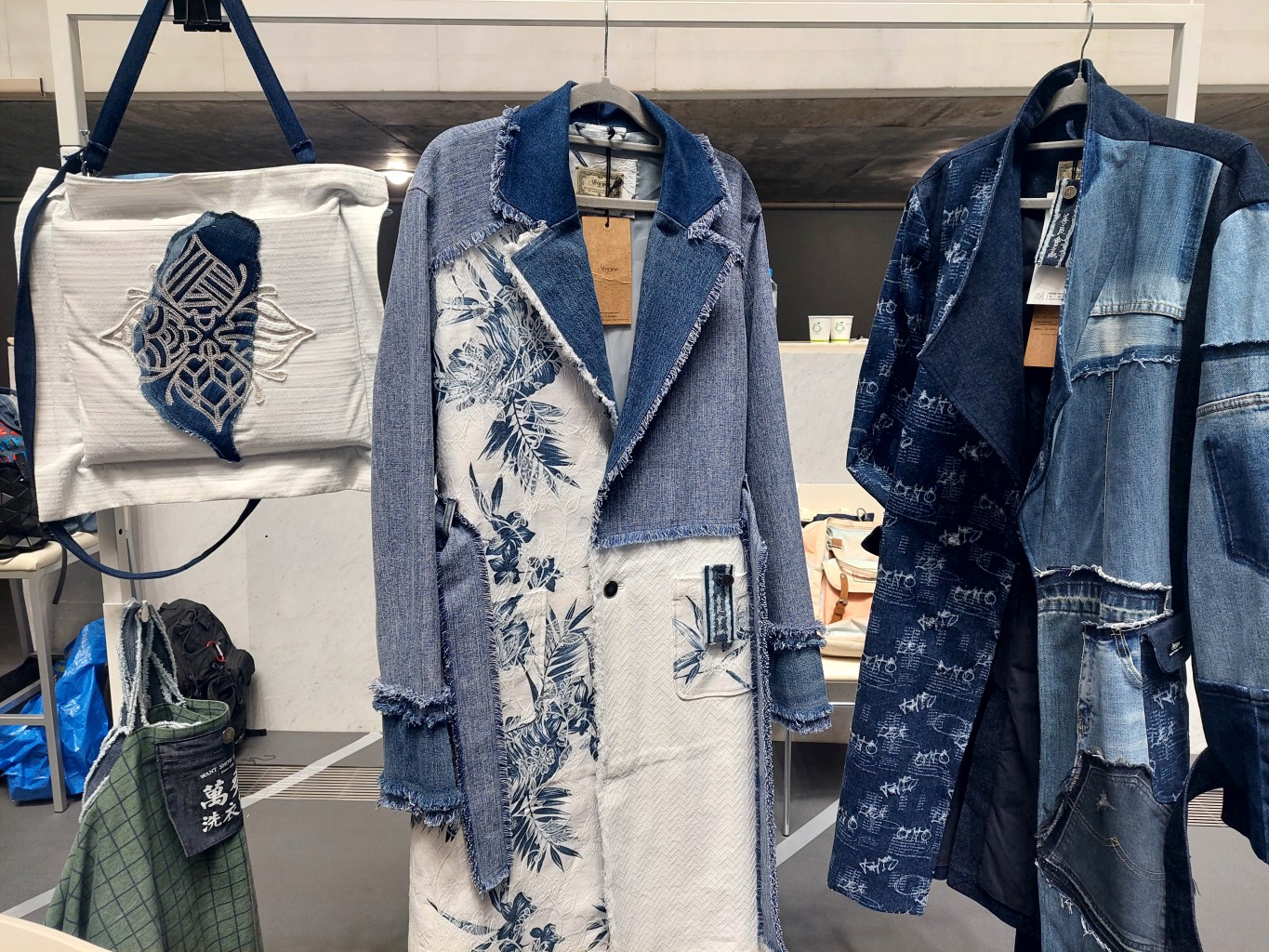
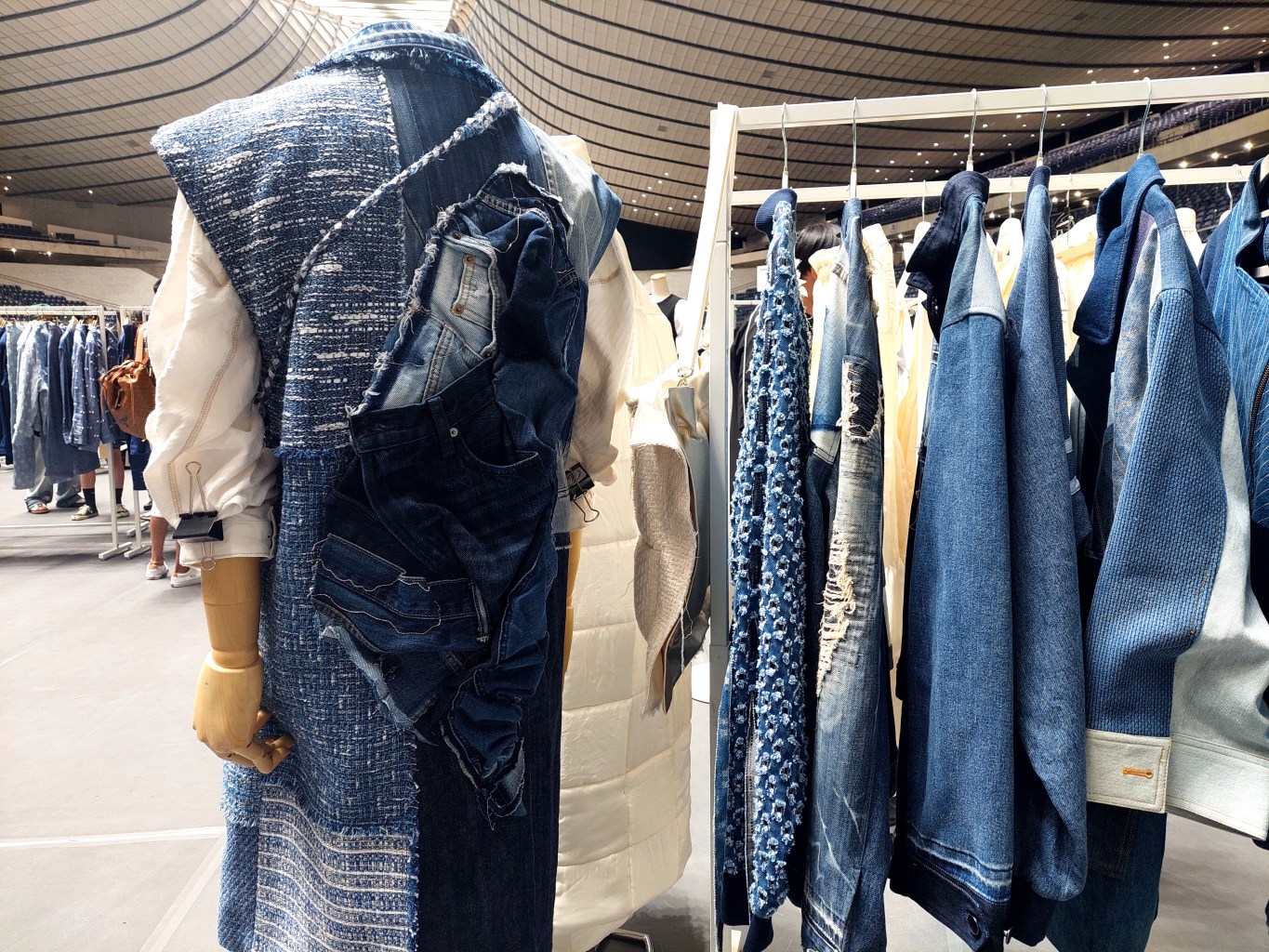
Story Wear produces clothing and accessories handmade from 100% recycled materials, with a strong focus on upcycled denim, by socially disadvantaged women. The brand emphasizes practical solutions for zero-waste fashion and collaborates with NGOs and local organizations to provide employment opportunities and promote social impact.
Collaborations with Levi’s and IKEA highlight their circular design approach, transforming stock jeans, uniforms, and leftover fabrics into fashion pieces, accessories, and runway looks. Their collections have been featured at Taipei Fashion Week and Tokyo Fashion Week, with the Tokyo collection also presented at TRANOÏ. Many designs are inspired by Taiwan, including pieces with embroidery in the shape of the island, reflecting local culture and craftsmanship.
Through these initiatives, Story Wear demonstrates how fashion can integrate sustainable production, social engagement, and cultural storytelling, reaching both local and international audiences.
Khanijo – Artisanal Heritage Reimagined


Founded in 2016 by Gaurav Khanijo in India, Khanijo combines artisanal craftsmanship with contemporary design. Each collection is handmade using revived weaving techniques, regional dyes, and ethically sourced materials such as hemp, bamboo, organic cotton, and Tencel.
The collection at the show was entirely vegan, but the brand also works with Peace Silk and certified wool, reflecting its ongoing commitment to sustainable materials, ethical production, and the preservation of India’s artisanal heritage.
From Thought to Thread
Imagination and intention intertwined in collections where every piece carried a story. Concept-driven fashion was at the heart of this showcase, transforming garments and accessories into expressions of personality and narrative.
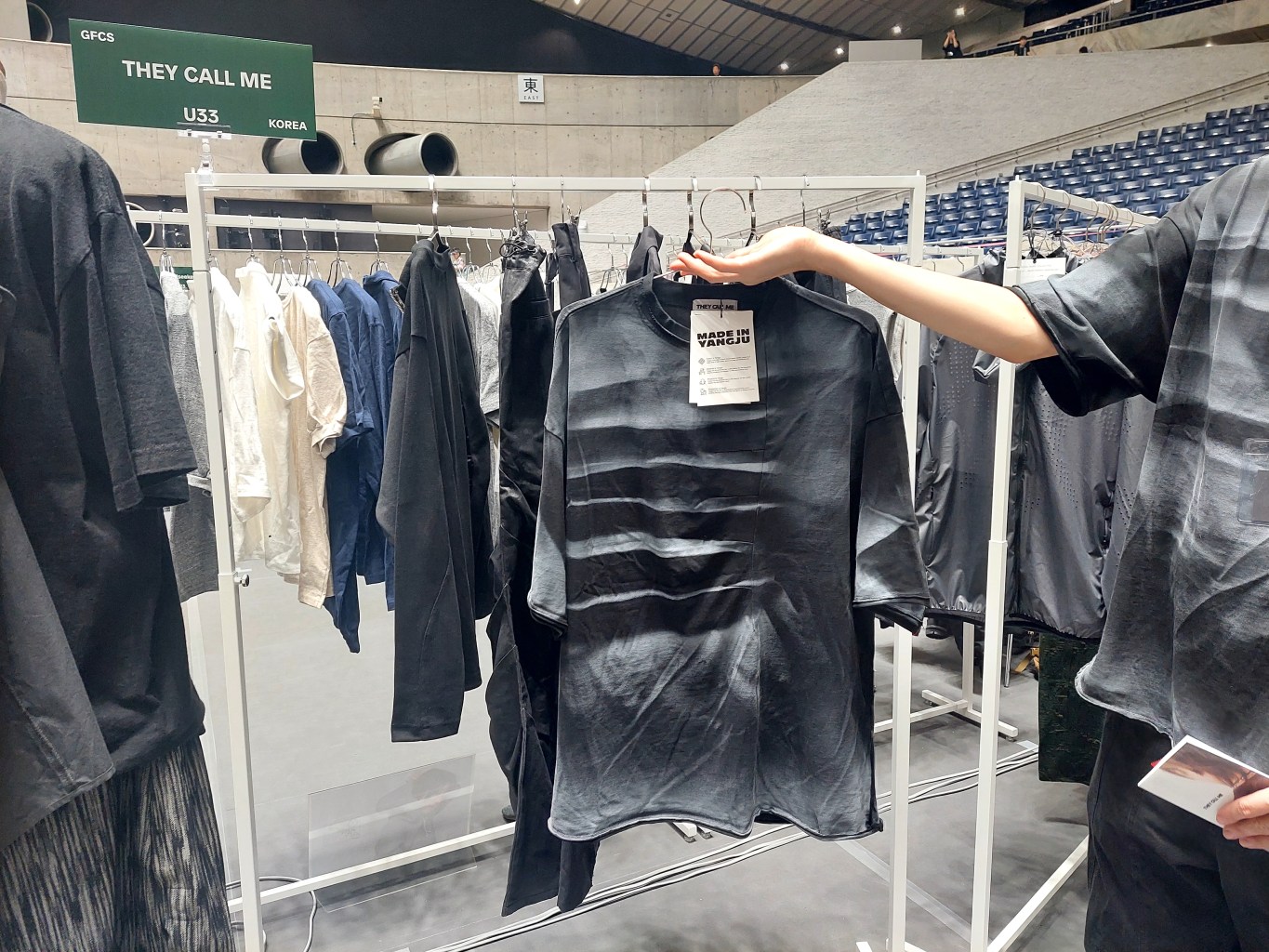
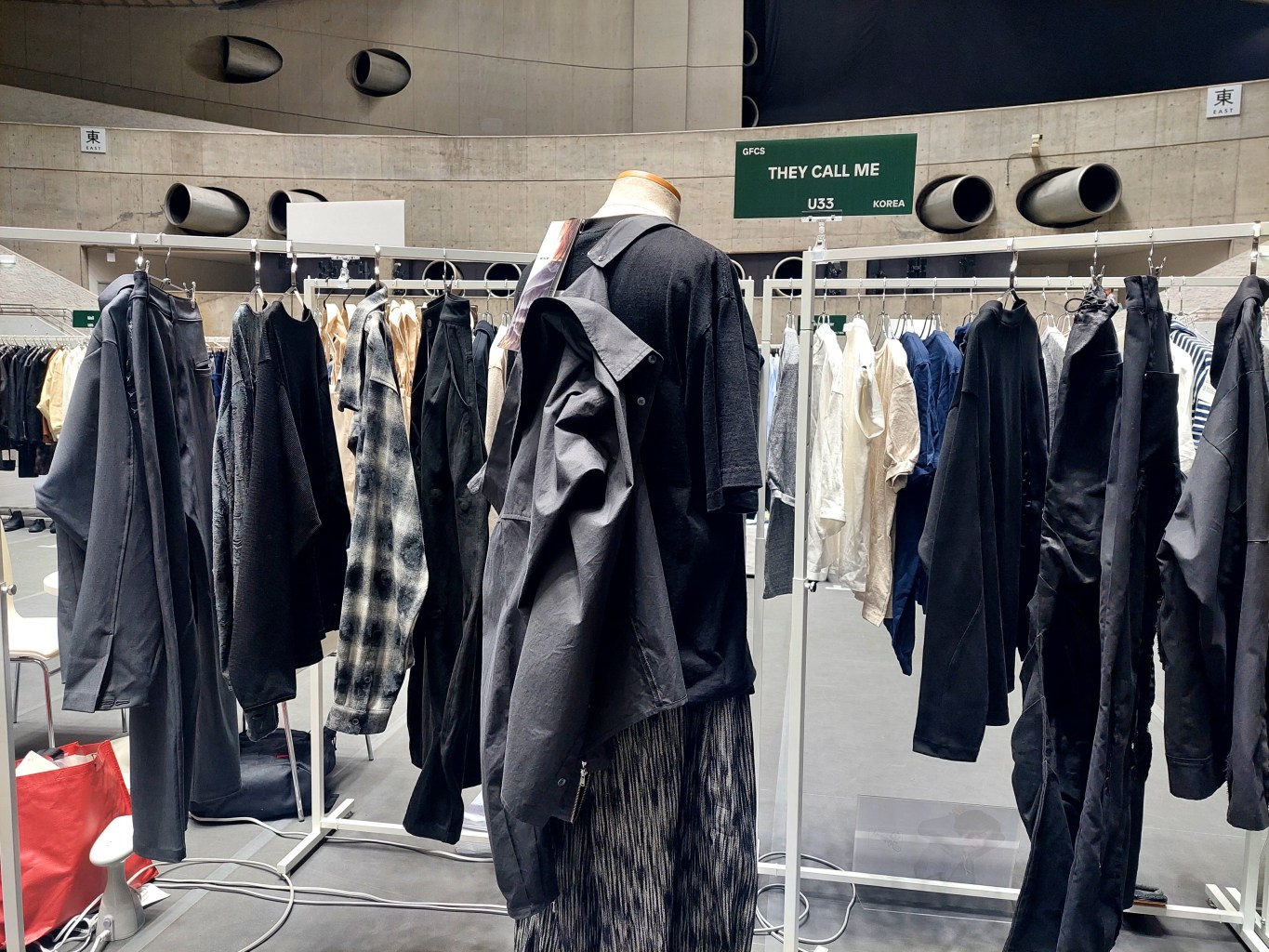

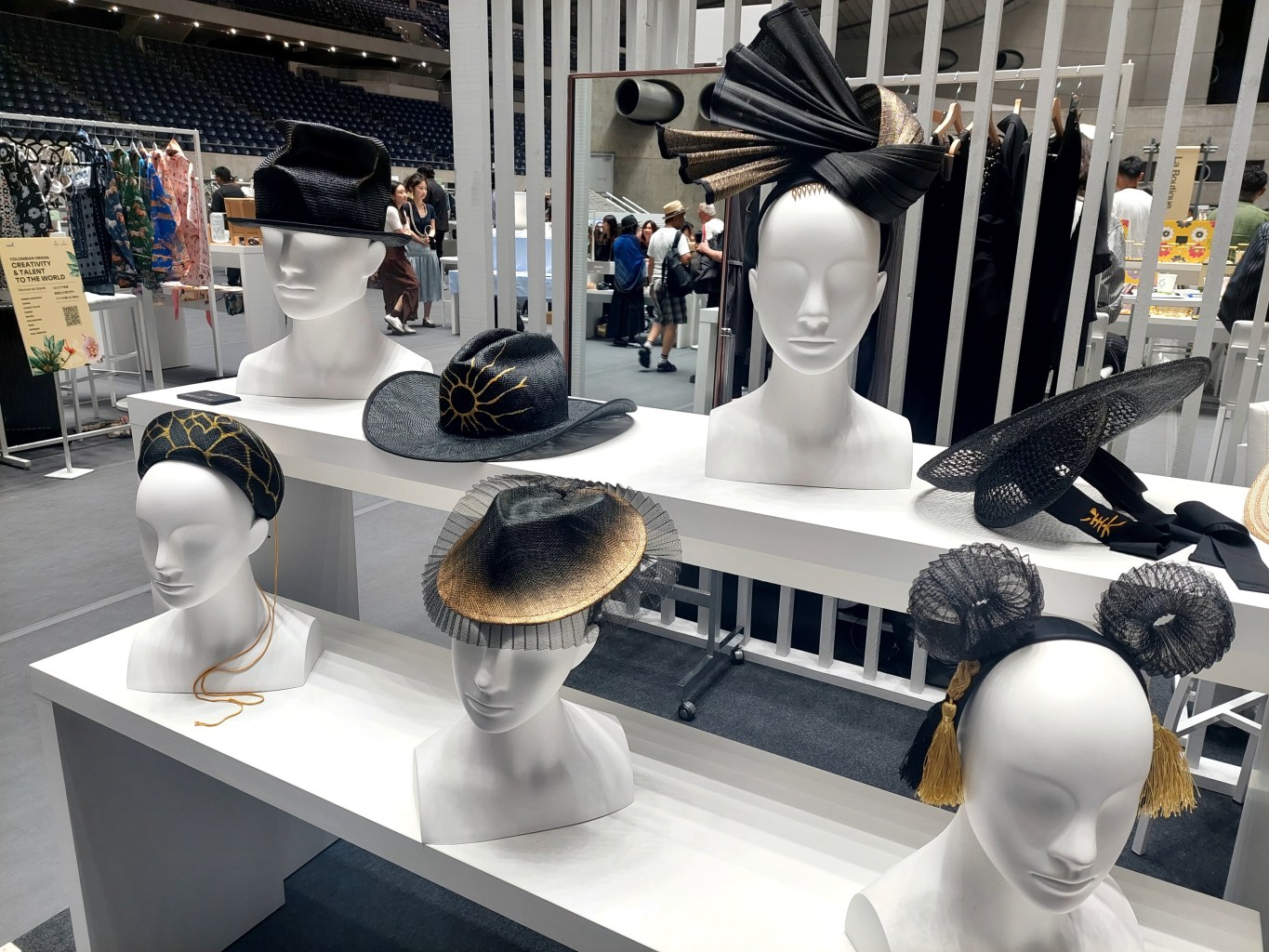
South Korea’s They Call Me presented a fully vegan collection, with materials such as faux leather used to create intricate streetwear designs. Romanian designer Corina, the mind behind DeCorina, presented a fully vegan summer collection of handmade hats, crafted mostly from plant-based materials like raffia. She emphasizes that hats can shape style and personality, and I tried several pieces myself to prove this—indeed, each one subtly changes the wearer’s expression, expression and conveying a distinct presence. Her work highlighted the importance of concept in fashion, where even a single accessory can tell a story and transform the wearer.
The Art of the Unconventional
Innovation and audacity were at the heart of collections that redefined what fashion can do. Designers explored clothing not just as body adornment, but rather a medium for transformation, expression, and storytelling, blurring the line between garment and experience.
Chidori presented the “Transform Collection,” a playful and ingenious approach to fashion where silhouettes, colors, and even entire garments can shift with a single touch. A wrap skirt becomes a flared skirt, a hidden fabric unfolds into a layered dress, and a detachable hood converts into a bag. Each piece is crafted from high-quality Japanese materials and tailored by skilled artisans, combining beauty, functionality, and innovation. The collection at the show was vegan, emphasizing the transformative potential of design while maintaining ethical considerations.

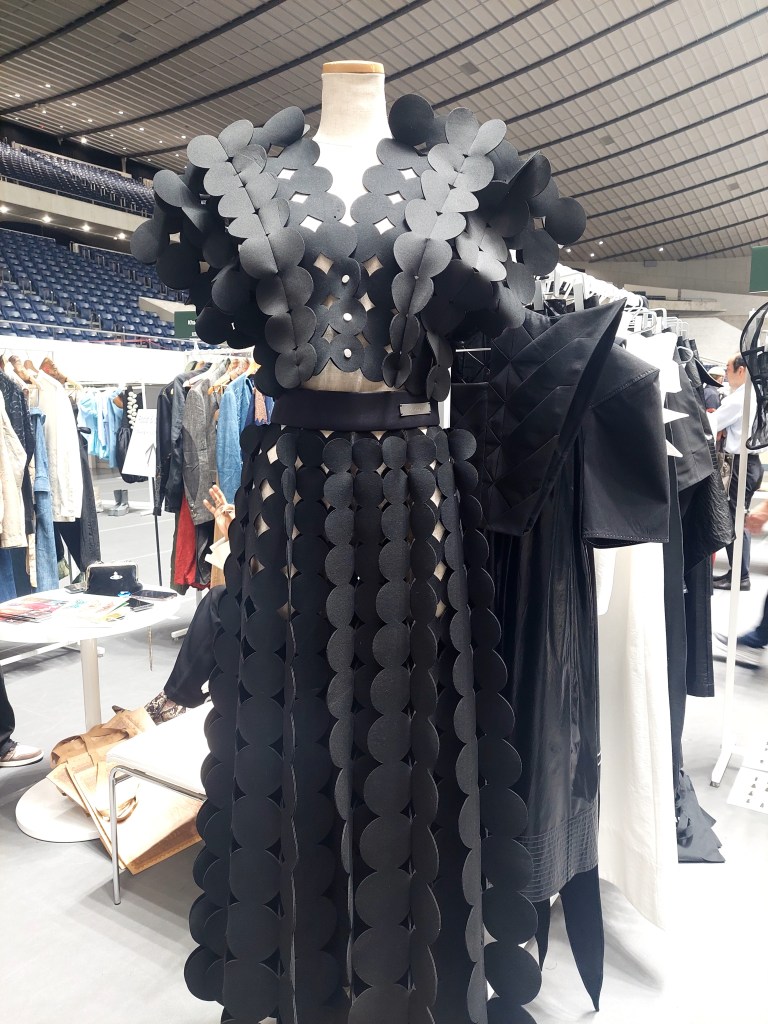
A-Jane brought avant-garde principles inspired by experimental music into wearable fashion. The collection presented at the show was mostly vegan, with occasional silk, but as the company representative stated, they are actively moving toward more sustainable materials like Tencel. Through these pieces, A-Jane challenges conventional forms and invites wearers to express individuality and creativity.
Tradition Meets Transformation
TRANOÏ Tokyo celebrated the dialogue between heritage and innovation, showing how fashion can honor culture and artisanal craft while exploring new forms, shapes, and sustainable practices. From handmade, plant-based hats to transformative garments that shift with a touch, designers balanced respect for materials and craftsmanship with forward-thinking creativity. Vegan brands stood out as examples of how ethical, cruelty-free fashion can be expressive, playful, and culturally rooted, proving that sustainability and artistry can coexist seamlessly.
The show highlighted that fashion is not only about aesthetics, but also about storytelling, responsibility, and experimentation. By bridging cultural roots with futuristic visions, TRANOÏ Tokyo reminded us that the future of fashion lies in thoughtful, innovative creations that celebrate individuality, respect the planet, and embrace new possibilities.
The next edition of TRANOÏ Tokyo will be held on 18–19 March 2026.

