
Annick Ireland and Simon Bell launched Immaculate Vegan in 2019 – a milestone both for them and for the vegan fashion industry. By combining Ireland’s marketing expertise with Bell’s e-commerce background, they have turned Immaculate Vegan into a go-to destination for anyone interested in buying better – vegans and non-vegans alike.
‘Fashion is about identity and self-expression and having things that make you feel amazing. We don’t just want to preach to the converted, but rather to everyone looking for premium vegan fashion without feeling like they’re being judged,’ says Ireland.
The ultimate idea? To inspire people to choose a vegan piece wholeheartedly – not for the mere sake of it being vegan, but for its design, quality, and the way it is presented, doing justice to both.
The past few years have seen a compelling rise in vegan fashion. Brands choosing to produce with vegan materials now have far more innovative options, which have also become more accessible and affordable. These range from plant-based leathers with higher biomass and lower plastic content – expanding from apple and corn to olive and bamboo, to name just a few – to an entirely new generation of plastic-free alternatives, such as Mirum™, made from mycelium, and Elevate™, made from plant-based proteins.
Accessories aside – shoes alone account for over 50% of Immaculate Vegan’s sales – there is also vegan clothing made from organic cotton and linen. There is vegan menswear too, something that barely existed five years ago and has since become a recognised category, spanning both clothing and accessories. ‘These are already great brands; we just need to tell their stories well,’ says Ireland.
NO SHOE FITS ALL
Good storytelling goes beyond mere marketing. Many vegan brands fall into the trap of focusing on the vegan narrative instead of – or at the cost of – design, sometimes paying the ultimate price of folding. ‘You can’t fool people into buying your stuff just because it’s vegan,’ says Ireland. Vegan brands that thrive always stand out for their design, making them instantly recognisable – and resonating with the very audience they target.
‘The product has to be able to sell itself on the quality and the design. If you haven’t got it, hire a good designer,’ says Ireland.
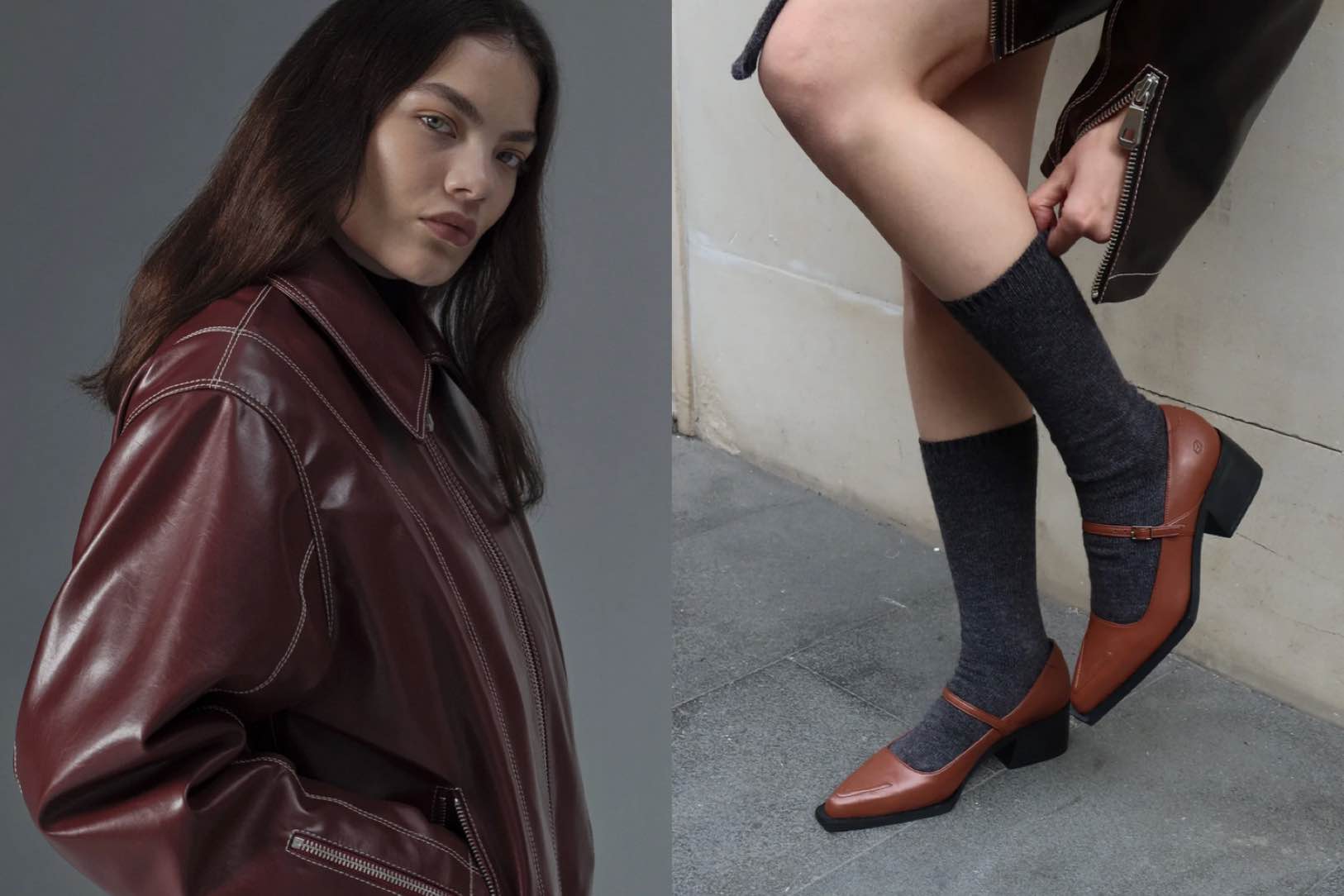
For any fashion brand – big or small, backed or independent – maintaining a unique character is key. ‘You’ve got to have clarity in a brand; that’s where people start really understanding you.’ That means no ambiguity, no one-size-fits-all policy. One of Immaculate Vegan’s best-selling brands, Minuit Sur Terre, was founded by Marie Viard-Klein, who built her impressive business straight out of college with no industry experience. Yet what she does is so unique that it secures her a strong position in an otherwise crowded market. ‘It looks different, and you can quickly say this is a pair of Minuit Sur Terre shoes straight away.’
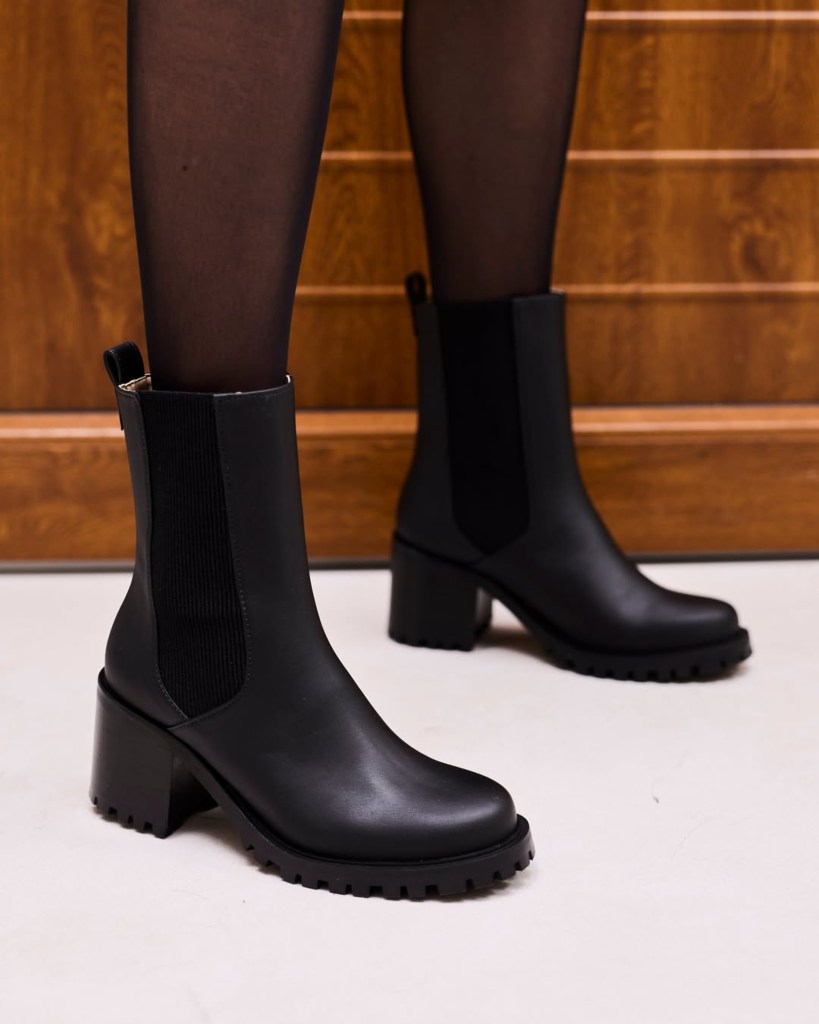
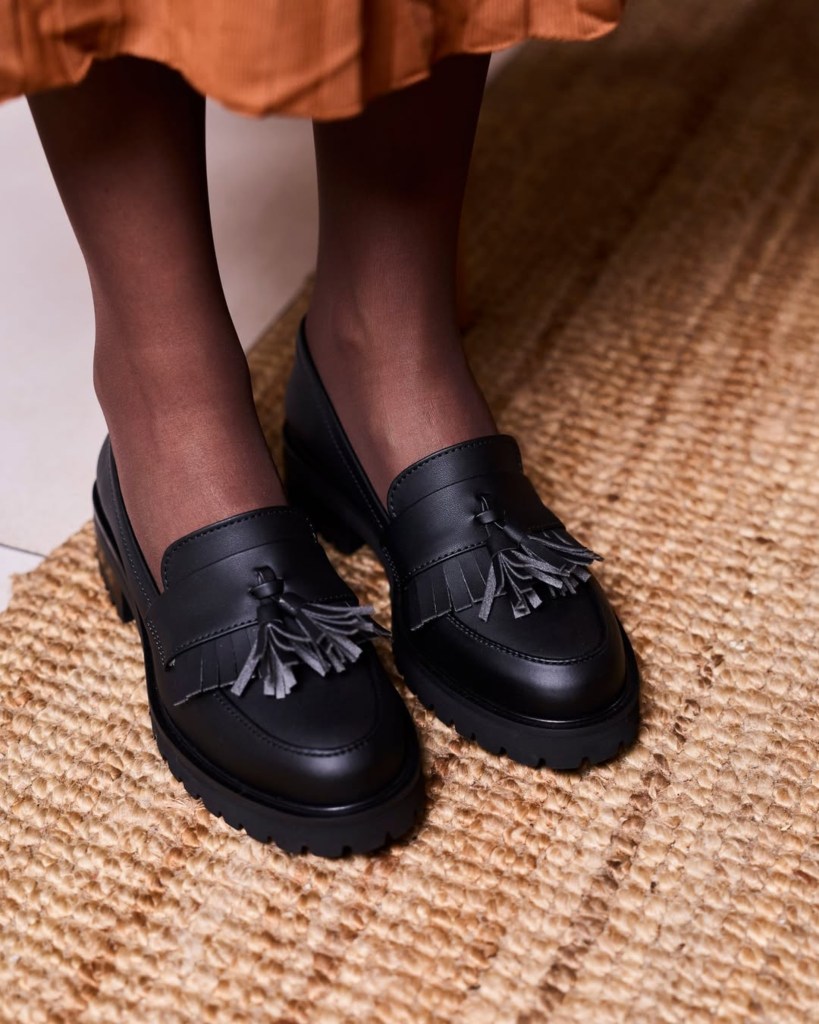
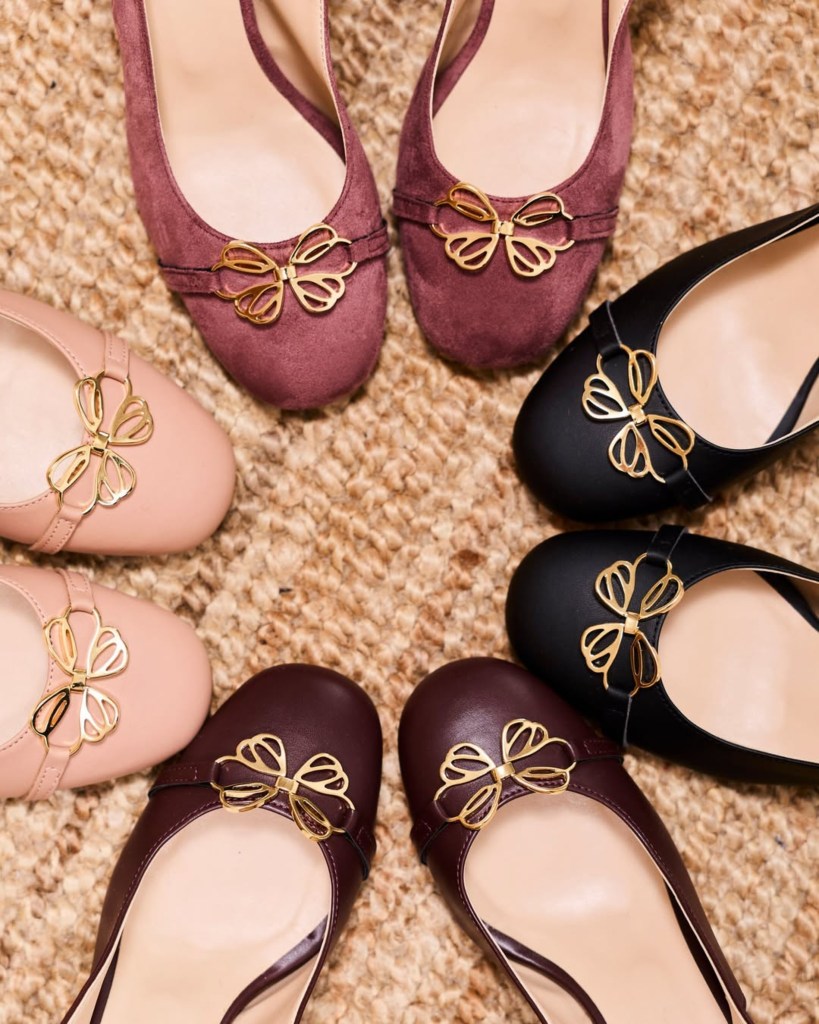
‘Not everyone has to like it and that’s fine, but you’ve got to know what your audience wants,’ says Ireland and recalls Frida Rome to emphasise how maintaining a consistent brand image extends from the product itself to its presentation – including photography. ‘It’s unique and edgy and different – no one else is doing a bag like that, and their whole brand image is completely aligned in terms of their photography and how they speak about themselves.’
Photography is one of many crucial things she finds herself advising brands on. ‘We tell brands the kind of photography that will sell their product – from obvious things like making sure your product can be seen clearly without any glare.’ Lifestyle pictures help, but some brands go overly artistic to the point that the product becomes barely visible. ‘We’re always thinking about how something is going to look on screen in front of someone – that’s what makes people actually buy,’ says Ireland.
‘This is what luxury does really well – the photography,’ says Ireland. Most marketing efforts come down to packaging – both literal and image-wise – which is designed to evoke desire. ‘A lot of vegan brands do have good products already but not the whole wrapper around it,’ she adds. ‘We’re trying to make people see and want all of those things, and then go, oh, they’re vegan!’
Proper labelling and packaging are not just about appearance, though. They are also crucial for navigating cross-border sales, tariffs, and taxes, as Immaculate Vegan sells to and from over 30 countries worldwide. For many brands, it serves as a primary international marketplace beyond their home country. For customers, it’s often the first place they encounter products like Miomojo’s travel bag made from rice leather, or Bohema’s grape leather clogs made by artisans at the foothills of the Carpathian Mountains.
Then there are proper sizing guides – or any sizing guides at all – and the long list of information a brand needs to provide in order to sell a product. ‘There are a lot of things in a small business that you just have to do yourself because you can’t afford to hire people,’ Ireland says. With her strong marketing background and experience, she still encounters new challenges with every policy change and is deeply supportive of brands trying to navigate the same, as most vegan fashion brands have been founded either by product designers or by people passionate about running a brand but without marketing or financial experience. ‘We want them to do well. We’ve got to work together for exactly the same goal,’ says Ireland.
SAME INDUSTRY, DIFFERENT STANDARDS
Talking about goals, furthering the animal welfare cause cannot be separated from environmental concerns – a policy that requires as much dedication as it does clear rules, given how words like ethics and sustainability have been overused to the point of losing their meaning.
‘We all love fashion, but we hate a lot about the fashion industry. It doesn’t have to be like that – with huge amounts of rubbish everywhere or making people poor by making them buy stuff all the time. We’re trying to inform people as well as inspire products as well.’
How does a brand go about selling on Immaculate Vegan? First of all, no animal component or animal exploitation of any kind is a non-negotiable criterion for inclusion. ‘Any product we sell has to be 100% vegan. That doesn’t mean we can’t work with brands that aren’t vegan – but a brand must have a vegan collection that’s really significant,’ says Ireland.
The sustainability criteria encompass two pillars: materials and manufacturing. ‘Sustainability isn’t a binary thing – it’s a continuum. We don’t expect brands to be perfect – but we really ask them to do the best they possibly can – and that’s often still very different from mainstream brands,’ says Ireland.
For leather alternatives, this includes plant-based leathers (‘they’re not perfect – most still have some level of plastic in them, but they’re getting better and brands are constantly looking for ways to reduce plastics’), plastic-free leathers, PU manufactured in the EU (given the EU’s stringent production standards), and only recycled PVC from brands the team at Immaculate Vegan ‘really love.’ For clothing, it means using organic and certified cotton or linen; if synthetics are involved, they must be recycled. Packaging must also consist solely of recyclable or recycled materials, depending on the product category.

In manufacturing, ‘doing the best one possibly can’ means being able to tell the story of how products are made – something impossible if they come from massive factories on the other side of the world. Small workshops, regular brand visits, and technologies such as solar power or other regenerative, low-impact systems must back up any sustainability claims.
Human welfare is another essential issue – and it begins with everyone in the supply chain being paid a living wage. ‘We’re not certifying factories – that’s not our job – but it’s not actually that hard to find out,’ says Ireland.
And once a brand meets these requirements, the product quality is next. ‘We’re a premium retailer. There’s a quality aspect – it has to last a long time, so we can’t have something that falls apart instantly or isn’t up to standard,’ says Ireland. Maintaining an average rating of 4.6–5 on Trustpilot means offering only products that have been tried and tested by the in-house team before being included. ‘It’s really rare, but we’ve had to turn down a brand after actually trying their products,’ Ireland admits.
The responsibility is doubled, as Immaculate Vegan stands not just for its own reputation but also for that of vegan fashion in general. ‘You’re not going to change people’s perception about vegan fashion if you tell them it’s good quality and it turns out to be rubbish,’ says Ireland.
OPTIMISTIC FORECASTS, HARSH REALITY
Keeping a high bar for what is promoted as vegan fashion is particularly essential, especially in recent years, as the vegan message has been experiencing ‘a bit of a backlash’. Blame it on excessive greenwashing, celebrities jumping in and out of vegan diets, or rising living costs that make people less willing to buy new things and retreat to what feels familiar – but brands are shutting down, while others struggle to stay afloat if veganism is the only pillar they have built their brand upon. ‘It’s an incredibly tough time to be a small business; there’s hardly any funding available. If you’re a consumer business, it’s all going into AI.’
On the other hand, market forecasts for vegan fashion continue to indicate strong growth, with a projected CAGR of 7.6%, according to Market Research Future™, or even 12.1%, according to Future Market Insight , for the period 2025–2035. ‘We also track a lot through SEO, and search terms have been steadily going up. There are way more people searching for vegan things than there are vegans.’
‘There are people out there who want something new and exciting and want to tell their friends – you know, when they say “I love your bag!” and you can reply “It’s made from cactus leather.” It’s quite a cool thing to say for someone who loves fashion, right?’ says Ireland.
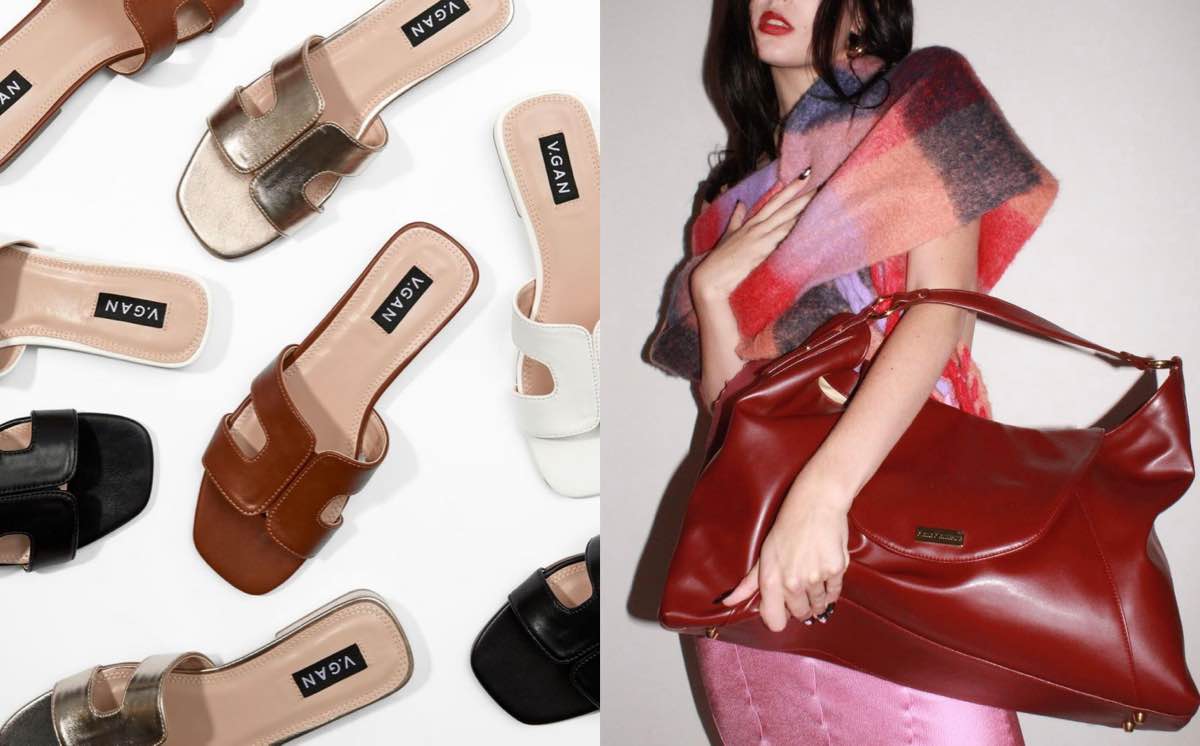
This resonates particularly well given the disappointment with luxury – from creative stagnation and labour abuses to the celebrity culture shared by both luxury and fast fashion, the latter glaringly visible during the recent SS26 fashion month.
‘The whole point about luxury is it’s supposed to be made from precious materials in a very artisan way by skilled people. Well, apple leather is pretty unique, and if it’s being made into an item in a workshop in the hills of Italy, then the vegan brands are already doing luxury,’ says Ireland.
The double-digit growth predictions may indeed relate to the tangible expansion of the leather-alternative sector, which is now extending into the automotive and home sectors too – where vegan leather alternatives must pass the most rigorous tests for durability, abrasion, and even toxicity.
‘I think the big opportunity is around the kind of consumer who isn’t vegan, but is really interested in choosing better,’ says Ireland. ‘There’s a big growth in people who are seeing climate change happening in front of them and they do want to do something about it. If you can show them that they can do something about it – that there are fantastic alternatives and they don’t need to compromise at all on having things that look great and make them feel great – I think that’s a genuine opportunity.’
A BETTER WAY TO DO FASHION
According to Ireland, for a consumer, building a better wardrobe starts with getting to know one’s own style and needs first, then choosing better materials. ‘Sustainability and longevity go hand in hand. Ask yourself what your core style is – what you wear most and will probably still be wearing in 5–10 years’ time – and what you simply couldn’t go without for everyday wear, even if there was no one else around to comment on it,’ says Ireland.
Once you’ve identified a capsule collection of what you wear most – whether that’s a T-shirt, jeans, a backpack and trainers, or a suit and court shoes – the next step is to buy the best quality you can afford. ‘If you buy high quality products, then you don’t need many of them,’ says Ireland. That’s precious advice from someone whose business model is, after all, based on selling fashion.
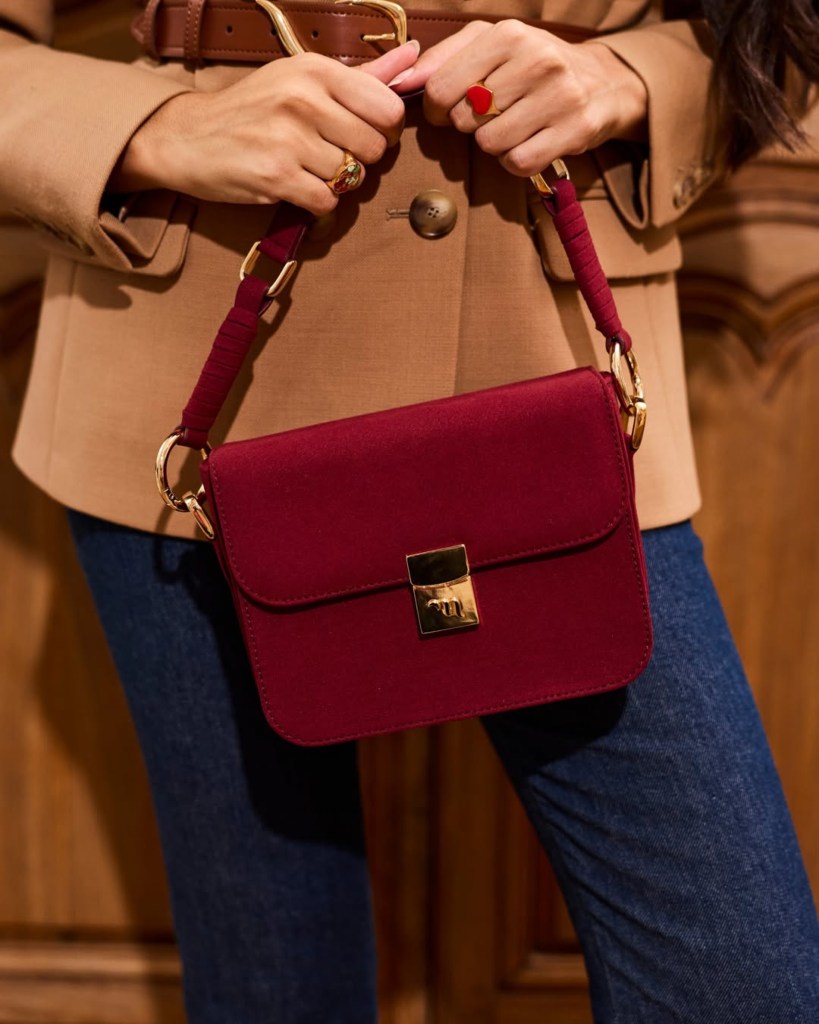

Ultimately, good vegan fashion – exciting in design, built to last, free from animal exploitation and with a low environmental impact – is one of the most effective ways to introduce people to veganism, and to more mindful consumption overall. ‘Fashion would be another great way into veganism alongside food. A lot of people find going vegan food-wise is too much for them – but actually, it’s really easy to buy a vegan bag, right? It’s no sacrifice at all.’
As humans, we need both a steady flow of raw, often unsettling information – which activism and documentaries provide – to open our eyes to the problems we face, and positive incentives – such as the promotion of transparent and traceable vegan fashion brands – to encourage better choices without falling into the cycle of fear and denial. Since reducing the use of all animal-based products – from meat and dairy to leather, fur, silk, and wool – has been shown to be key in preventing further deforestation, pollution, resource exploitation, and abuse (of both animals and humans), only a holistic approach to spreading the message – and putting it into practice – stands a real chance of driving meaningful change.
‘My personal opinion is the most effective thing we can do is to get all those messages out there together, because I think the more reasons people have to go vegan – and to stay vegan – the more likely they are to do that.’
***
All pictures: courtesy of Annick Ireland/Immaculate Vegan