
In the last few years, the fashion market has gone sour on anything labelled ‘sustainable’, and the narrative terms focused on responsibility, transparency, accountability and tangible impact are only as persuasive as the data and stories — the lived realities — behind them.
Shiringa — a bio-leather alternative — might be just the antidote. Its story spans from the deep Amazonian forest in Northern Peru to the busy capital city of Lima. It is here that Jorge Cajacuri, founder of Caxacori Studio, along with his team, successfully developed and introduced to the market an elevated and scalable version of traditional Peruvian craft — a material so supple and durable that it has found its following as a leather alternative at this precise moment in history, when both traditional craftsmanship and material innovation are finally being acknowledged as worthy of investment beyond a small circle of enthusiasts.

The Forest Chapter
For Cajacuri, however, this moment has been building since 2014. What began as a graduate thesis in Graphic Design at the Pontificia Universidad Católica del Perú soon developed into full-blown research into the impact of fashion on both the planet and its people. Amid the wider context of the post-Rana Plaza series exposing abuses in fashion’s supply chain, and closer to home, the Amazon’s rapid deforestation and illegal mining, Cajacuri searched for a solution — a material that could serve as an alternative to the resource-intensive ones that were — and still are — choking the current fashion system.
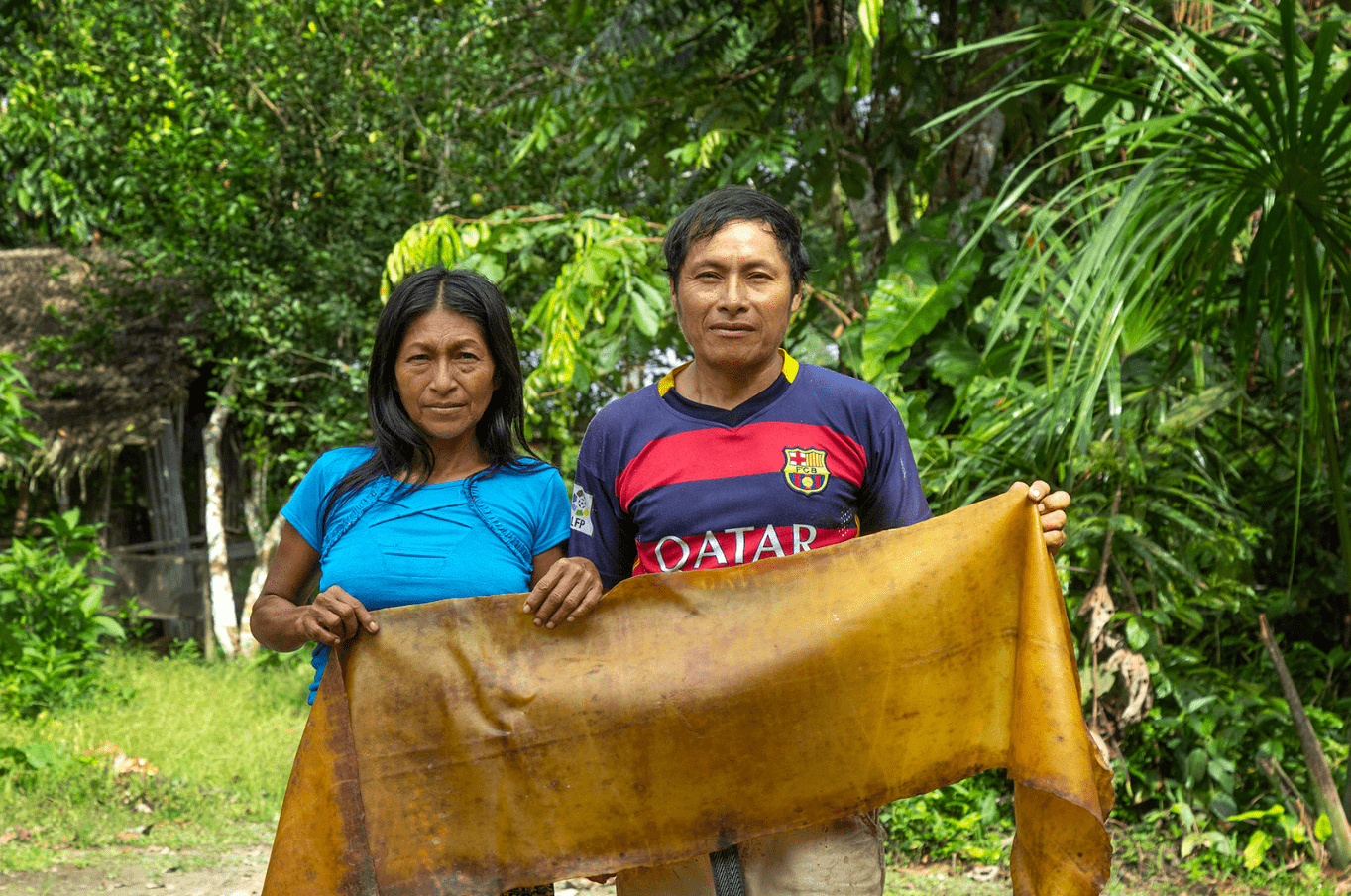
“That’s when I travelled to the Amazon rainforest and got to know Shiringa, the tree,” says Cajacuri. Over there, he continues, there are areas so dense that there is a Shiringa tree every few metres. “It’s abundance.” The Shiringa trees (Hevea brasiliensis) are over forty metres tall, with moss and lichen growing on them, and rich in sap — or latex — the very substance that has been used to craft materials for centuries and is now called bio-leather. The sap is collected by carving shallow lines through the bark, only in the amount needed to sustain the continued growth and life of the tree, which can span up to 100 years in the wild.


“What we are doing is about combining traditional wisdom and social impact with a material that is strong and increasingly improvable. I think we can carve out a space.”
Caxacori Studio’s innovative contribution to the traditional process is twofold, the first being the unprecedented sourcing scheme. The trees from which the sap is collected are wild — not plantation — trees, located in the homeland of the native Awajún families who have been living there and caring for these trees for generations. Caxacori Studio has established a three-partyscheme with the Peruvian government and the Awajún community in the form of a conservation agreement, under which income for the Awajún community is generated through the collection of sap and its processing into rubber in a way that does not damage the trees. The income amounts to up to 200% of the standard rate for rubber work in Peru.
“I think this project involves many people and can lift many out of poverty. It has a real impact,” says Cajacuri.



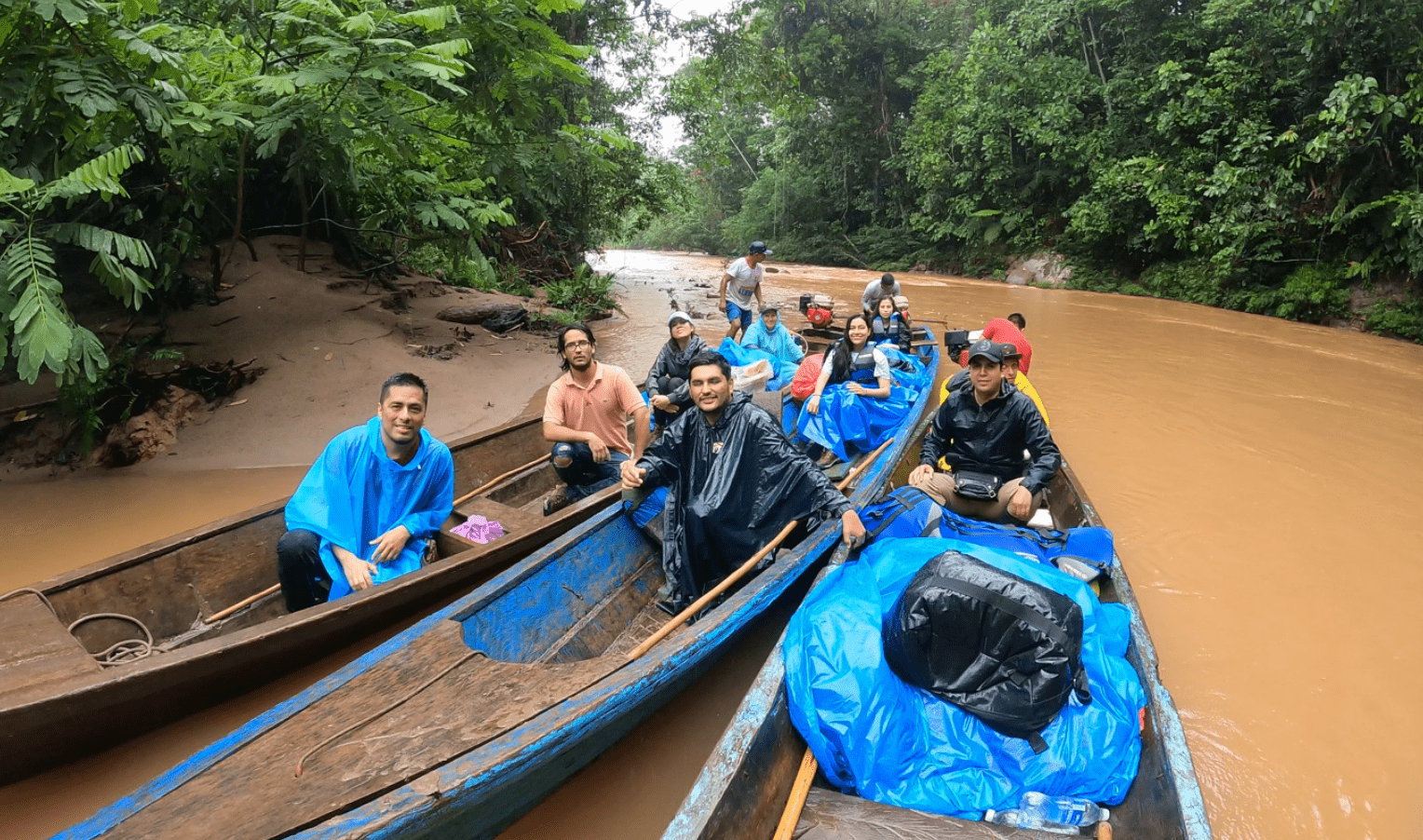

It took time to convince the entire chain of command — down to the park rangers — to believe in and act upon the vision. “That was something novel at the time; now there are more people doing it in other ways, but it was very novel in Peru.” But when it eventually took hold, it paid off beautifully.
At present, 59 Awajún families in the Tuntanain Communal Reserve in Northern Peru are involved in this conservation agreement. A communal reserve is a special status granted by the Peruvian government — another treat in the support package — that protects the area on the condition that, for as long as the local community can support itself economically, the land is officially protected from deforestation, mining and other destructive practices. This is of particular significance, as trees are being cut down right at the border of the reserve.
Translation: supporting Shiringa means enabling this community to protect its livelihood, homeland and, ultimately, the last remaining fragments of the Amazonian forest — dubbed, for obvious reasons that concern us all, the green lung of the world.
What happens, though, if demand grows beyond the current capacity? After all, there is only so much latex that can be harvested from one wild tree at a time.


“I think this project involves many people and can lift many out of poverty. It has a real impact.”
Jorge Cajacuri, Founder of Caxacori studio
“What we have to do is scale in families and hectares of forest. What we are doing right now is expanding to more native communities,” says Cajacuri. In 2025 alone, they added ten families to the programme in the Chayu Nain Communal Reserve. The projection is to reach 123 families in 2026.
“That’s the way to scale the impact — the impact of bio-leather in the jungle: more families, more forest to preserve.”
The ultimate goal? To expand the protection scheme beyond Peru. After all, Amazonia is a treasure Peru shares with other South American countries.
The City Chapter
Once collected, Caxacori Studio’s own ammonia-free formula is added on site to stabilise the latex and prevent coagulation during transport to the studio’s laboratory in Lima. “We don’t use ammonia — and couldn’t use it — because the reserves we work with, for example, do not allow chemicals to enter the jungle. It’s prohibited — even plastics cannot be brought in,” says Cajacuri.


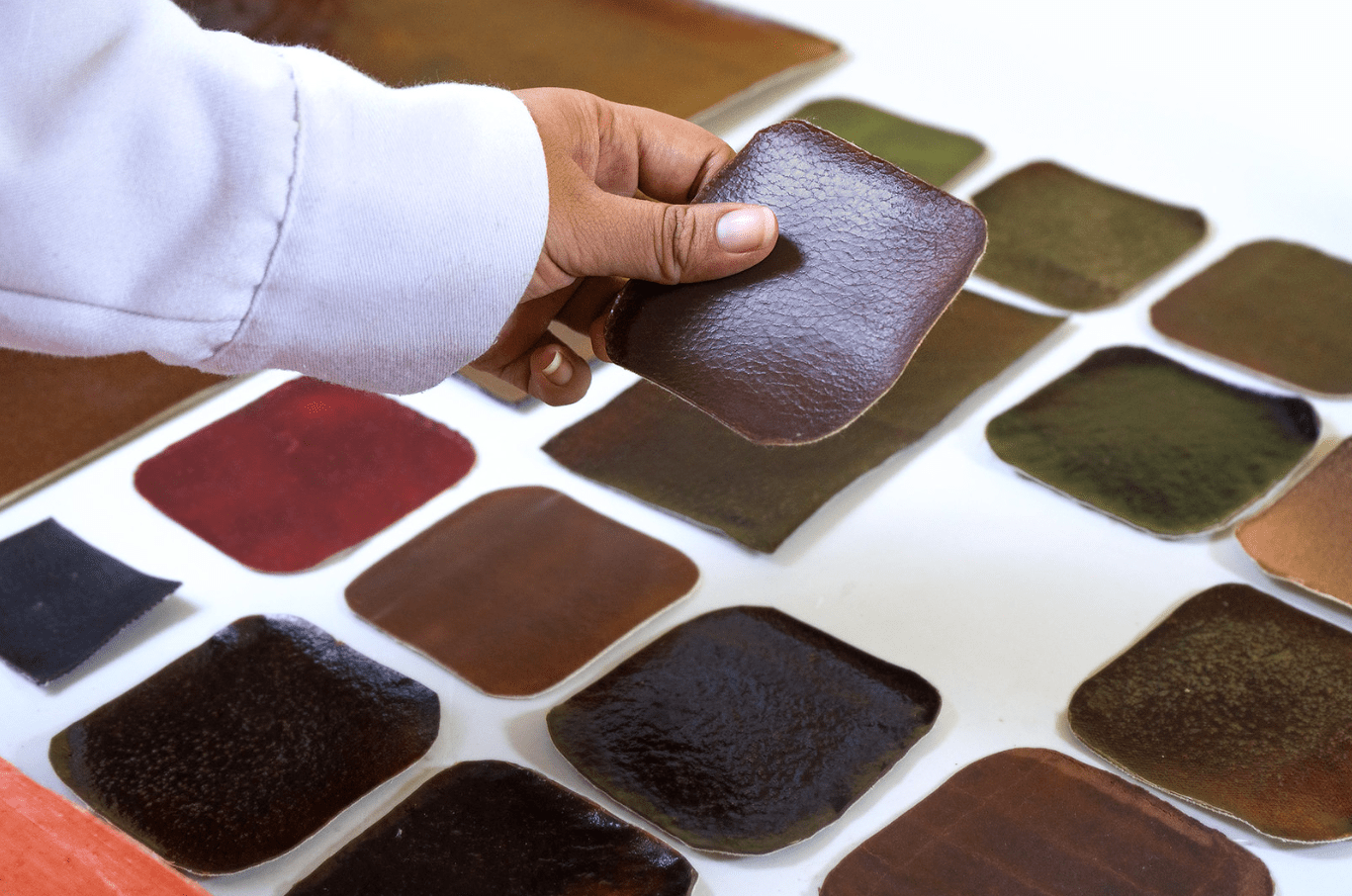
Once the liquid latex is delivered to the studio, the water content is reduced to increase density, after which another proprietary formula is added to transform it into a paste, spread evenly onto a cotton sheet of approximately 100 × 50 cm. During controlled coagulation, finishing treatments are applied to define the final texture and thickness.
It took two years of intensive testing — and barely leaving the laboratory — to arrive at the current formula: 87% natural biomass (shiringa resin, fibres, minerals) and 13% synthetic. “This is what we have achieved now; in the future, the natural portion will be even greater.” The synthetic component is water-based polyurethane, which enhances the chemical stability required when the material is exposed to regular wear and abrasion, such as in bags and shoes.
“Sometimes a client asks us for 100% natural; we can do it, yes — but the overall quality decreases,” says Cajacuri.


Next step? Completing a Life Cycle Assessment (LCA) to provide full credibility regarding resource-use efficiency and environmental impact.
Government support for Caxacori Studio — helping to sustain and expand this complex initiative — could put many other governments to shame. It provides funding for fieldwork, equipment purchases, facilitates administrative processes, and sponsors participation in local and international events.
It is only by acknowledging that nature — in this case, the rainforest — is a source of life in which sustenance works both ways, rather than a resource to be skinned alive in one direction, that responsible business models can be developed, supported and executed. In this case, the plot twist is this: the longer the vision ahead, the more tangible the changes at every step.
The Spotlight Chapter


“That’s the way to scale the impact — the impact of bio-leather in the jungle: more families, more forest to preserve.”
Jorge Cajacuri
Being in the right place at the right time — and with the right people — has proven a fortunate pattern for Caxacori Studio. Around the time Shiringa was approved as a product, Emma Håkansson of Collective Fashion Justice travelled halfway across the globe to make a film about the material and the Awajún women behind it.
Then, in August 2025, Collective Fashion Justice supported Shiringa’s exposure at Copenhagen Fashion Week with an inspiring panel talk and impactful exhibition, where brands and designers including Marimekko, Mozdeh Matin, AERON, Serena Coelho and ASK Scandinavia presented works crafted from Shiringa — all praising its supple, buttery qualities that make it so graceful to work with.
Today, designers from around the world are reaching out to trial Shiringa. Collective Fashion Justice is supporting another exhibition in Milan in April 2026. In the month when many turn their attention to environmental issues and commemorate the Rana Plaza collapse as a reminder of how fast fashion’s neglect of people and planet can take its ultimate toll, it feels only right to spotlight solutions that are not merely promising, but ones that have already made a significant difference to the lives and habitats of those who produce them.


In the quest for sustainability, many endeavours have fallen short of their promises, typically landing somewhere between barely scraping the surface with presentable targets and simply failing to deliver the financial results required to sustain operations (oh, the irony). Sometimes, it is both — costing a business its credibility not only with bank officers, but most importantly with its customers and workers.
Therefore, it feels only right to conclude the story of Shiringa with two further details, in addition to everything already discussed. The primary driver of the Amazon rainforest’s rapid and uncontrolled deforestation is cattle grazing — trees are cut down to make space for livestock serving the meat and leather industries. Preventing deforestation by expanding protected zones for the production of a leather alternative is therefore as significant as it is poetic.
There is also a clear note of emancipation. In her interview on BBC Radio 4’s Woman’s Hour, Håkansson said that Shiringa ticks all the ‘total ethics fashion’ — a term she coined — boxes of a future material combining people, animal and planet welfare. First, women are able to defend their homes against deforestation; second, they are able to support themselves and their communities economically; third, the production and use of Shiringa significantly reduce climate impact — in addition to the obvious imperative of avoiding animal suffering.
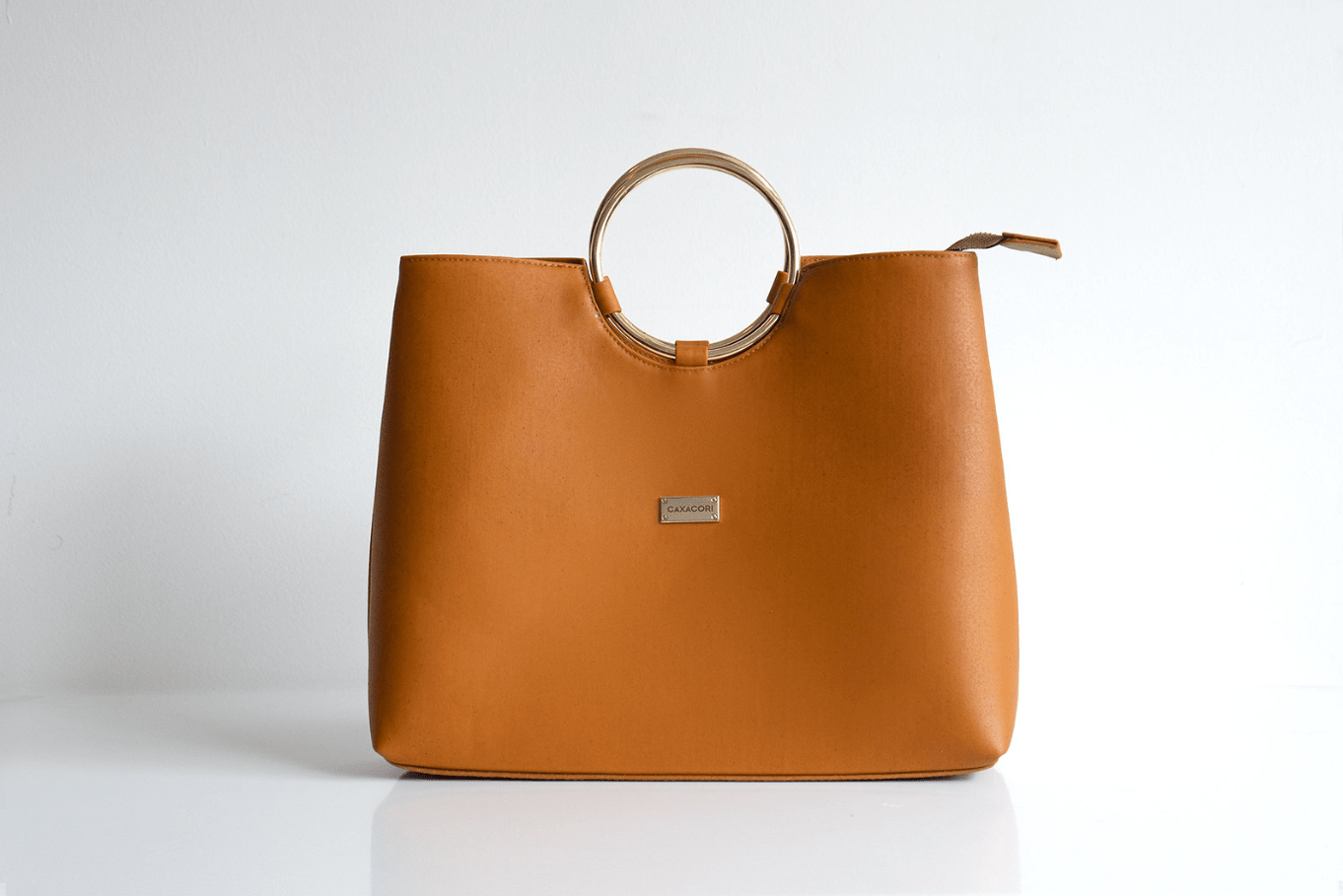

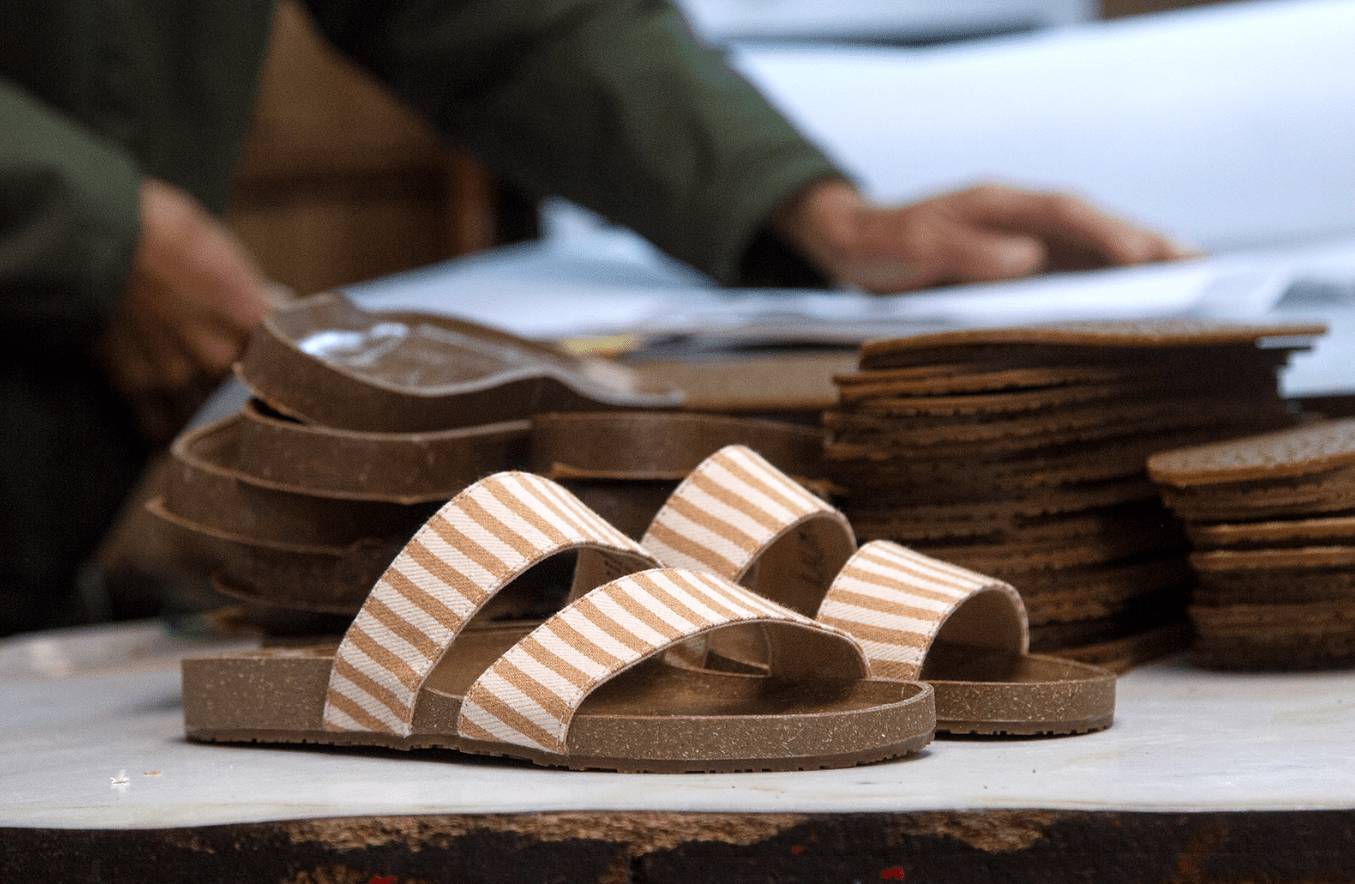
This is where Cajacuri sees the true differentiator of Shiringa among other leather alternatives on the global market. “It is the only bio-leather with which we can trace the impact we achieve throughout the process.”
Would that be enough to convince consumers worldwide to seek out items produced from Shiringa instead of animal leather?
Trendsetters — over to you.
All photos & video courtesy of Caxacori Studio