
At Vegan Fashion Repository, we track the developments on the vegan fashion market and update the Directory regularly.
With November bringing National Recycling Day in the United States on 15 November, the Oceans of Plastic 2025 campaign day on 19 November, and VFR’s own first anniversary, this month’s update is a truly special one, celebrating three occasions that highlight sustainability, recyclability, and our journey over the past year.
We’re featuring 5 innovative bags & accessories brands using recycled materials, 10 recycled materials across five categories—leather, synthetics, cotton, silk, and chemical alternatives—and 5 new sustainability certification schemes.
Alongside these exciting additions, we bid farewell to brands that have closed, gone dormant, or no longer meet our standards, keeping the Directory a reliable and up-to-date resource for conscious consumers.
In November 2025, we added the following vegan fashion brands to the Directory:
ASK SCANDINAVIA (Finland)
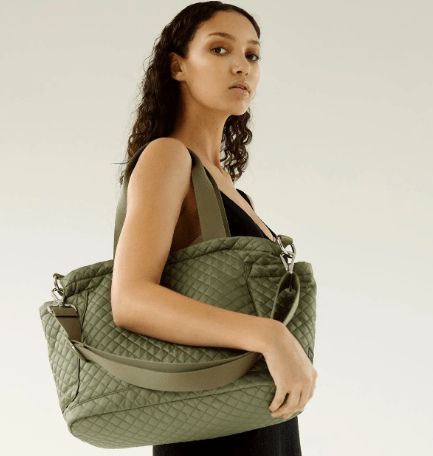
Category: bags, travel bags, bags for mums & baby accessories, women’s T-Shirts
Founded in 2017 in Finland, ASK Scandinavia is a female-led brand creating premium bags and accessories from innovative materials such as ECONYL®, SPINNOVA®, MIRUM®, Texloop™ RCOT™, and organic cotton. Every product is made in Europe and comes with a unique digital ID verifying origin and authenticity, while collaborations with partners across the circular economy advance traceability and sustainability.
BAULA (Colombia)

Category: bags, wallets & pouches, phone pouches, scarves, bag straps
BAULA, established in 2019 in Colombia, is a vegan brand that takes aesthetic inspiration from wildlife. Using materials such as cactus-based Desserto®, pineapple Piñatex®, recycled PET, Econyl®, and locally sourced natural fibers, the brand transforms sustainable textiles into bags, wallets, and scarves that celebrate endangered species and advocate for environmental protection.
ICON (Greece)

ICON, founded in 2016 in Greece, crafts minimalist, cruelty-free bags and watches from recycled and bio-based materials such as rPET, Piñatex®, apple leather, raffia, recycled cotton, and stainless steel. The brand partners exclusively with certified and audited suppliers to ensure that every piece reflects conscious craftsmanship and transparency.
LUNA (USA)

Category: bags & backpacks, laptop backpacks
LUNA is a US brand designing backpacks and everyday bags from rPET sourced from plastic bottles in Haiti and Honduras, combined with recycled hemp, organic cotton, algae-derived thermoplastics, and corn-based vegan leather. Guided by a no-harm philosophy, the brand is an ambassador for slow fashion and low-impact production.
PLEATSMAMA (South Korea)

Category: bags & backpacks, pouches, laptop cases & phone pouches, keychains & other small accessories
PLEATSMAMA is a South Korean brand known for its lightweight pleated bags made from recycled materials and bio-based materials, including PET bottles and discarded fishing nets collected across Korea. With innovative knitting techniques and zero-waste design, the label combines functionality, circularity, and a modern aesthetic.
In November 2025, we updated the Fabrics & Textiles Directory with the following recycled textiles entries:
Dinamica® (Italy/Japan/USA)
Dinamica® is a non-woven suede alternative made partly from recycled polyester, produced through a water-based process with no organic solvents. It is constructed from three layers: an inner scrim that captures polyester fibres suspended in water; a surface consolidated through water-jet needle-punching; and a polyurethane bath that uses water instead of solvents to compact the fibres and give the material strength and elasticity. Production also includes systems for optimising energy use, reducing chemical waste, and reusing part of the process water. Dinamica® is available in multiple lines with varying recycled content (including the GRS-certified Pure line) and is used across sectors such as automotive, furniture, and fashion.
Hecoprima® (Germany)
Hecoprima® is a recycled polyester fiber made in Indonesia from post-industrial textile waste and PET bottle flakes. Using a standardised waste-sorting system, the material is mechanically recycled into staple fibres and yarns in multiple counts. Developed by GRS-certified manufacturer Hadtex, Hecoprima® provides a fiber-to-fiber recycling route that reduces reliance on virgin polyester and bottle-based rPET.
Infinna™ (Finland)
Infinna™ is a regenerated cellulose fiber made from cotton-rich textile waste. The process removes non-cellulosic content to create a new fiber that behaves similarly to cotton and can be used with standard manufacturing machinery. It contains no plastic, is biodegradable, and does not shed microplastics. Infinna™ can be used alone or blended with other fibres, and its production requires less water than growing new cotton. Fabrics made with Infinna™ can also be recycled again, supporting closed-loop textile use.
NewLife™ (Italy)
NewLife™ is an upcycled polyester yarn made from post-consumer plastic bottles collected and processed before material degradation occurs. Through a certified mechanical system, the bottles are transformed into high-quality filaments suitable for premium fabrics across fashion, sportswear, automotive, and interior applications. The yarn is traceable through a built-in identification technology, ensuring verification in final products.
RecoTec™ (Taiwan)
RecoTec™ is a GRS-certified recycled PVB material made by converting waste polyvinyl butyral (PVB)—mostly recovered from decommissioned car windshields—into a functional leather-like composite. The material is built from three layers: a customisable surface finish, a recycled PVB film, and a textile base fabric that provides strength. Produced through a fully integrated supply chain, RecoTec™ meets industrial durability standards and is used in footwear, furniture, bags, apparel, sporting goods, and automotive interiors.
Recover™ (RCotton, RMix, RDenim, ROne) (Spain)
Recover™ is a manufacturer of recycled cotton fibres and blends for use in fashion, accessories, and home textiles. RCotton is 100% recycled cotton fiber, available in white, ecru, or custom colours, suitable for knits, flat knits, woven fabrics, and denim. RMix is a recycled polycotton blend containing up to 40% polyester, made from post-industrial and post-consumer textile waste. RDenim is recycled cotton from denim waste, maintaining the indigo color for circular denim production. Recover™ One is a 100% recycled blend of color-matched RCotton and recycled polyester, ready to spin without overdyeing. Recover™‘s proprietary Fibersync Technology ensures consistent blending, colour accuracy, and uniform fiber quality across all products.
Regen™ (Spandex, Nylon, Polyester) (South Korea)
regen™ is a family of recycled textile materials developed by Hyosung TNC. The range includes recycled polyester made from post-consumer PET bottles, recycled nylon made from discarded fishing nets and production waste, and pre-consumer recycled spandex reclaimed from manufacturing scrap. These materials are chemically or mechanically recycled to create new fibres with performance similar to their conventional counterparts. regen™ products hold third-party certifications such as GRS, RCS, and OEKO-TEX® Standard 100. Hyosung also operates an internal traceability system (R-Scan) to confirm the use of recycled content in final fabrics.
Re-SanPulp™ (Germany)
Re-SanPulp™ is a recycled and sanitised fiber material made from synthetic textile waste. It can be customised in composition and properties for use in new fibres, non-wovens, construction materials, automotive interiors, acoustic panels, and other products requiring tailored performance and sound absorption. Re-SanPulp™ supports fiber-to-fiber recycling, enabling circular production by turning discarded textiles into soft, durable, and functional materials. It is used in a collaboration with Volkswagen to produce sustainable trunk covers for their cars.
REWAVE™ (REPET, RENET, RECOT) (China)
REWAVE™ is a family of recycled leather-alternative materials made from recycled PET bottles (REPET), discarded fishing nets (RENET), and recycled cotton fibres (RECOT). These waste streams are transformed into functional, leather-like textiles, resulting in materials that offer both performance and reduced environmental impact.
Texloop™ RCOT™ (USA)
Texloop™ RCOT™ converts pre-consumer cotton textile waste into recycled cotton fiber using a low-impact mechanical process that preserves longer staple lengths. The recycled fiber is blended into yarns—often with organic cotton or TENCEL™ Lyocell—and used to produce soft, durable knitted and woven fabrics with fewer common recycled-cotton defects. Texloop’s system operates through global recycling partners and supports closed-loop programs for supply chains. Impact data shows significant reductions in water use, CO₂ emissions, and energy compared to conventional cotton.
Last, but definitely not the least, in November 2025 we added the following sustainability certifications:

Blue Angel (Germany)
The Blue Angel is Germany’s official environmental label awarded to products and services that meet rigorous criteria for environmental protection, consumer safety, and responsible resource use. For textile products (e.g., DE-UZ 154), the certification sets requirements across the entire lifecycle, including strict limits on hazardous substances, responsible fibre sourcing, reduced emissions during production, durability expectations, and requirements supporting repairability and recyclability. It promotes environmentally preferable materials, controlled chemical management, reduced energy and water consumption, and high product safety standards. Only products that meet all mandatory criteria — including environmental performance, health protection, and verifiable compliance documentation — can display the Blue Angel label. This certification could also be evaluated and awarded to Shoes category.
Cotton made in Africa (CmiA) (Germany)
Cotton made in Africa (CmiA) is a sustainability standard for sub-Saharan African cotton that aims to improve smallholder livelihoods through trade while protecting the environment and supporting communities; built on four pillars—Management (responsible business conduct, the verification process), People (fair labour, gender equality, child-rights protection), Planet (sustainable farming, biodiversity protection, no GM seeds), and Prosperity (better productivity, skills, and economic stability). Certification is based on a system of annual self-assessments, alternating third-party audits, and a Chain of Custody system using Mass Balance or Hard Identity Preserved models, complemented by a Transparency Standard with digital transaction documents and desktop audits to strengthen supply-chain integrity.

Naturland (Germany)
Naturland certification guarantees that products meet strict ecological and social standards, going beyond the legal mininum standard of EU organic regulations with strong environmental requirements for soil, water, and climate protection, while also addressing social responsibility through fair labour conditions, health and safety, and workers’ rights. The certification covers agriculture, aquaculture, forestry, livestock, processing, and even textiles and cosmetics, with standards developed and overseen by independent committees including farmers, scientists, and processors.
NATURTEXTIL iVN certified BEST (Germany)
NATURTEXTIL BEST is a textile certification based on the GOTS standard (GOTS certification is required first) with 10 additional ecological criteria, mandating products be made from 100% natural fibers and strictly limiting harmful chemicals such as heavy metals, chlorine compounds, silicones, optical brighteners, synthetic flame retardants, and intensive finishing treatments, while promoting renewable-resource chemicals and applying the 12 principles of green chemistry.

TESTEX CIRCULARITY (Switzerland)
TESTEX CIRCULARITY is a textile certification assessing durability, repairability, and recyclability of textile products across their entire lifecycle. The certification ensures that garments are designed for longevity, can be repaired efficiently, and are suitable for responsible end-of-life processes. Testing includes physical durability evaluations following the Product Environmental Footprint (PEF) framework for Apparel & Footwear, performed in an accredited TESTEX laboratory. Repairability is assessed through availability and quality of repair solutions, documentation, and design features. Recyclability is evaluated based on design-for-recycling principles, material compatibility, ease of disassembly, and transparent material labelling. A certificate is issued only when all three modules—Durability, Repairability, and Recyclability—are successfully fulfilled.
GOODBYE
This month, sadly quite a large number of brands (20) have closed their doors or we haven’t heard from them for a while: A Perfect Jane, Blanc Earth, Braag Green, Bulaggi, Carter Bags, Chakrana, Clockwood, Dan & Mez, Drassac, Emilia Ohrtmann, Ex-Animo, Guru MTP, Noah, Pixie Mood, Recykers, Róka, Sydney Brown, The Ozzers, Vaseghia, Virón, Wholesome Culture.
We have also removed Bienali Bags from our Directory due to transparency issues, and Armargentum for introducing cashmere into their collections. Mandala was moved to the Vegetarian Brands Directory, due to the incorporation of mulesing free wool.
It’s always exciting to celebrate new innovations, but it’s also sobering to see so many brands disappearing from the scene; this is a challenge we’ll be investigating further, so stay tuned for upcoming articles exploring the causes and trends behind these shifts in vegan fashion.
If your vegan brand isn’t yet featured in our Directory, feel free to contact us at hello@veganfashionrepository.com
