
Published on 1 November 2024; updated on 9 July 2025 and 14 July 2025

Running a fashion brand is challenging enough. Multiply that several times over, and one begins to get a sense of what it means to run a vegan one. In an industry driven by sales targets and profitability, operating a vegan fashion brand that champions innovation, transparency, and consumer education — and ultimately, meaningful engagement — is anything but a recipe for quick returns.
In this article, we outline five key challenges that make it particularly difficult for a fashion brand to launch as, or transition to, a fully vegan model — and why it remains so vital to continue supporting the ones that keep the flame alive.
Reason No. 1: Sourcing is a real effort (but it’s getting better)
With the EU’s Green Claims Directive currently on hold and broader global shifts pushing environmental concerns further down the political agenda, the responsibility for ethical sourcing now weighs even more heavily on individual brands. At the same time, consumer sentiment is becoming increasingly polarised: between those who demand full transparency and those who, frankly, don’t give a damn.
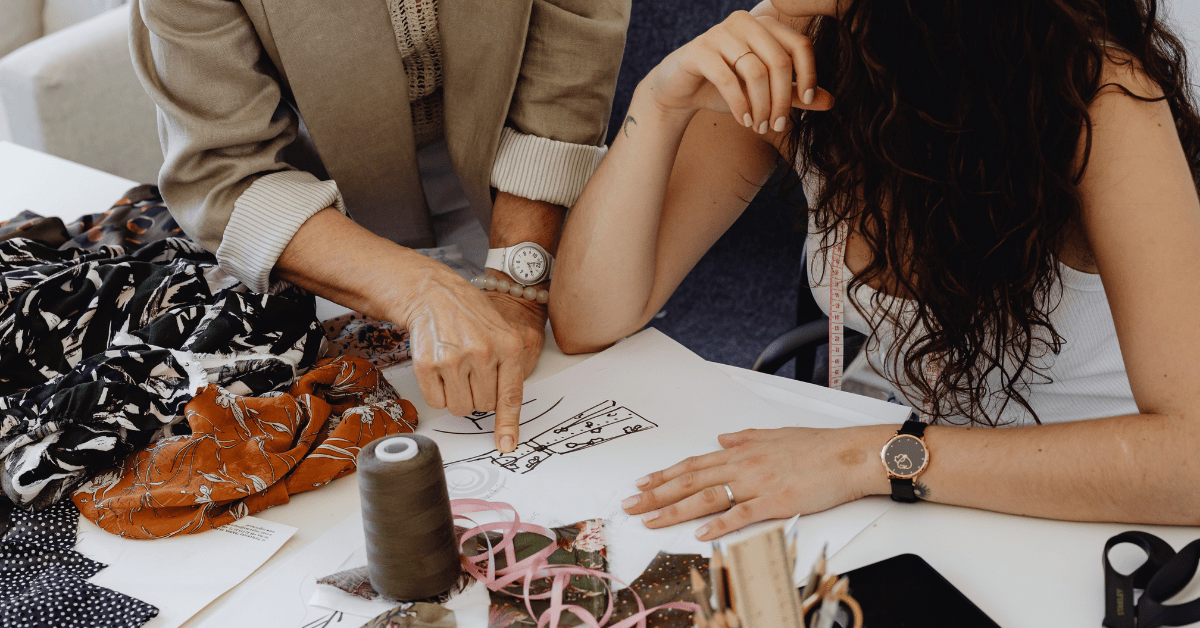
Over the past decade, I’ve spoken to many designers and brand owners who shared that it took them two to three years — sometimes longer — to research and identify the right vegan leather alternative. Finding a trusted supplier capable of delivering a material that performs as claimed, with verified sustainability credentials backed by assessments and certifications, remains a significant effort.
While the media occasionally erupts with excitement over the latest “miracle material” — from plastic-free leather alternatives to algae-based textiles, and even shrimp shell leather (which, technically, isn’t vegan but has gained quite a following over the past two years) — only a handful ever scale successfully, and fewer still generate sufficient demand to sustain long-term operations.
For material developers, for example, creating a synthetic leather that isn’t simply another form of plastic requires years of R&D and considerable financial risk. It’s no quick win — and with the vegan fashion market still regarded as niche, few are willing to make that level of investment. Only a handful of companies are developing genuinely sustainable and innovative materials, and they are often known only within a relatively tight-knit circle of material innovation insiders.
The process of discovering and connecting with promising suppliers often comes down to trial and error. Many work with proprietary technologies, making them cautious about sharing information and highly selective about potential partners. Even once a collaboration is established, testing material performance against design and utility needs is a resource-heavy commitment — with no guaranteed outcome.
Then comes prototyping: a true test of whether the material is fit for purpose across various product categories, such as shoe components, bag panels, or garment structures. Technical performance must align with aesthetic goals. I recall speaking with Aleksandra Kościkiewicz, founder of Alexandra K, back in 2013. She told me about the weeks of travel and countless prototypes it took before arriving at a satisfying result. At that time, most purse manufacturers who prided themselves on craftsmanship would only work with genuine leather.
Today, it is easier to produce high-quality shoes, bags or even garments using alternative leathers, thanks to more ateliers and manufacturers becoming familiar with a broader range of non-animal materials. Still, connecting the dots — research, material type, and production — remains an endeavour requiring not only time and money but genuine commitment to seeing the process through.
The good news? There are few things more rewarding than introducing a product that truly stands for vegan values, sustainability, and high fashion at its finest.
Reason No. 2: It takes solid research

We’ve reached a point where vegan materials exist across multiple categories and tiers — and choosing the right ones requires serious research and discernment.
At the most basic level, where the sole criterion is animal welfare, synthetic fibres such as polyester, nylon, acrylic, and polyethylene (PET) as well as leather alternatives made from polyurethane (PU)1 and polyvinyl chloride (PVC) all technically qualify as vegan. However, these materials are petroleum-based. What may have been considered an acceptable solution a decade ago no longer meets the expectations of today’s environmentally conscious consumers or the standards of responsible, future-oriented brands.
Newer materials — such as bio-based PU derived from renewable sources like vegetable oils, or recycled plastics like rPET made from discarded bottles and ocean waste — reflect a more complex approach to sustainability. With only around 9%2 of plastic waste currently recycled worldwide, supporting recycled rather than virgin plastics remains a meaningful step in reducing environmental impact. Encouragingly, recycling technology is also improving, increasingly requiring less virgin input to maintain fibre quality.
Beyond synthetics, the next tier includes plant-based fibres — both natural and manmade. Natural options range from cotton, hemp, and linen to bamboo, ramie, jute, banana, and coconut fibres. Of these, cotton3 remains the most widely used globally, but also one of the most resource-intensive crops to cultivate. Since true sustainability lies in reducing resource use and environmental impact across a product’s life cycle, cotton sourcing demands particular scrutiny. The release of Transparentem4’s investigation in January 2025 once again highlighted just how fraught — and at times, blatantly misleading — this space can be.
Fibres such as hemp, bamboo, linen, and jute — all used for thousands of years — are being reintroduced, thanks to their lower resource demands compared to conventional cotton. At the same time, newer innovations like orange fibre continue to face significant scaling challenges. For these technologies to thrive, sustained support from the global fashion community is essential — not only to champion early-stage innovation, but to help attract the long-term investment needed to bring them to market at scale.
A particular group within the plant-based category are manmade cellulosics (MMCFs) — regenerated fibres such as viscose, lyocell, and modal, made from dissolved wood pulp. While prized for their excellent qualities in vegan garments, these fibres originate from trees, making responsible sourcing essential to avoid contributing to deforestation. Transparency in the production process is equally important, as dissolving wood into fibre typically involves the use of strong chemicals. While lyocell production is mostly known for its use of non-toxic, recyclable solvents in a closed-loop system, other MMCFs may rely on more hazardous chemicals during processing. As with all materials, sourcing from certified producers remains the only ethically sound approach.
Vegan leather alternatives can be categorised into distinct tiers. The first consists of conventional synthetics — PU or PVC — as discussed. The second tier – plant-based leather alternatives – represents a significant step forward. The most commercially visible examples are made from apple, cactus, corn, pineapple and grape waste. Although the biomass content of these materials can reach or exceed 70%, some producers still rely on synthetic inputs to ensure structural durability and chemical stability.
More environmentally conscious manufacturers are turning to bio-based PU or polylactic acid (PLA) in place of traditional PU and PVC to eliminate petroleum-derived components altogether. Again, it falls to brands to thoroughly research which alternative leathers contain lower synthetic content and which producers minimise the use of harmful chemicals. Marta Sieradzka, founder of Estimon, dedicated several years to researching these issues before launching her brand.
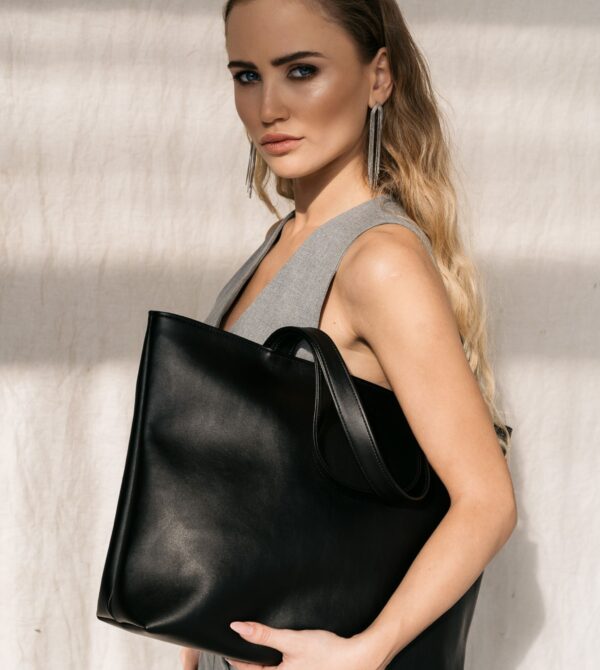

Critics of plant-based leathers often dismiss them as “just plastic”, overlooking the fact that genuine leather is frequently coated with plastic and tanned using toxic substances such as chromium (VI), arsenic, and lead. Vegetable tanning is less harmful, but still fundamentally compromises biodegradability. Meanwhile, the resources consumed in the production of genuine leather — from cattle grazing to the finished product — are nearly seven times more impactful per square metre than synthetic alternatives5.
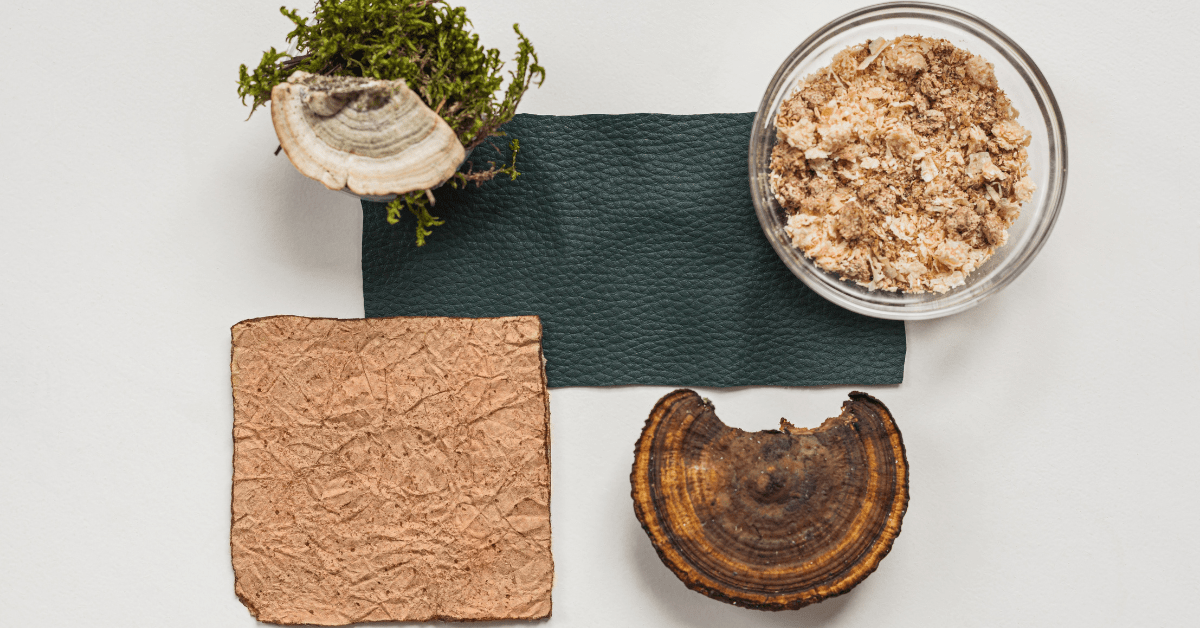
At the highest tier are the most innovative vegan leather alternatives — those created entirely without plastic. This group includes mushroom leather, natural rubber-based leather, cork leather, and emerging materials crafted from everything from cocoa husks to kombucha cultures. While some rubber leathers may still contain synthetic inputs, and certain cork leathers are coated with plastic, the range of inherently plastic-free options has been steadily expanding in recent years.
And such, MIRUM® is recognised as the first commercially available plastic-free leather alternative made from natural rubber. Newer innovations, such as Nutico™ — developed from chocolate and cocoa husks — are produced without water, addressing multiple challenges at once: plastic reduction, waste repurposing, and resource efficiency.
This is by no means an exhaustive list of vegan materials. But it illustrates just how much careful research, technical understanding, and ethical reflection go into selecting the right materials for a truly responsible vegan fashion brand — which may also help explain why there are still fewer of them than we’d like.
Reason No. 3: Innovation comes at a cost

For any self-respecting vegan fashion brand that aims to stand out — preferably for the right reasons — utilising innovative materials is key. But there’s no way around it: these materials are expensive.
Developing next-gen vegan materials requires substantial investment. From research infrastructure and advanced technologies to specialised equipment, repeated prototyping, testing, scaling, and finally meeting certification and regulatory requirements — each phase demands significant resources. Add to that the marketing needed to communicate these innovations in a compelling and accessible way, and the cost of producing a high-quality, sustainable vegan material quickly surpasses that of more conventional alternatives. Companies, after all, must still meet return-on-investment expectations.
This, by definition, limits access. Independent fashion and emerging designers often find themselves priced out of the innovation race before they can even begin. Launching a new product line or brand based on premium vegan materials is likely to run at a loss — sometimes significantly so — in its early phases, with no guarantee of rapid recovery.
Moreover, the vegan fashion market remains relatively small and often polarised compared with mainstream fashion. Brands working within this niche compete not only with each other but also with mainstream players for the attention — and wallets — of both vegan and non-vegan consumers. This competition becomes particularly lopsided during periods of economic instability, when the perceived value of a “fancy” vegan product may be eclipsed by cost-conscious decision-making.
Economic downturns tend to recalibrate consumer priorities towards essential goods and services. Even with optimistic forecasts for growth across both womenswear and menswear, it is reasonable to assume that premium vegan fashion may face the same challenges recently seen in the plant-based food sector. In 2023, for instance, the UK saw a marked drop in vegan food sales as meat and dairy products undercut them in price. A similar ‘bubble burst’ in vegan fashion is not just possible — it’s historically predictable.
As forward-thinking and innovative as premium vegan fashion may be, it remains particularly vulnerable to broader economic tides. In that sense, it shares a fate familiar to all pioneering industries: ahead of its time, yet always at the mercy of market cycles. And whims.
Reason No. 4: Supply chain is a headache

A credible vegan fashion brand owes its customers full transparency — and that means ensuring the entire supply chain adheres not only to vegan standards but also to wider ethical and environmental values. The responsibility for sourcing wisely, therefore, rests squarely on the brand’s shoulders.
On the front end, obtaining certification from a recognised third-party body can serve as a vital demonstration of the brand’s commitment to a truly vegan and sustainable supply chain. However, navigating the certification landscape is no easy task. Well-resourced brands often rely on dedicated compliance teams or external auditors to manage and monitor every step of their supply chain. But for smaller labels — many of which are driven by a founder’s personal vision of a fairer world — the burden falls on a much smaller team. Sometimes, it comes down to just one person to keep every moving part aligned until the brand begins to grow.
Regardless of size, any disruption or ethical breach at any point in the supply chain can undermine a brand’s credibility and operations. For vegan brands, this reputational damage cuts deeper. It strikes at the very core of what the brand represents — making it significantly harder to recover from than for mainstream fashion labels. That is why building and maintaining a supply chain based on rigorous, verifiable vegan and sustainability standards is as close to foolproof as it gets. Yet even the most reliable systems can falter. If a supplier’s certification is revoked, and they must be removed from the supply chain, brands are faced with the urgent challenge of finding a new certified supplier — all while keeping customers informed and trust intact.
On top of that, certification can be costly, and the patchwork of standards is often confusing. Some schemes depend largely on self-declarations, while others demand thorough laboratory testing or full traceability throughout the production chain. Many include both scheduled and random on-site inspections, with renewal requirements varying between programs. Ultimately, it’s up to each brand to determine which certification systems align best with their core values and strategic goals—and which are financially and logistically feasible.
At the production level, things get even more complicated. Vegan materials often require specialised inputs and processes that are not yet widely available or easily scaled. Brands committed to vertically integrated production — managing everything from raw material sourcing to final product delivery — often rely on a mix of know-how, solid infrastructure, trusted networks of global suppliers, long-standing relationships, and community ties — anything that helps maintain quality and — above all — consistency.
Reason No. 5: It takes heavy storytelling takes

Back to Aleksandra Kościkiewicz’s story. As rewarding as it was to get the bag made properly, that was just the beginning. The real challenge came next: positioning the bag in a space that lies somewhere between animal leather — often perceived as ‘genuine’, ‘durable’, and ‘luxurious’ — and PU or PVC leather, still tainted in the public imagination as ‘cheap’, ‘smelly’, and prone to cracking. While these ideas are increasingly outdated, they remain deeply entrenched.
Making a product pop in such a landscape, especially back when plant-based leather alternatives were only known to a small circle of enthusiasts, required more than just a good product. It required powerful storytelling.
To this day, switching to a vegan wardrobe still demands a conscious, persistent effort from consumers — not just to change purchasing habits, but to challenge cultural narratives that have been ingrained for decades, if not centuries. One of the most persistent is the idea that vegan fashion is no luxury. Genuine leather has long been romanticised, ritualised, and sexualised in Western fashion history. That legacy is so dominant that many fashion brands — even those who use PU leather — avoid labelling their products as vegan. Meanwhile, genuine leather items are often promoted with elaborate detail about the species and treatment of the hide.
Fashion media often reinforces this imbalance. Journalists frequently default to assumptions about genuine leather’s superiority — repeating outdated claims, or assuming that a ‘cool’ brand’s leather is genuine even when it isn’t. Vegan leather is often only mentioned when someone explicitly asks.
Yet the landscape is changing. New innovations — from spider-silk alternatives made by engineering alfalfa leaves instead of boiling silkworm cocoons, to colour and texture mimicking via man-made proteins, to plastic-free, low-impact leather alternatives — do show that vegan fashion is increasingly able to compete on innovation and performance. Still, there’s a persistent binary: vegan fashion is either cheap and synthetic or experimental, exciting, and expensive. While interest in vegan fashion is growing, demand remains inconsistent — particularly beyond committed vegan consumers.
For any vegan fashion brand, consistency is hard-earned. It takes collective, ongoing storytelling — not just to market the product, but to reshape perceptions. Educating and exciting audiences at the same time is a full-time job, and one that requires strategic persistence.
Some of the most forward-thinking experimentation in materials is being driven not by vegan brands, but by fashion houses that are not fully vegan. Stella McCartney and Nanushka — both of which use wool — and Ganni, which uses animal leather, are examples of brands willing to invest in next-gen materials. Their longstanding investment in sustainable innovation has put them on the radar as experimental leaders. Gucci too, capitalising on its luxury status, has explored vegan fashion — most notably in its collaboration with Billie Eilish on a vegan version of the Horsebit 1955 bag, made using Demetra, Gucci’s proprietary vegan material.


Meanwhile, fully vegan designers and labels such as Sarah Regensburger, Lucky Nelly, and Giulia & Romeo continue to push boundaries — building vegan fashion as not just an ethical choice, but a space of luxury and innovation. But for vegan fashion to truly become the new frontier of luxury, it needs a steady influx of hot, statement-making pieces — the kind that capture hearts, minds, and credit cards, from vegans and non-vegans alike.
After all, a vegan fashion brand is still a fashion brand. And fashion, at its core, is all about design, desire, and storytelling.
The bottom line
At Vegan Fashion Repository, we are committed to supporting the growth and professionalisation of the vegan fashion industry. Our Directory of Vegan Materials and Certificates was created to help brands, professionals, and enthusiasts browse and access trustworthy resources with just a few clicks.
As we continue to expand, the Directory will include verified vegan material suppliers and industry experts, building a bridge between innovation, ethics, and accessibility.
Your support makes this possible.
Thank you for being part of this journey.
Further reading:
The Virgin of All Fashion Sectors — about consumer behaviour vs ethical storytelling
The Vegan Society’s report on vegan fashion (2021)
McKinsey’s report on the fashion industry’s decarbonisation efforts
An updated report on the production of plant-based leather alternatives
Footnotes:
- More about PU leather https://veganfashionrepository.com/2025/03/05/material-on-trial-pu-leather-aka-the-vegan-leather/ ↩︎
- https://www.eea.europa.eu/en/topics/in-depth/plastics ↩︎
- More about cotton https://veganfashionrepository.com/2024/11/01/material-on-trial-cotton-fiber/ ↩︎
- https://transparentem.org/wp-content/uploads/2025/01/From-Field-to-Fabric-Enhancing-Due-Diligence-in-Cotton-Supply-Chains.pdf ↩︎
- https://circumfauna.org/leather-carbon-footprint#:~:text=624kg%20of%20CO2%20is%20emitted%20per%20tonne,kg%20of%20putrefied%20hides%20(Source:%20Leather%20Panel). ↩︎
Discover more from Vegan Fashion Repository
Subscribe to get the latest posts sent to your email.