


I first discovered STORY WEAR during TRANOÏ Tokyo in August 2025. Among the brands presented at the show, the Taipei-based label immediately stood out to me. There was something particularly compelling about the way they approached recycled denim — not as a limitation, but as a material carrying history, texture, and individuality. Their garments felt contemporary while still visibly connected to the previous life of the fabric itself.
Founded by Kuan Chen in 2018, STORY WEAR focuses on creating fashion from textile waste and upcycled materials while collaborating with local artisans from disadvantaged backgrounds. Since its launch, the Taiwanese brand has become recognized not only for its distinctive aesthetic, but also for integrating measurable social and environmental impact into its work.
At the same TRANOÏ Tokyo edition in 2025, I also first heard about House of Story Wear — a larger concept connected to the brand that immediately caught my attention. Rather than functioning solely as a retail space, it was described as a sustainable lifestyle department store bringing together fashion, repair services, events, food, culture, and community under one roof in which STORY WEAR would play a key role – a lead brand and sustainability benchmark against which other brands would be evaluated to be included.
The idea stayed with me long after the event.
STORY WEAR’s team and I later reconnected again during the Spring 2026 edition of TRANOÏ Tokyo, where conversations around House of Story Wear continued. Earlier this month, while planning a short trip to Taipei, I decided to finally pay them a visit and was invited by Kevin Liu, founder of House of Story Wear and Steven Parker, consultant and event organizer at House of Story Wear, to visit the space and attend one of their wine tasting and jazz evenings.
An Evening of Jazz, Wine, and Sustainable Fashion


Located in Taipei’s historic Dadaocheng district, House of Story Wear occupies a century-old traditional shophouse deeply connected to the city’s textile history. The building once stood alongside the “Gangzai Canal,” historically used for tea transportation during the late Qing Dynasty and early Japanese colonial period, before later becoming a textile factory itself.
Even before entering, the location already felt meaningful. Dadaocheng remains one of the historical centers of Taiwan’s textile industry, filled with fabric stores, garment suppliers, and traces of Taipei’s manufacturing past.
We arrived slightly late that evening but were warmly welcomed by Steven into the space. The event featured carefully selected sustainable wines (and even vegan pizza!), while the highlight of the evening was the live performance by talented jazz vocalist Teresa Yang.
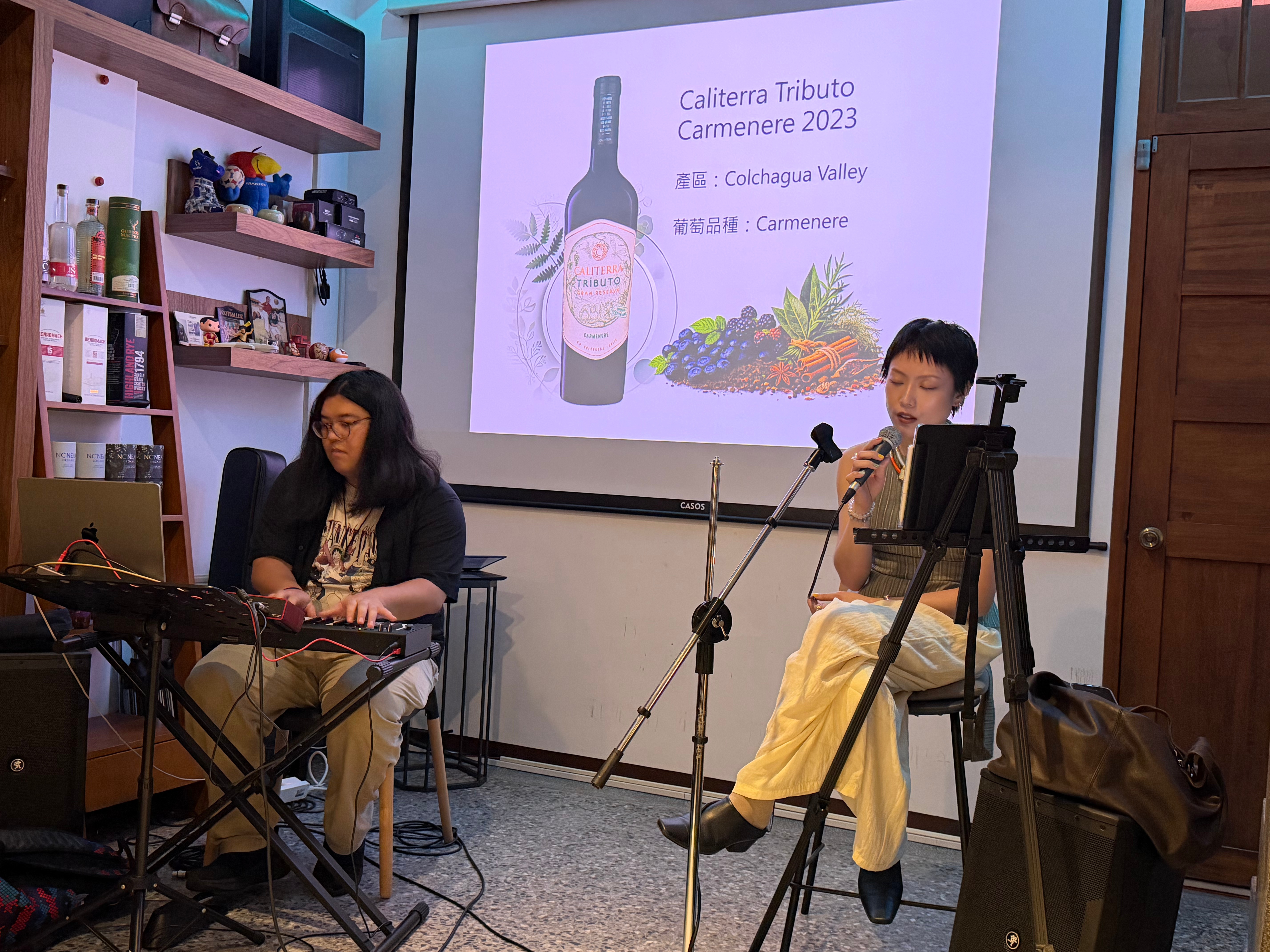


After the event, I had the opportunity to speak more with Steven about the philosophy behind House of Story Wear and tour the entire building floor by floor.
More Than a Store
House of Story Wear positions itself as a sustainable department store — though in reality, the project feels far more layered than that definition alone suggests.
The building is divided into two connected sections.
The first begins with The Gallery, an event and exhibition space regularly used for workshops, music nights, sustainability discussions, pop-ups, and community gatherings. Sustainable wines are also available for purchase here, reinforcing the project’s broader lifestyle approach beyond fashion itself.

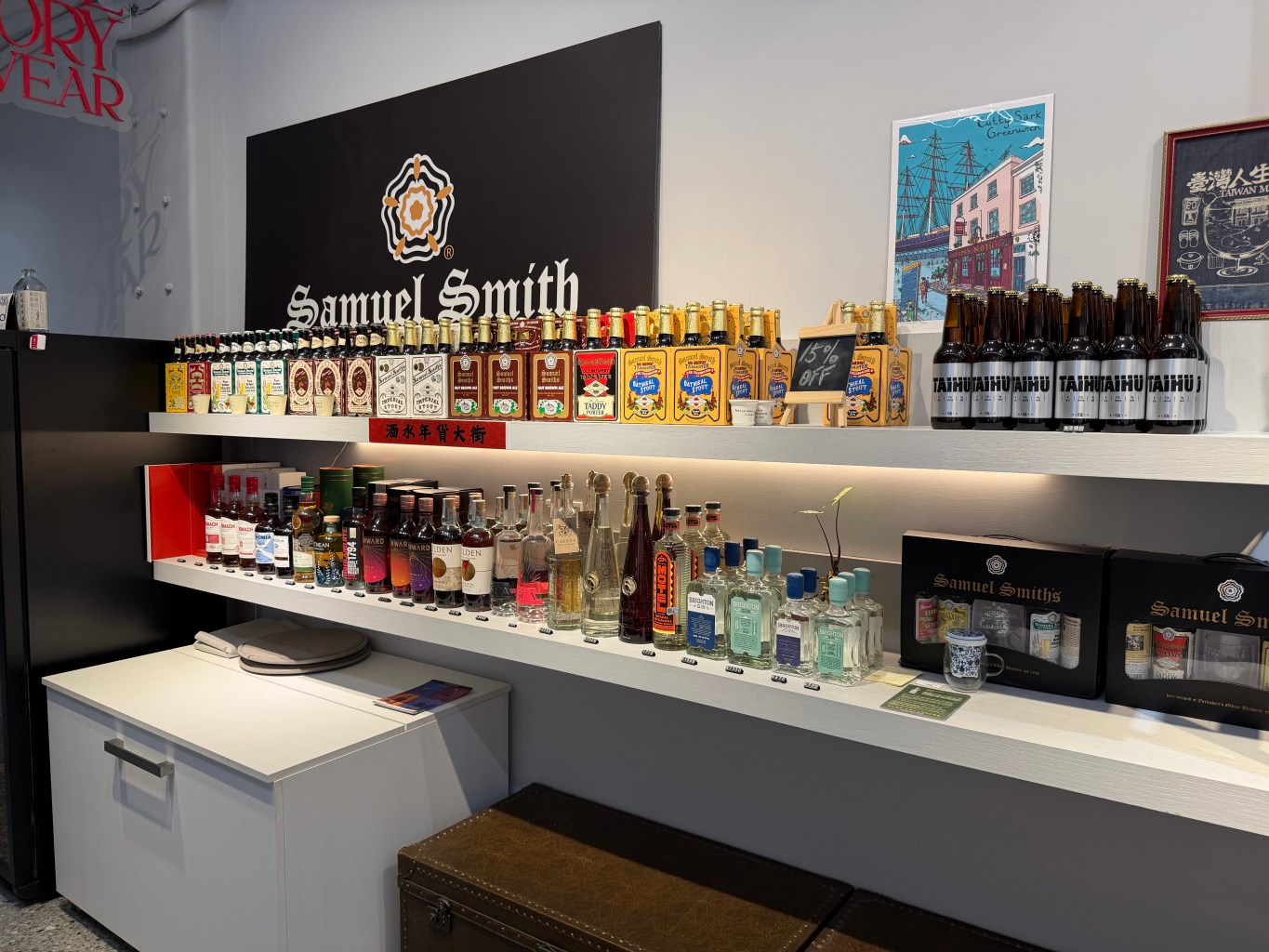
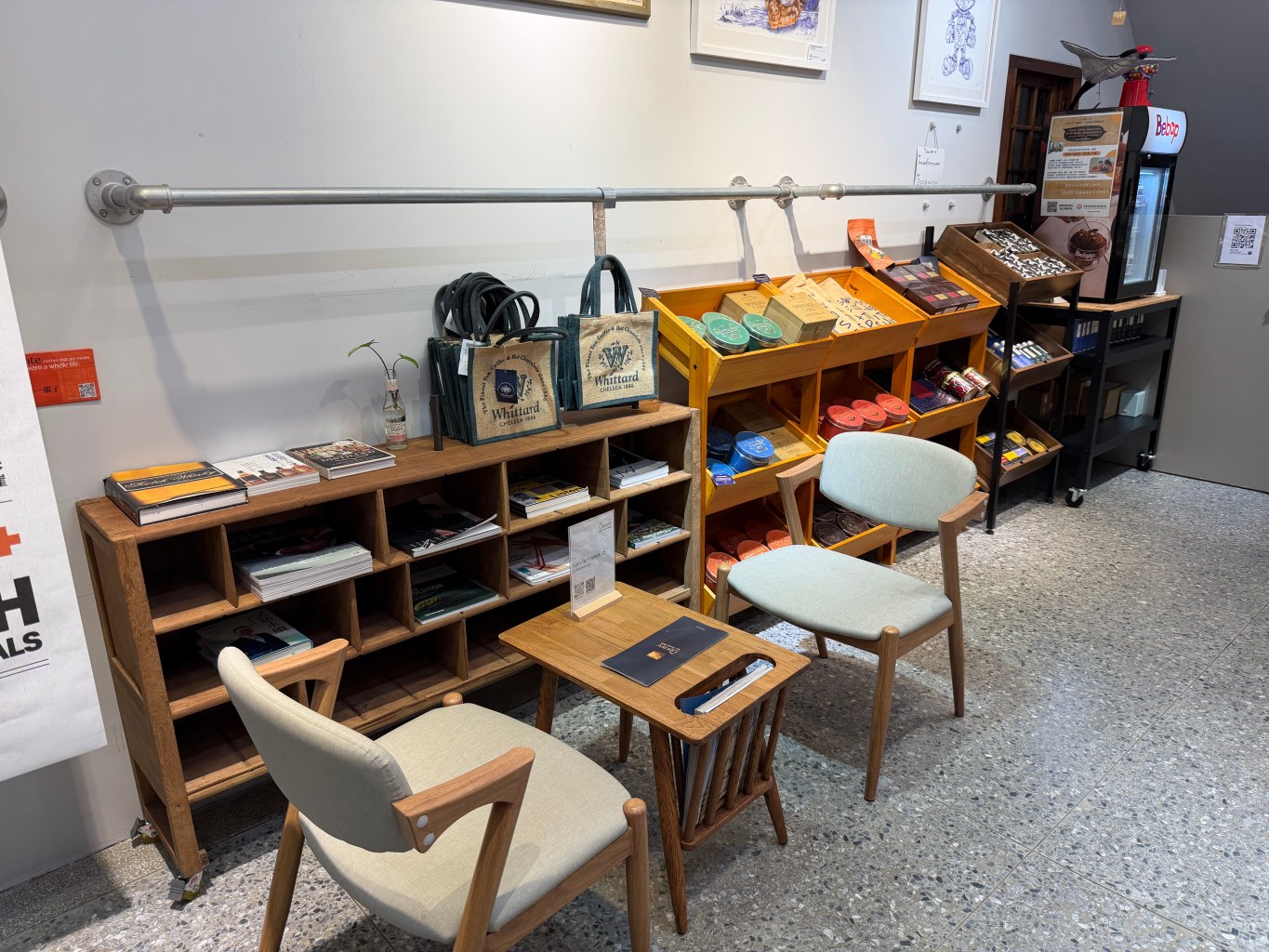
Upstairs sits The Library — a café, reading space, and bar designed for slower conversations and community interaction.
The second section houses The Parlour, focused more directly on sustainable fashion and lifestyle retail across three floors.
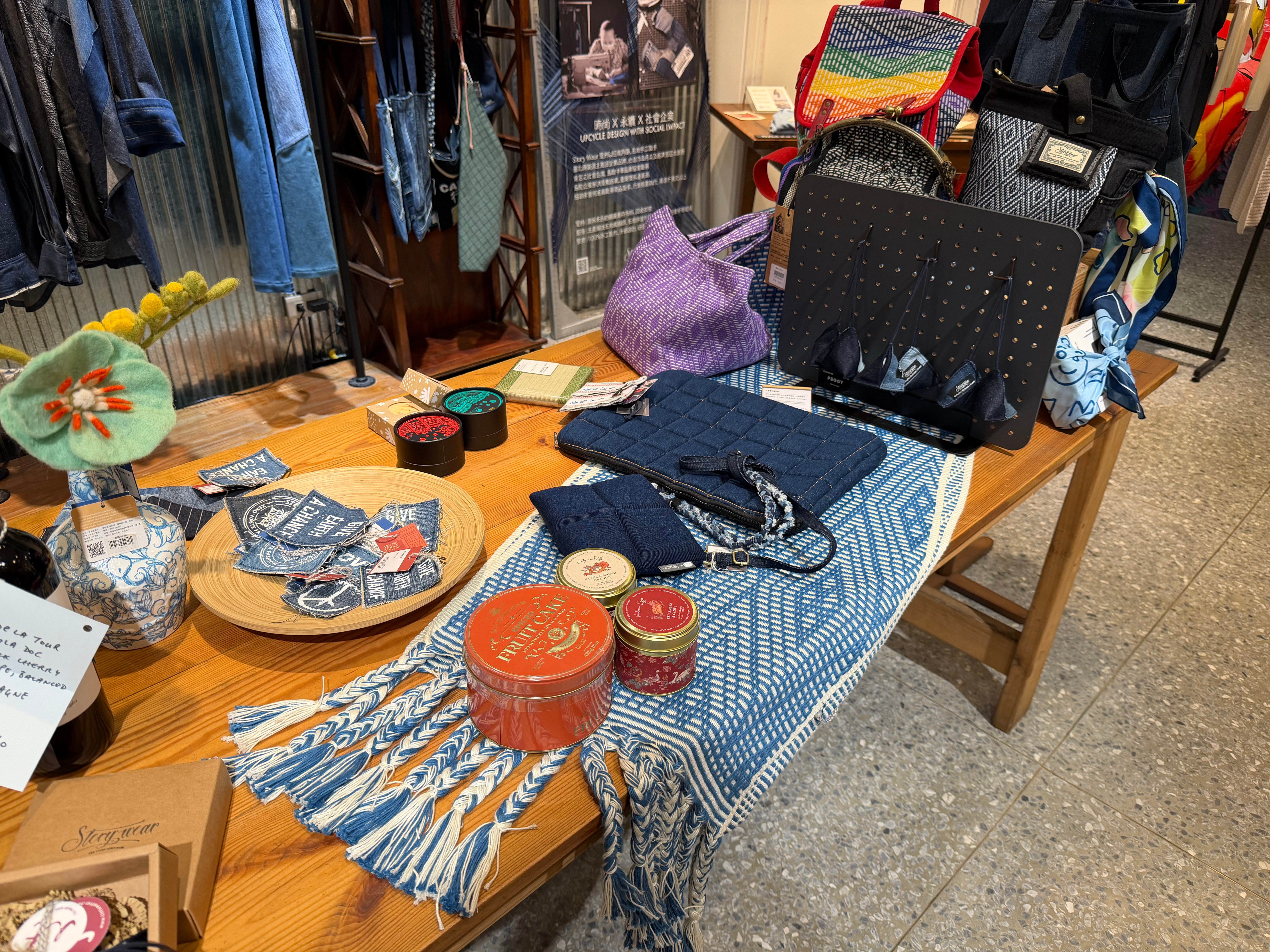
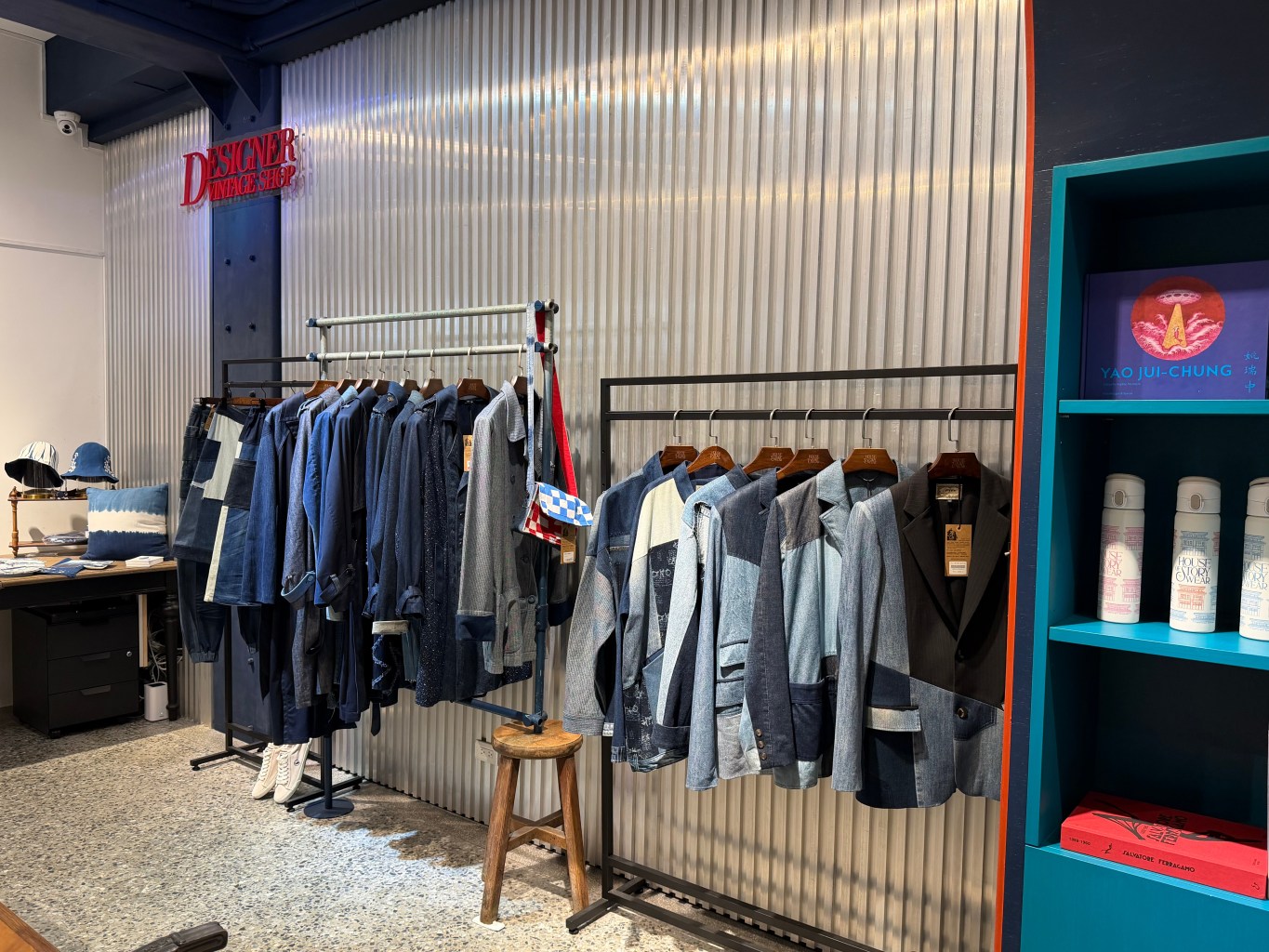
The first floor presents STORY WEAR collections alongside carefully curated Taiwanese and international brands while also introducing collaborations with initiatives such as Fashion Revolution Taiwan.


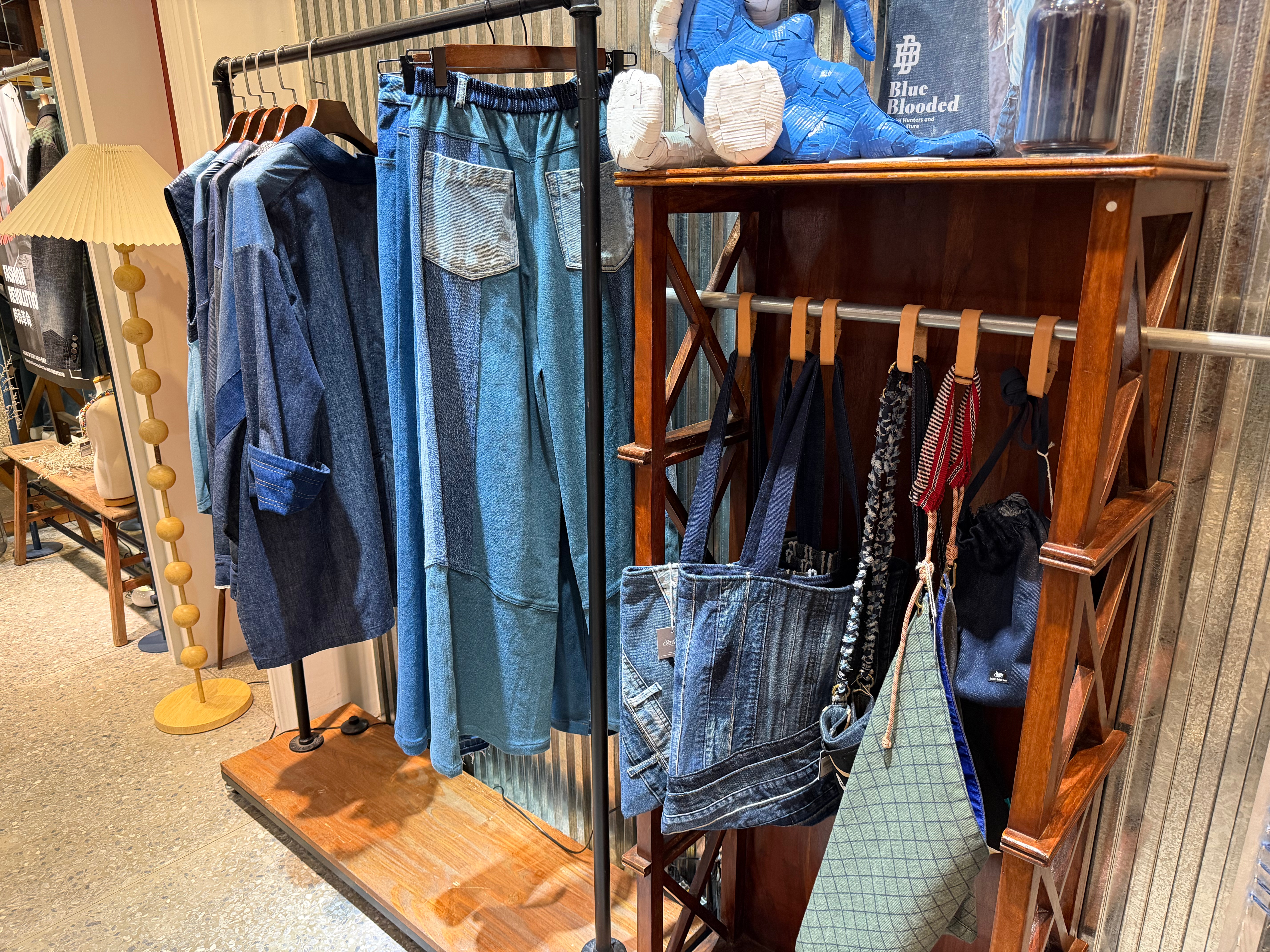


The second floor moves beyond traditional retail by offering designer clothing rentals for special occasions — presenting a practical alternative to the culture of single-use occasionwear.

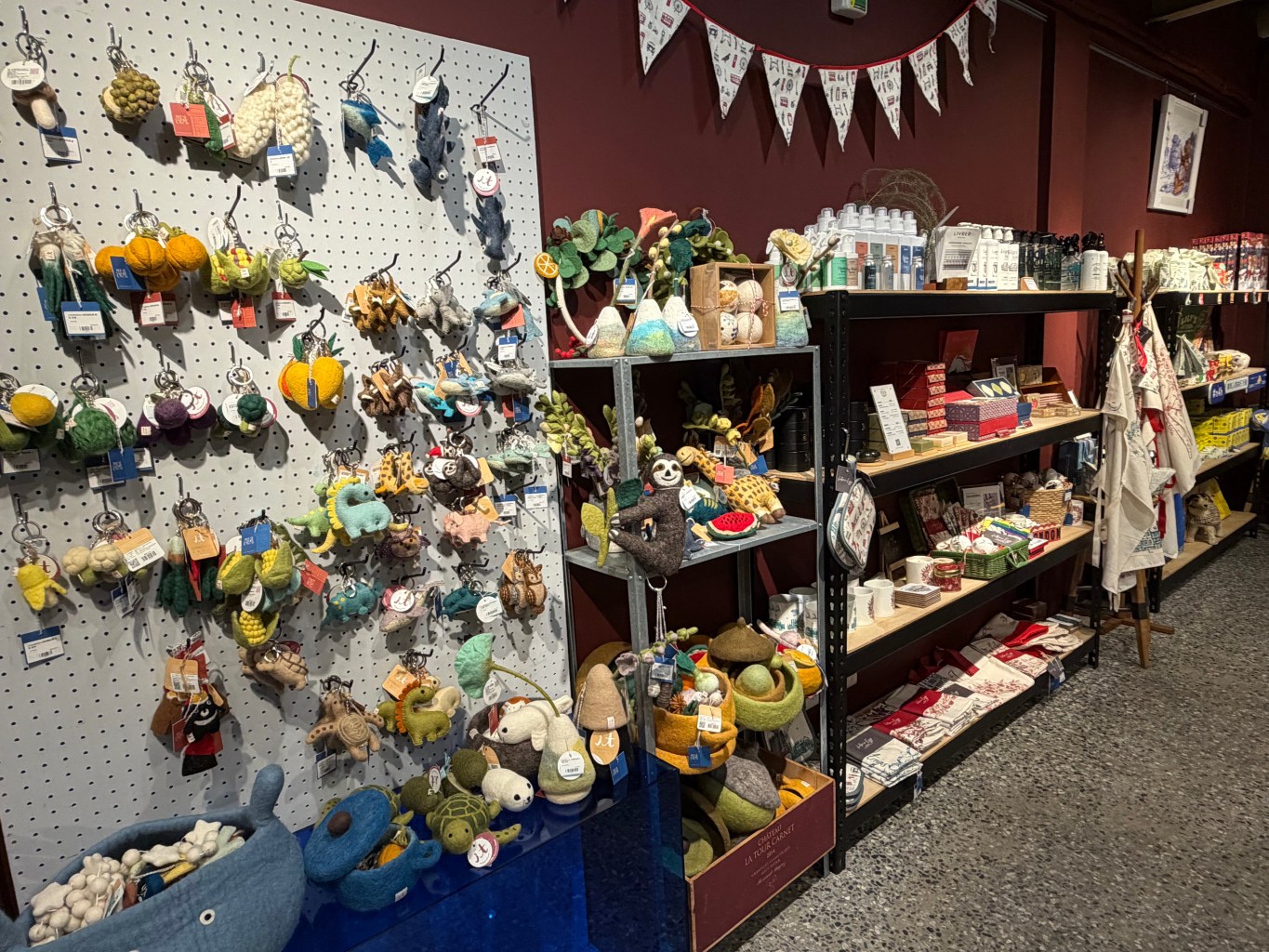
The third floor focuses on smaller accessories, lifestyle products, and homeware connected to slow living and conscious consumption.


Beyond retail, House of Story Wear also provides clothing repair services designed to extend garment lifespan. STORY WEAR items can be repaired and altered directly, while selected repairs are also available for garments from other brands.
Together, the space creates an ecosystem centered around reuse, repair, longevity, and community rather than constant replacement.
Sustainability as a System, Not a Trend
What makes House of Story Wear particularly outstanding is the way sustainability is approached as a wider curatorial philosophy rather than branding language alone.
Brands are selected according to environmental, social, and cultural impact principles — including zero-waste production, upcycling, recycled or deadstock materials, marine protection initiatives, ethical labor, craftsmanship preservation, and long-term durability.


Among the brands currently available are STORY WEAR, Rifo, Nudie Jeans Co, Tintoremus Studio, Livrer Yokohama, Indosole, Faith for Animals, Taiping Blue, O₂ Lab, and several others spanning fashion, ethical goods, homeware, and sustainable lifestyle products.


The same thinking extends into food and beverages, with sustainable producers such as Minmin Kombucha, Misha’s Vineyard, Brighton Gin, Starward Whisky, and Chang Coffee Co also forming part of the project.
According to the Story Wear Impact Report 2025, STORY WEAR remains Taiwan’s only fully zero-waste fashion brand. The report highlights milestones including:
- 1,523 upcycled denim garments produced
- 1,751 yards of deadstock fabric reused
- over 5.7 million liters of water saved through upcycled denim production
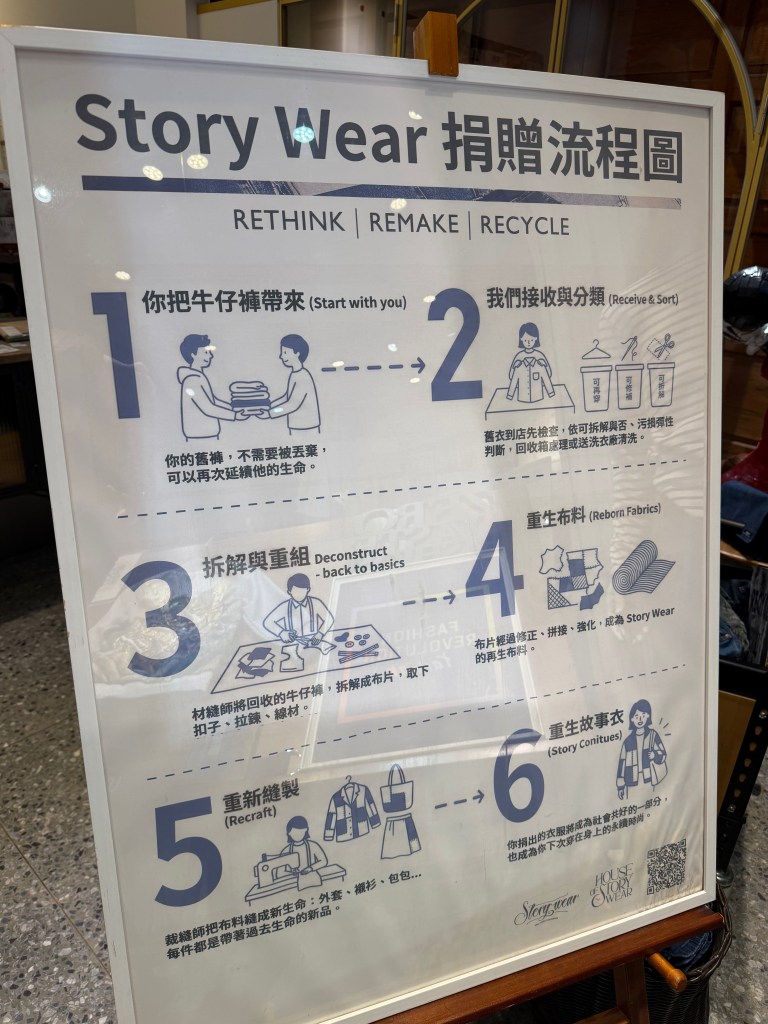


The brand also collaborates with organizations supporting disadvantaged communities and has directed substantial financial support toward Taiwanese NGOs and NPOs through partnerships and subcontracting initiatives.
Rather than presenting sustainability through abstract messaging alone, House of Story Wear grounds it in measurable systems, services, and everyday practices.
Fashion Revolution and the Future of Sustainable Retail
In April 2026, House of Story Wear officially joined Fashion Revolution Taiwan and has already hosted events connected to the initiative — a natural extension of its educational and community-driven direction.


What ultimately makes STORY WEAR and House of Story Wear stand out is that their idea of sustainability extends beyond fashion products themselves. It becomes visible in architecture, repair culture, rental systems, events, music, food, craftsmanship, and the way people interact within the space.
The STORY WEAR team also openly acknowledges the complexities surrounding sustainability and material sourcing. While the brand follows a cruelty-free principle, they explain that because they work entirely with recycled materials, very small traces of non-vegan particles may occasionally become mixed into the textile recycling process.
That honesty feels important.
Sustainability was never meant to be about perfection alone. At its core, it is about creating better systems, reducing waste, extending product lifespan, supporting communities, and rethinking consumption as part of a broader lifestyle.
And that is precisely what House of Story Wear appears to be building in the heart of Taipei.
More at www.houseofstorywear.com
Author

Discover more from Vegan Fashion Repository
Subscribe to get the latest posts sent to your email.