

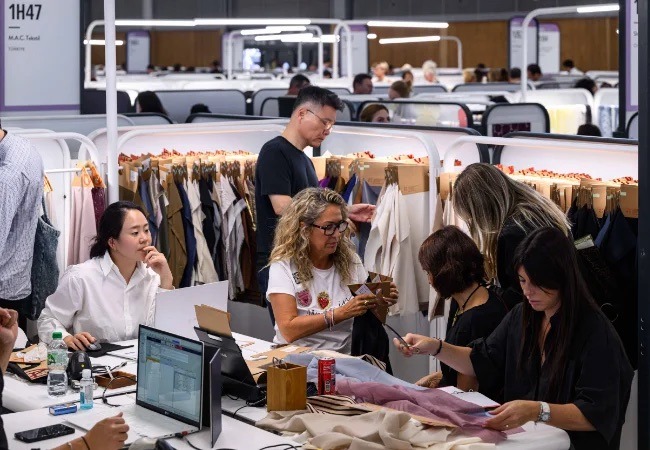
In September, we decided to divide and conquer. Cat went to Paris and Kaja went to London to spot the latest developments in vegan fashion and innovative materials, talk through the current challenges, and brainstorm what to do about them.
Première Vision Paris
The takeaway from Première Vision Paris Nord Villepinte, held from 1–3 September, was hardly a surprise: innovative plant-based alternatives with little to no synthetics are already ready to roll. The textures are there. The colours are there. Even the performance — so often mocked or looked at with suspicion — is there, with data sheets to prove it. And the range of bio-based source materials is expanding significantly beyond the well-known apples, grapes and corn, now including mango in an impressive range of colours and textures (Aamati Green); orange with particular plasticity (PEELSPHERE®); olive that has achieved a supple feel and persuasive weight that lands right in the middle between too light and expensively heavy (Oleatex); plant proteins (soy, corn, rice) with a new, captivating colour range and sensual feel (Uncaged Innovations); and two 0% PU / 0% PVC materials: a combination of cornstarch and rice/wheat bran with the desired elasticity (Alterskin®), and eucalyptus that can develop a patina effect similar to animal leather (Eori®).
Most of them can work within existing production processes, across price points from affordable to luxury, and some producers are even willing to supply just a few metres to get brands started.



So if the materials are ready, what exactly is holding them back?
Is it marketing? Established industry practices? Risk aversion? Or are we simply facing a disconnect between what customers say they want and what they actually buy? We do wonder whether we sometimes underestimate the difficulty of changing what we already know. Maybe that’s where the real challenge lies. Outside the vegan fashion niche, designers and brands are often reluctant to try new materials not because they have sworn fidelity to animal leather, but because unfamiliarity carries risk.
For smaller brands — statistically more willing to experiment, and often born from a founder’s firm belief in making ‘better’ fashion, however broadly defined — the issue is more often cost. Being able to collaborate on smaller quantities matters: testing a new material shouldn’t require a designer to open another line of credit just to afford the experiment.
For bigger brands, it’s the bulk supply that needs to be re-evaluated. And when push comes to shove, any marketing excitement around new materials cannot compete with the risk of clients hesitating over a purchase of something unfamiliar. The problem is not that leather alternatives are new — new is good, new makes people want to buy it — but that they are unfamiliar, which creates a risk both for businesses and for consumers.
The solution? Keep pushing. For new material innovators and developers, that means entering into collaborations that help people understand what is obvious to the developers themselves: that these materials can be shaped, draped and cut into pieces that are as breathtaking — or sometimes even more so — than animal leather. Work with designers. Reach out to those who are openly enthusiastic, but also to those who are not. Develop a way — and then a practice — of working with these materials as animal leather has been for millennia: as materials that can be shaped into beautiful things, and that are worth paying for.


Fashion is, after all, a game of seduction. First, you hook people with the beauty and allure. Then, only once they’re hooked, you shower them with technical details and data sheets. Never the other way around.
We’ve also stopped at BioWorks Japan — the company and technology behind PlaX™ plant-based synthetic fibres (PLA), which holds promise of overcoming issues that have, until now, hindered PLA’s popularity, such as poor durability and heat resistance, which has also hindered fibre dyeing. Last but not least, we stopped at Cotonea to discuss the still-dominant role of cotton in the global fashion and textile industry, as well as the obvious and hidden challenges within the supply chain. More to come very soon!
NEXMARKET at London Fashion Week
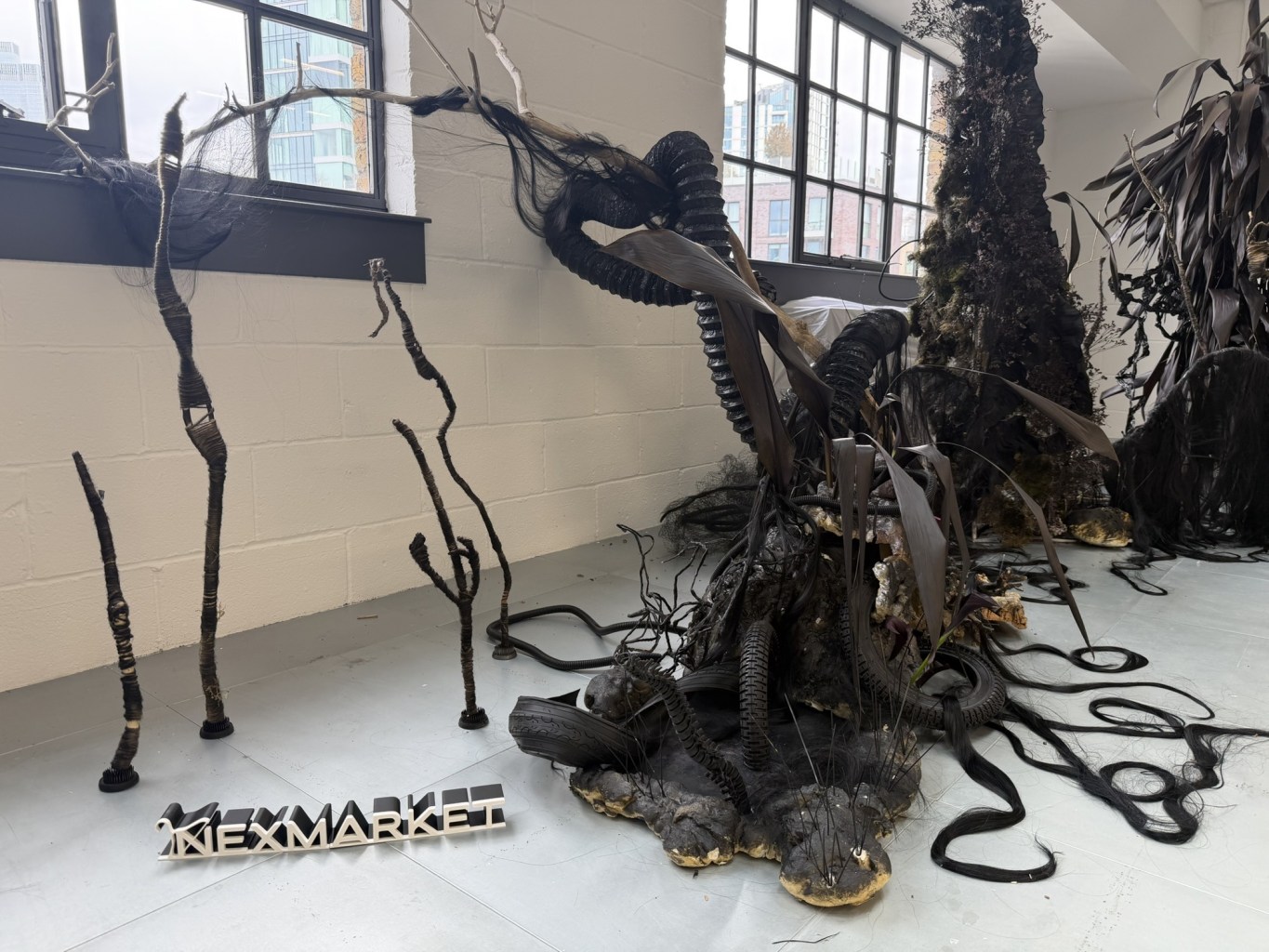
If Première Vision gave us a look at what is happening upstream — materials, suppliers and technologies — NEXMARKET brought us much closer to the finished product.


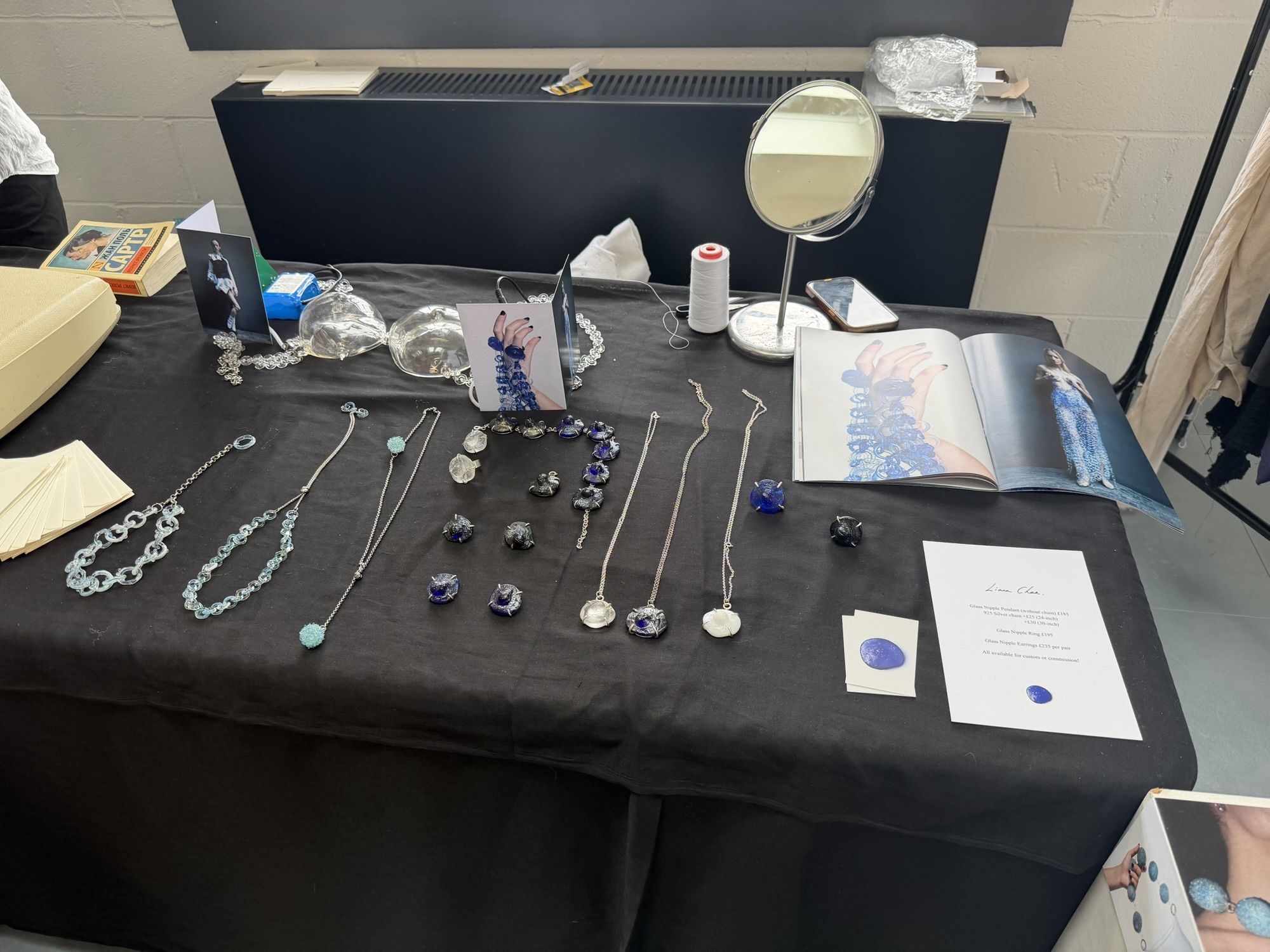
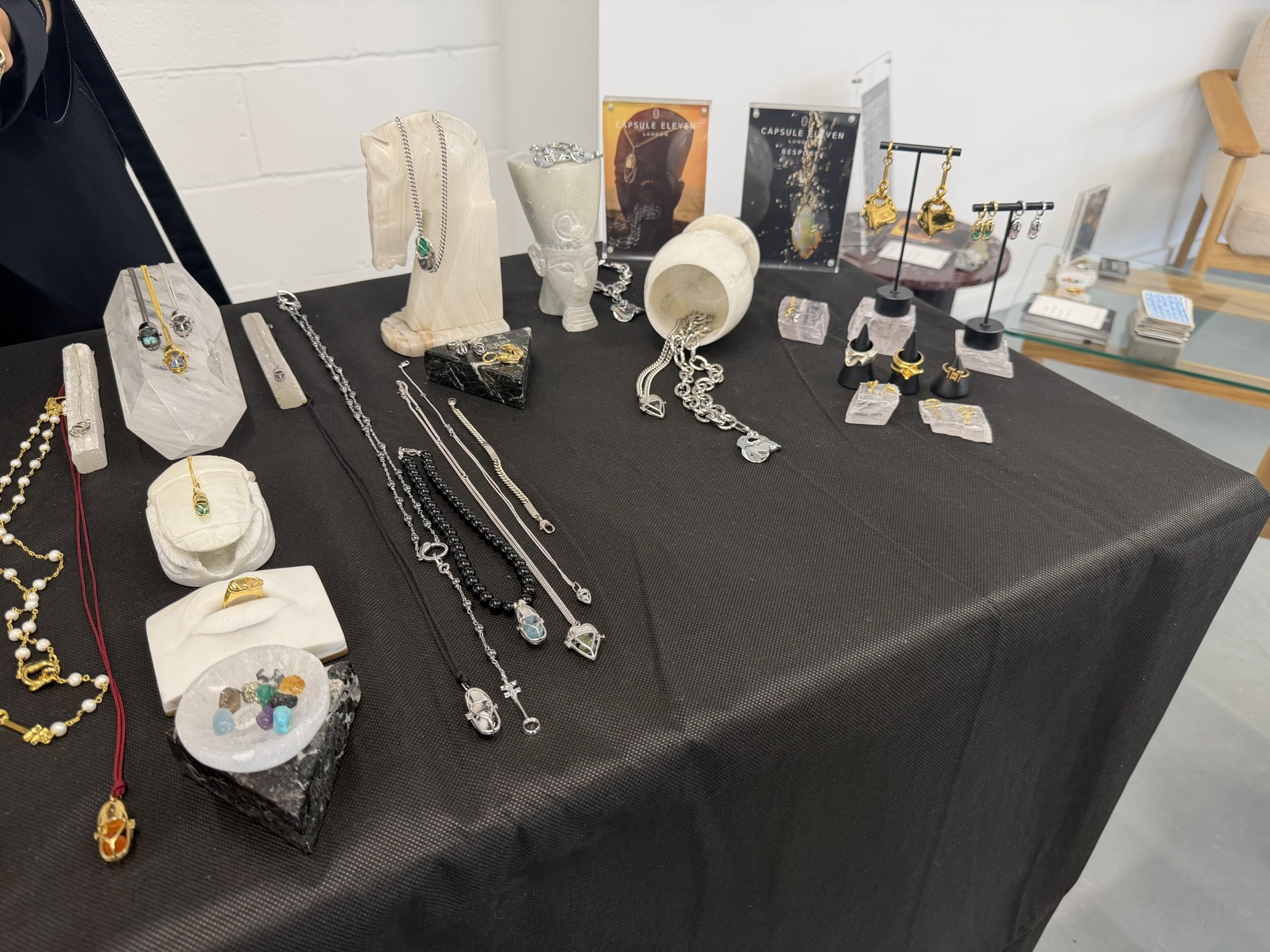
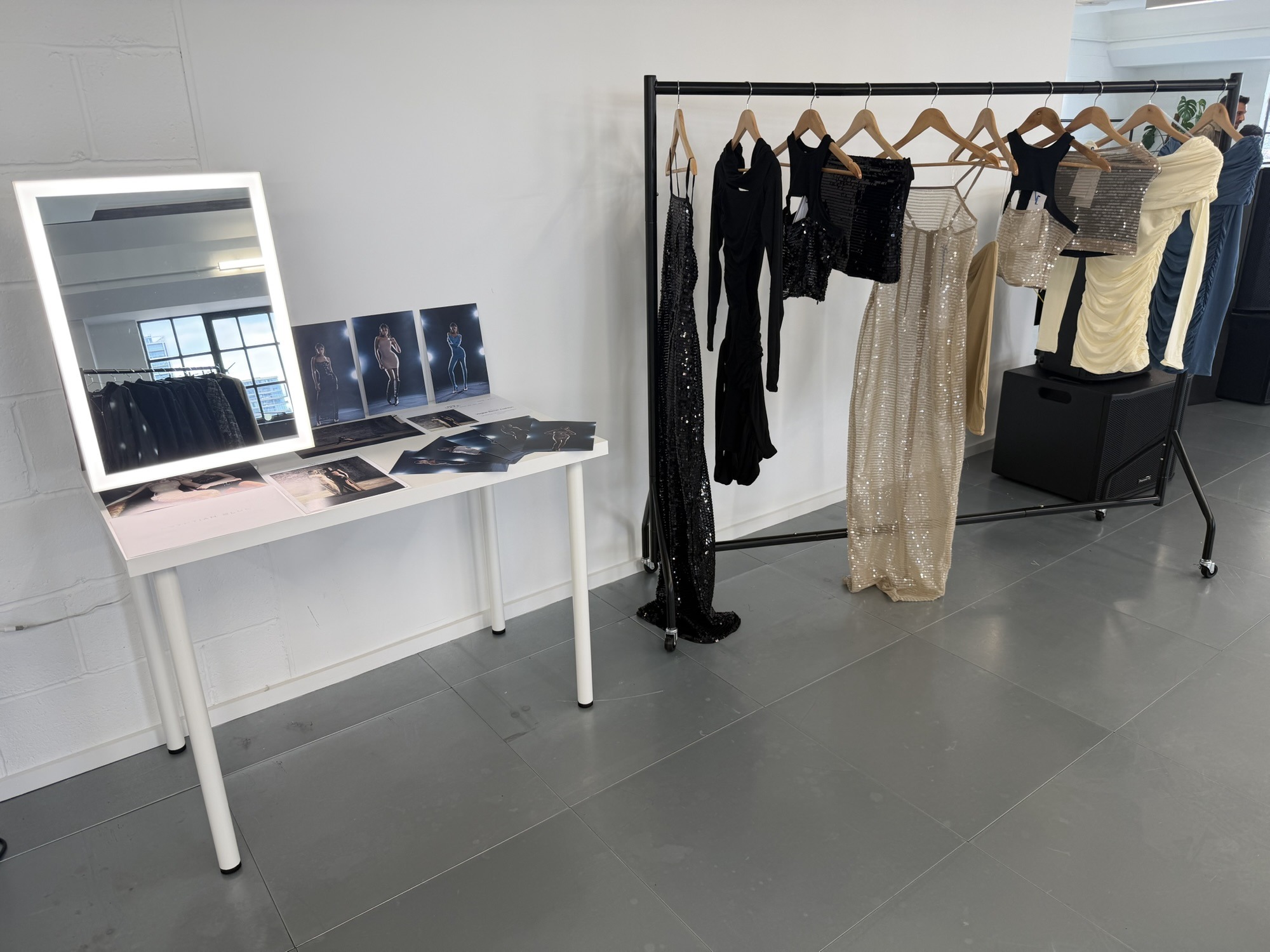


The London-based platform was founded by Youyou Zhou and Serena Lena as a meeting point for fashion, art, music and culture, with a particular focus on giving independent and emerging creatives space to show their work and connect directly with new audiences. The 19–20 September edition, held during London Fashion Week, combined curated pop-ups with fashion presentations, contemporary art and live performances.
Less of a trade fair and more of a cultural marketplace, Nexmarket provided an interesting reminder that innovation does not necessarily need to announce itself as innovation. Sometimes, it simply needs to become a good bag. Or, as it turns out, a very good perfume.
Anema


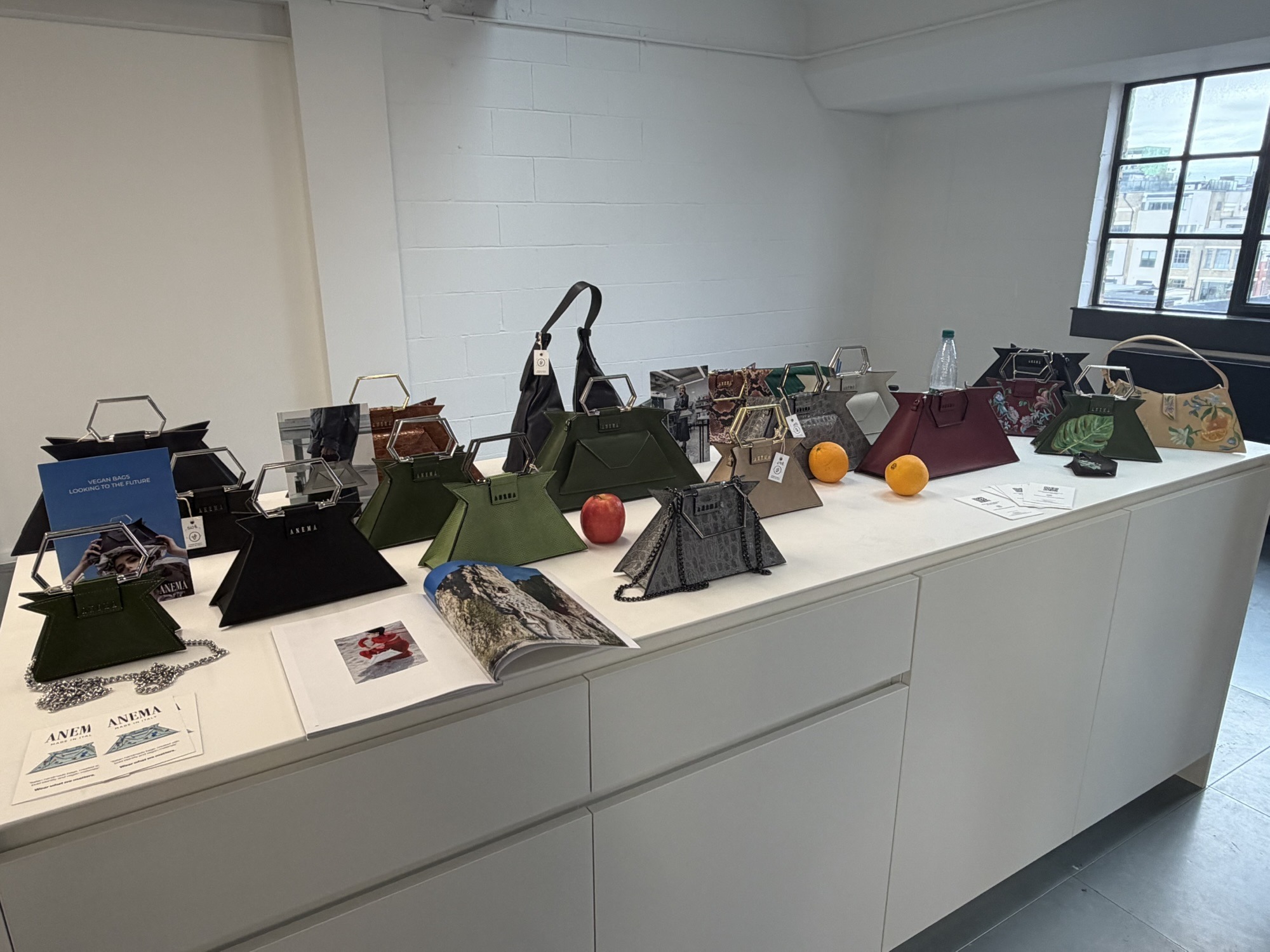
One of the brands we were particularly interested to see — and, importantly, try — was Anema, an Italian accessories brand working exclusively with animal-free leather alternatives. Anema’s bags are handcrafted in Campania and made to order rather than produced for stock, while its material palette includes cactus, apple and orange by-products, corn and hemp. The brand is also PETA-Approved Vegan.
We tried the Sibilla Maxi Moka Piton, a generously sized bag with a mocha python-effect finish. Except, of course, no python was involved. The material used for this particular model is based on orange by-products (Ohoskin®), while the bag itself is handmade in Italy.


And this is where things become interesting. The orange material is not simply fruit peel somehow compressed into a handbag. Anema works with material technology developed by Sicilian company Ohoskin®: citrus by-products from the food industry are processed into an orange-based biopolymer and combined with a resin system to create a durable material that can then be coloured, finished and embossed — including into textures traditionally associated with exotic animal skins.
In the case of the Sibilla Maxi Moka Piton, that ability to manipulate the surface is precisely the point. The python-like texture does not feel like a compromise or an apology for what the material is not. It becomes part of the design in its own right.
And perhaps that is exactly what we were talking about after Première Vision. Material innovation only gets us so far. Somebody still needs to turn those materials into objects people genuinely want to carry.
Anema is doing just that. Its approach also adds another useful layer to the discussion around waste: the bags are produced by hand after purchase rather than kept as inventory, limiting unnecessary production and unsold stock.
Charma Fragrance


Then came something slightly unexpected for a vegan fashion platform: perfume.
But Charma Fragrance makes a convincing case for why it belongs in the conversation. Rather than treating fragrance simply as a beauty product, the brand approaches scent much more like fashion — as something we put on, something that changes how we present ourselves, and something that becomes part of our identity before we have said a word.
That idea is also reflected in Charma’s own positioning around fragrance as “presence”. Its current Signature Collection consists of three extrait de parfums — Vanilla Glaze, Cherry Bite and Oud Sundae — designed to develop on the skin and, crucially, last.
We tried all three, and they were genuinely difficult to choose between.
Vanilla Glaze goes warm and gourmand with caramel, vanilla and musk; Cherry Bite is brighter and more playful, built around sour cherry, tonka bean and jasmine; while Oud Sundae moves into a darker register with passionfruit, oud, patchouli and saffron.
What united them was their staying power. All three lasted remarkably well, evolving rather than simply disappearing after the opening notes. And that matters because, if we are going to treat perfume as fashion, longevity becomes part of performance in much the same way that handle, drape or durability matter in a material.
It was also a good reminder of how broad the idea of fashion can — and perhaps should — be. Clothes and accessories construct part of the image. Fragrance adds something invisible to it.
And somewhere between an orange-peel python bag and a perfume worn almost like another layer of clothing, NEXMARKET demonstrated the other half of what we saw in Paris: once innovation leaves the material library, it has to become desirable.
Because ultimately, whether we are talking about a new textile, a handbag or a fragrance, the technical story may make us stay and ask questions.
But first, it has to make us want to come closer.
Authors


Discover more from Vegan Fashion Repository
Subscribe to get the latest posts sent to your email.