

For our September 2026 update, we are adding five vegan accessories brands to the Vegan Fashion Directory, with a particular focus on bags & small accessories. This month’s additions come from Germany, Belgium, Türkiye, and Italy, ranging from larger accessories labels to independent studios producing locally in small batches.
Alongside the brand directory, we have expanded our Fabrics, Textiles & Chemicals Directory with four new entries covering very different approaches to animal-free material development. These include fermentation-derived silk proteins, recyclable wool-like fibres, cellulose-based pigments, synthetic leather alternatives, and a family of materials incorporating mycelium, bio-based, recycled, and water-based components.
Together, the September additions reflect the range of solutions currently available across vegan fashion — from finished accessories to fibres, colour technologies, and materials designed to replace conventional leather, wool, silk, and other commonly used inputs.
In September 2026, we added the following vegan fashion brands to the Directory:
EMILY & NOAH (Germany)

Category: bags & backpacks, phone pouches, suitcases, evening accessories
Founded in 2015, EMILY & NOAH is a German accessories brand specialising in vegan handbags, backpacks, wallets, and travel accessories. The brand uses animal-free synthetic materials alongside textiles such as polyester and nylon, with selected products also incorporating paper-based and other alternative materials. Its products are designed in Germany and manufactured through overseas production partners, with development and quality control supported by the company’s office in China.
FJORDSON (Belgium)

Category: watches & watch straps
Founded in 2017, Fjordson is a Belgian watch brand producing vegan watches and interchangeable straps. Its collections combine stainless steel cases and sapphire crystal with animal-free strap options including synthetic vegan leather, nylon, rubber, and metal mesh. The watches are manufactured, assembled, and inspected in Switzerland and carry the Swiss Made designation.
LUBAY (Belgium)
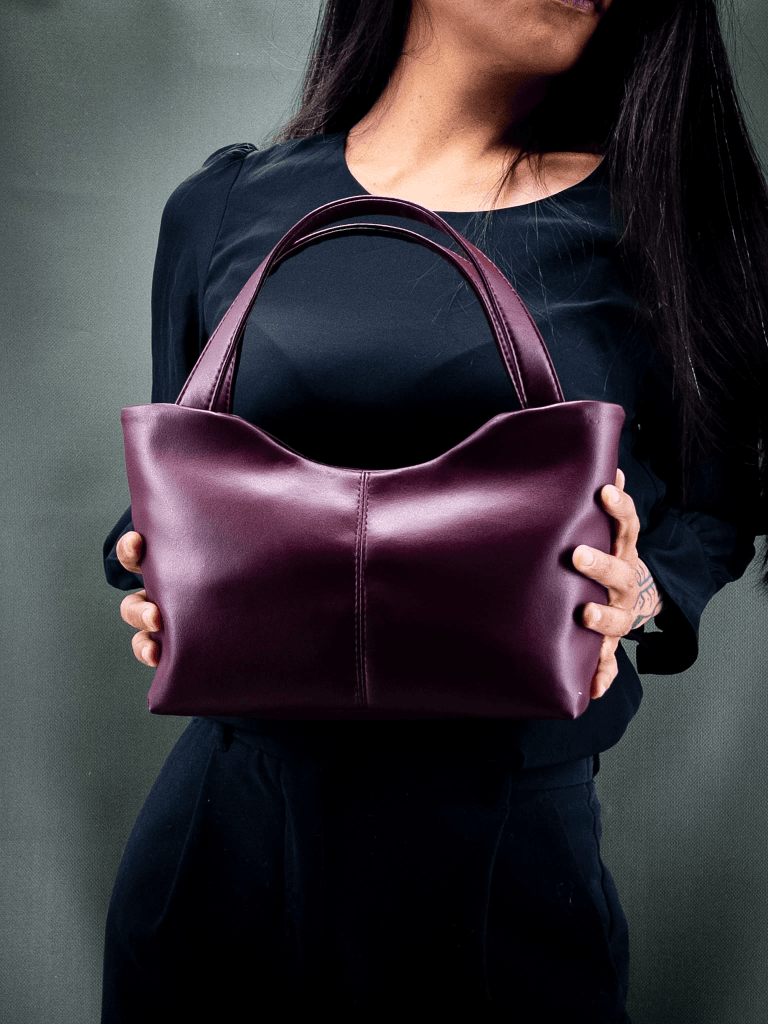
Category: bags, wallets, purses, cardholders & pouches, laptop & phone bags, evening accessories
Founded in 2021 by Soho Francotte, Lubay is a Belgian accessories brand producing vegan handbags, backpacks, work bags, and small leather-goods alternatives. All products are designed and handcrafted in the brand’s own studio in Baillamont, Belgium, in small batches without outsourced production. Lubay works with materials including apple-based LEAP®, grape-residue-based VEGEA®, certified cotton, and natural cork.
Owlish Studio (Türkiye)

Category: bags, cardholders, laptop sleeves
Founded in 2024 by Kübra Engin Hoşver and Doruk Hoşver, Owlish Studio is a Turkish handbag and accessories brand based in Istanbul. The label produces 100% vegan bags and small accessories using next-generation plant-based materials, including olive-based and lignin-based leather alternatives. Its products are handcrafted in Türkiye using traditional leatherworking techniques by artisans from a workshop with three generations of experience.
PITTI VINTAGE (Italy)

Category: bags, wallets, cardholders & pouches, jewellery, phone pouches, evening accessories
Founded in 2005, Pitti Vintage is an Italian accessories brand based in Florence, established by designer Graciela Avendano together with Luigi Capeto. The label produces handcrafted vegan handbags and small accessories, made locally in Italy. Its collections draw on vintage aesthetics while using animal‑free materials such as pineapple‑based Piñatex®, recycled plastics, and other alternatives to leather. Pitti Vintage operates as an independent, online‑only brand, with production carried out in small batches.
In September 2026, we updated the Fabrics & Textiles Directory with the following entries:
AMSilk (Germany)
AMSilk Silk Protein Yarns are lab-grown silk protein fibres produced through precision fermentation and wet spinning. The yarns are bio-based, recyclable, and biodegradable under OECD 301B testing conditions and are designed for textile applications including fashion, accessories, automotive interiors, and luxury apparel. AMSilk materials are certified to OEKO-TEX® Standard 100 and by The Vegan Society.
Polylana® (Netherlands)
Polylana® is a bi-component polyester fibre developed as an alternative to acrylic and wool-like fibres. It is acrylonitrile-free, traceable, 100% recyclable, and designed to replicate the soft hand feel of traditional wool. Polylana® can be used in knitted and woven textiles, as well as faux fur applications.
Sparxell (UK)
Sparxell pigments are plant-based pigments made from cellulose using bio-inspired structural colour technology. The pigments are biodegradable, plastic-free, and free from mica, titanium dioxide, and synthetic dyes. Sparxell are available as pigment powders, glitters, sequins, and films for applications including fashion, accessories, cosmetics, packaging, paints, and coatings.
Yatay™ (M, Z, B, R, W, C) (Italy)
Yatay™ is a range of leather alternatives designed for applications including footwear, leather goods, apparel, automotive interiors, and upholstery. The range includes Yatay™ M, made with mycelium-based materials; Yatay™ Z, featuring solvent-free materials; Yatay™ B, made with bio-based materials; Yatay™ R, incorporating recycled materials; Yatay™ W, using water-based PU materials; and Yatay™ C, a recyclable monocomponent biomaterial. Depending on the material line, the range uses certifications including USDA, FSC, and GRS.
From Materials Directory to Designer Practice
With several new material technologies joining the Directory this month, we will soon be taking the conversation beyond the database and looking at what working with these alternatives actually means for designers.
On 2 October 2026, from 17:00–18:00 CEST, as part of Sustainable Fashion Week 2026, Vegan Fashion Repository will host the online panel New Materials, New Possibilities: Designers Discuss Creative Opportunities with Bio-Based Materials.
The discussion will bring together Sarah Regensburger, Emilija Balsyte of BALSAIS, Paras Doshi of Doshi, and Wiola Wiertel of Bohema Clothing to talk about their hands-on experience with next-generation materials — from how they influence form, texture and construction to the practical opportunities and challenges that come with introducing them into fashion products.
Rather than looking only at sustainability credentials, we want to explore these materials from a designer’s perspective: what can they actually enable creatively, and how does designing with them differ from working with conventional materials?
The panel is free and online, so join us live on 2 October.
You can find the full programme, panelist information and links to join the event here.
If your vegan brand isn’t yet featured in our Directory, feel free to contact us at hello@veganfashionrepository.com
Author

Discover more from Vegan Fashion Repository
Subscribe to get the latest posts sent to your email.