


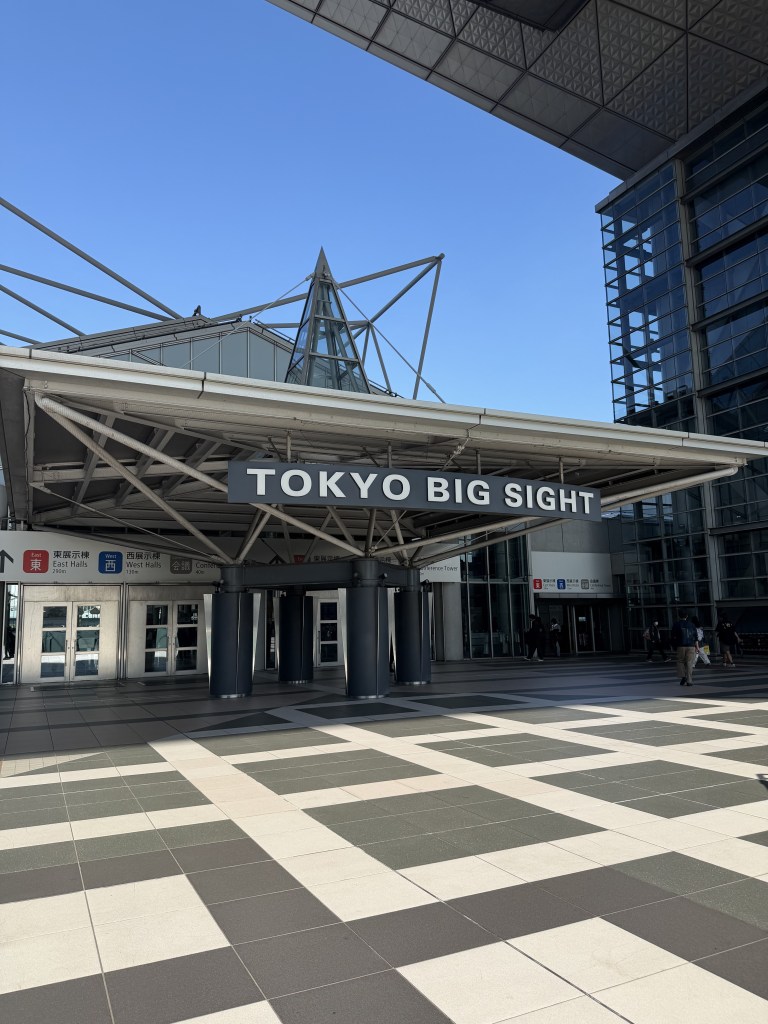
On 9 October 2026, I visited FaW TOKYO (Fashion World Tokyo) at Tokyo Big Sight, one of Japan’s major fashion trade shows. The event brings together brands, manufacturers, textile suppliers and technology providers, offering a chance to explore materials and products that could shape the future of fashion.
Some of the most interesting conversations centred on alternatives to conventional leather, recycled textiles and next-generation fibres. While these innovations are promising, seeing the materials in person also highlighted an important question: how do we move from promising material concepts to products that are desirable, practical and genuinely better alternatives?
Appcycle: Giving Apple-Processing Residues a Second Life


One of the most interesting stops was Appcycle, a Japanese company developing RINGO-TEX, an alternative leather material that incorporates apple-processing residues alongside other resources.
I spoke with the team and had the opportunity to see the materials up close. What particularly caught my attention was how soft the material looked, especially when used on a coat. Developing leather alternatives for apparel can be challenging: a material may work well for accessories but feel too stiff or unsuitable for garments. Seeing a softer-looking option designed for clothing made me curious about its potential applications.
According to the company, some RINGO-TEX formulations can reduce the use of newly derived petroleum-based materials by up to 74%. The company also highlights performance testing against Japanese Industrial Standards (JIS), as well as applications spanning fashion, interiors and other goods. Its projects include aircraft headrest covers for ANA’s Green Jet and other applications developed with business partners.
Appcycle also offers OEM/ODM development and supports prototyping and small production lots, potentially making the material more accessible to brands that want to explore new alternatives without immediately committing to large orders.
There is, however, an important distinction for vegan fashion: not every material in the RINGO-TEX family can automatically be considered fully vegan. Some formulations may incorporate resources such as scallop shells, so the precise composition of the individual series needs to be checked before making vegan claims.
This is a useful reminder that a plant-based ingredient or a material marketed as an alternative to leather does not automatically make the finished material vegan. Brands need to look beyond the headline ingredient and verify the full formulation.
Project 1907: Recycled Materials for Everyday Products


I also had the chance to speak with the team from Project 1907, a Korean brand working with recycled resources to create everyday products.
Among the items I saw and touched, the bags and wallets made with coffee-ground-based leather particularly stood out. These products offered a tangible example of how waste-derived resources can be incorporated into familiar accessories, where material appearance, texture and usability all play an important role.
The brand also works with PLATEX, a textile made from 100% recycled PET, produced in South Korea. The company highlights features such as water-based coatings, fluorine-free water repellency and relevant recycling and textile-safety certifications.
Project 1907’s broader range includes bags, pouches and other products that bring recycled materials into everyday use. Seeing the finished items helped connect the material story with something consumers can actually carry and use.
As with other material innovations, the details matter. Recycled content, bio-based content and vegan status are separate considerations. The composition of each material, together with its coatings, finishes and other components, should be verified before making specific claims.
Naia by Eastman: Cellulosic Fibres for Fashion
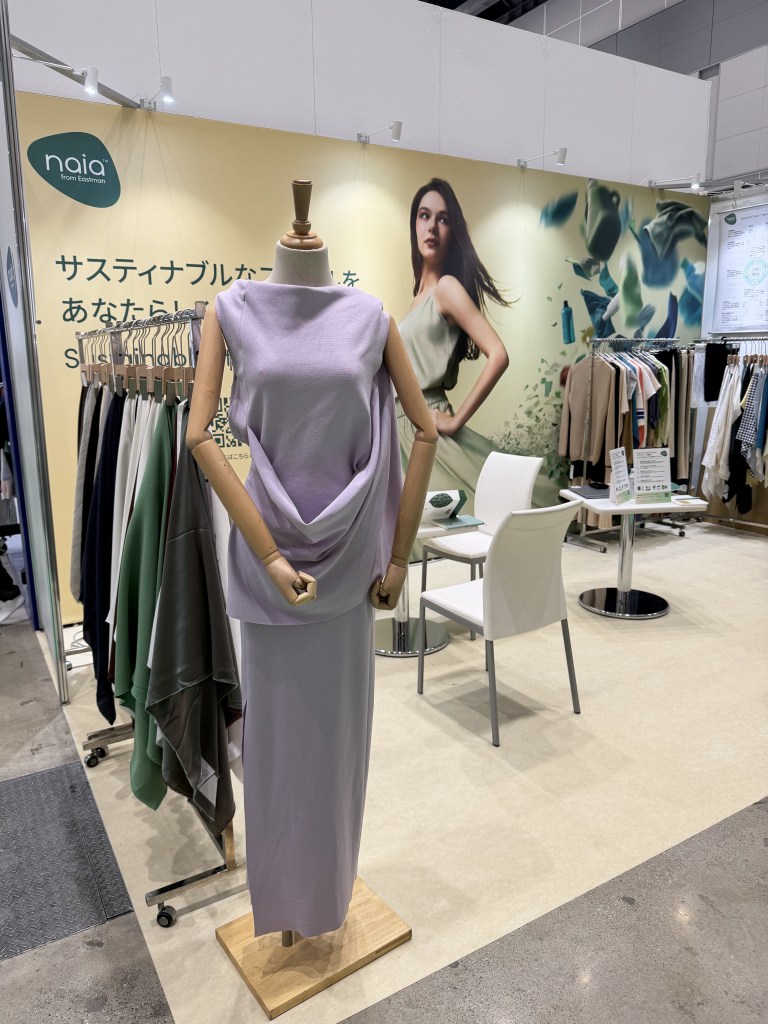

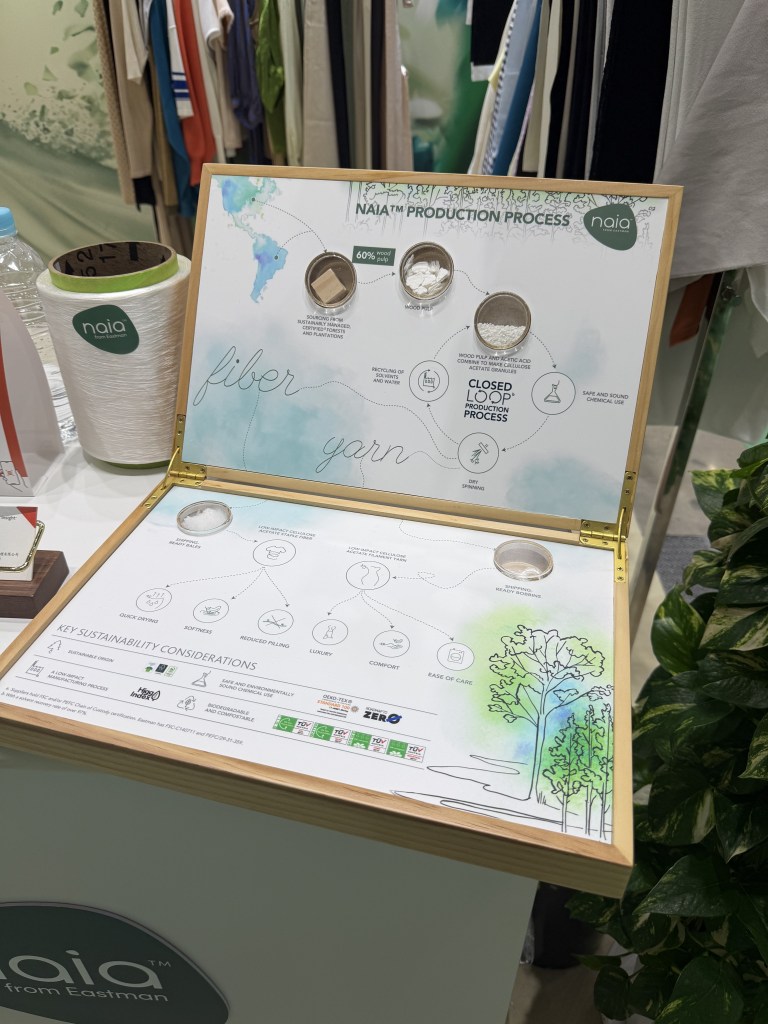
Naia, developed by Eastman, was another familiar name at the show. The brand is already included in the Vegan Fashion Repository Directory, and I made a brief visit to its booth.
Naia offers cellulosic fibres made using wood pulp, with different product lines designed for textile applications. Naia Renew, for example, combines 60% sustainably sourced wood pulp with 40% certified recycled waste material through a mass-balance approach.
The company also highlights its closed-loop solvent process and the fibres’ potential applications in apparel and home textiles.
Cellulosic fibres can offer designers another route beyond conventional synthetic materials, but their environmental performance depends on more than the fibre name alone. Sourcing, processing, fabric construction, garment durability and end-of-life options all contribute to the bigger picture.
For brands evaluating alternatives, the practical question is not simply whether a fibre has a different origin, but how it performs in the finished product and what its complete production system involves.
Thermore: Rethinking Insulation Through Textile Recycling


I also briefly visited Thermore, another company already featured in the Vegan Fashion Repository Directory. Thermore develops thermal insulation for clothing, including alternatives made with recycled materials.
One product of interest is Ecodown Fibers T2T, which uses a blend of 80% post-industrial textile waste and 20% post-consumer PET bottles. The insulation is made from recycled polyester and is GRS certified.
Insulation is an important area to watch because it can be less visible to consumers than an outer fabric, yet it plays a significant role in a garment’s composition and functionality. Recycled textile waste can offer a route to keeping existing resources in use, while post-consumer recycled content provides another use for materials already in circulation.
At the same time, recycled polyester remains a synthetic material. Recycled content is an important data point, not a complete sustainability assessment. Durability, fibre shedding, care requirements and the possibility of further recycling also deserve consideration.
Bioworks: Continuing to Develop PlaX

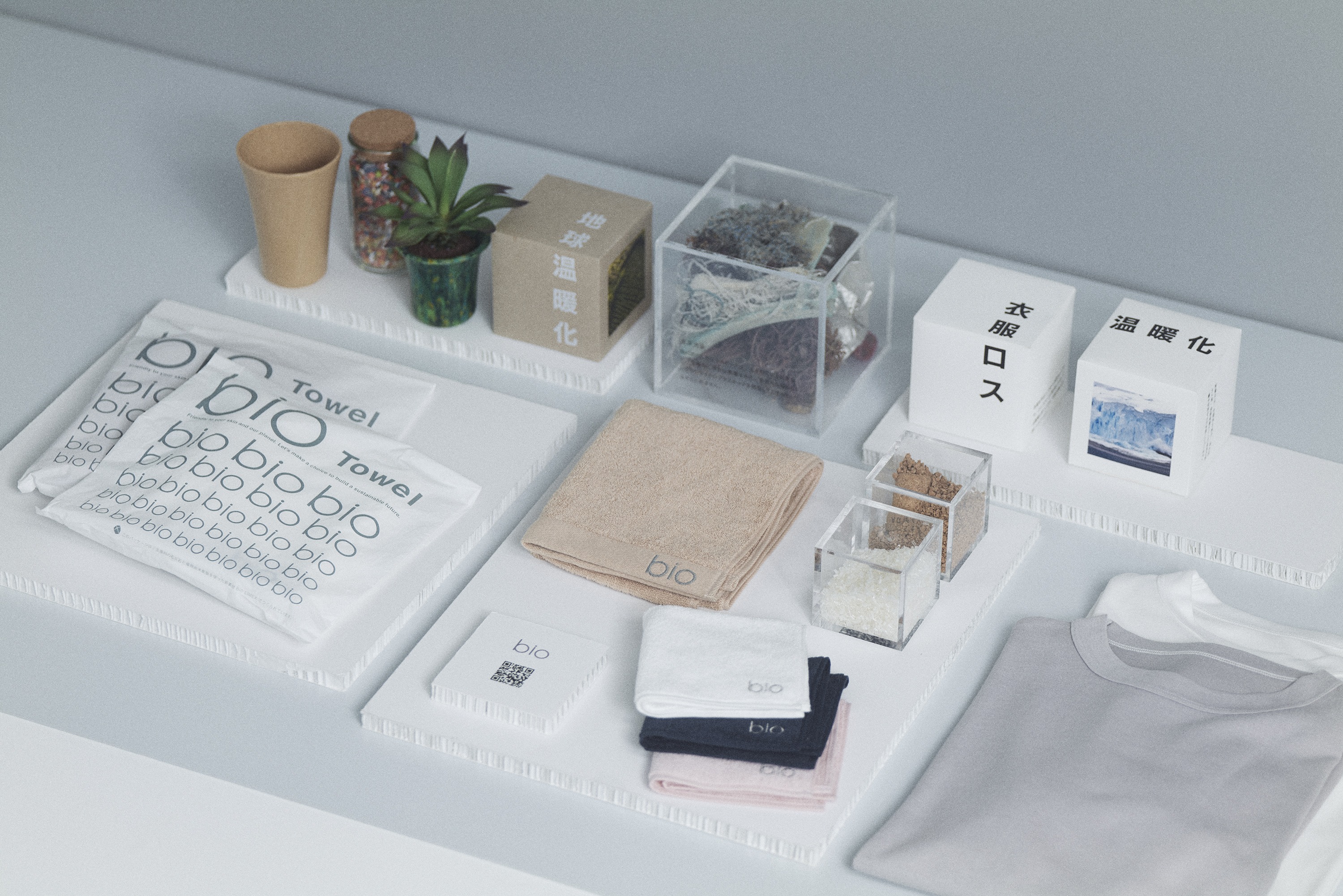
Although Bioworks was not exhibiting at FaW TOKYO, I had the opportunity to meet its team during the event. Cat, meanwhile, had visited the company’s booth and spoken with the team when Bioworks exhibited at Première Vision Paris.
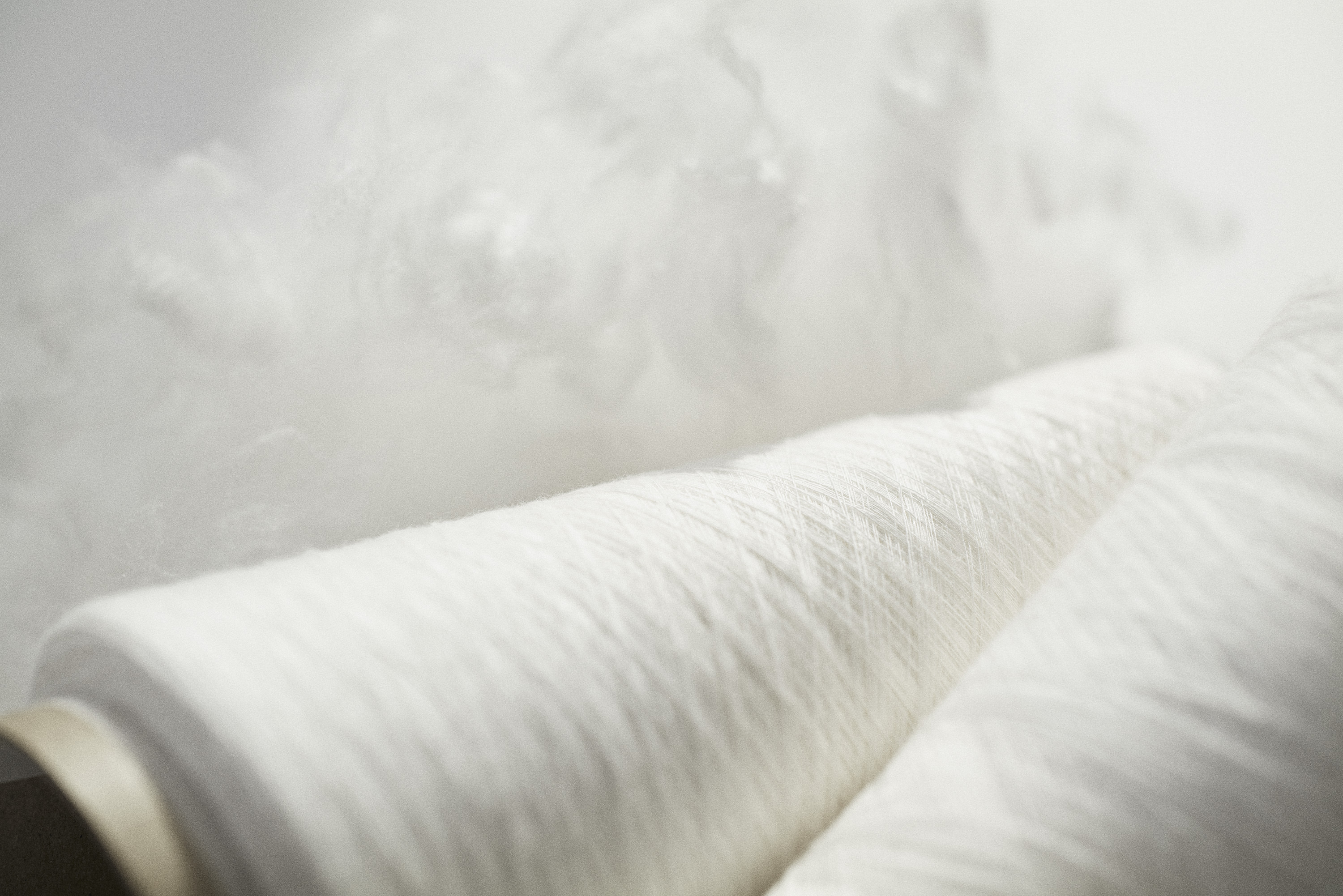
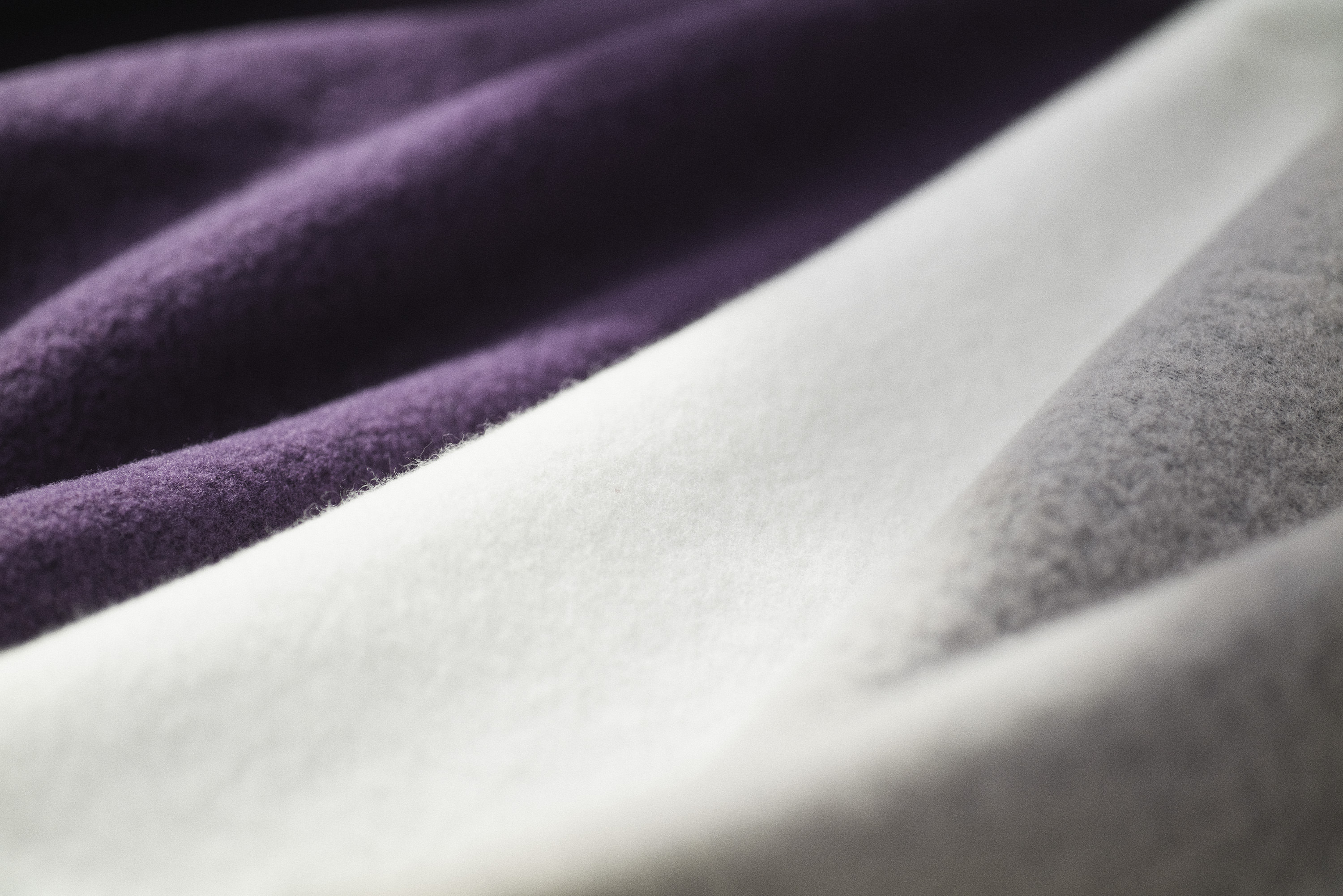
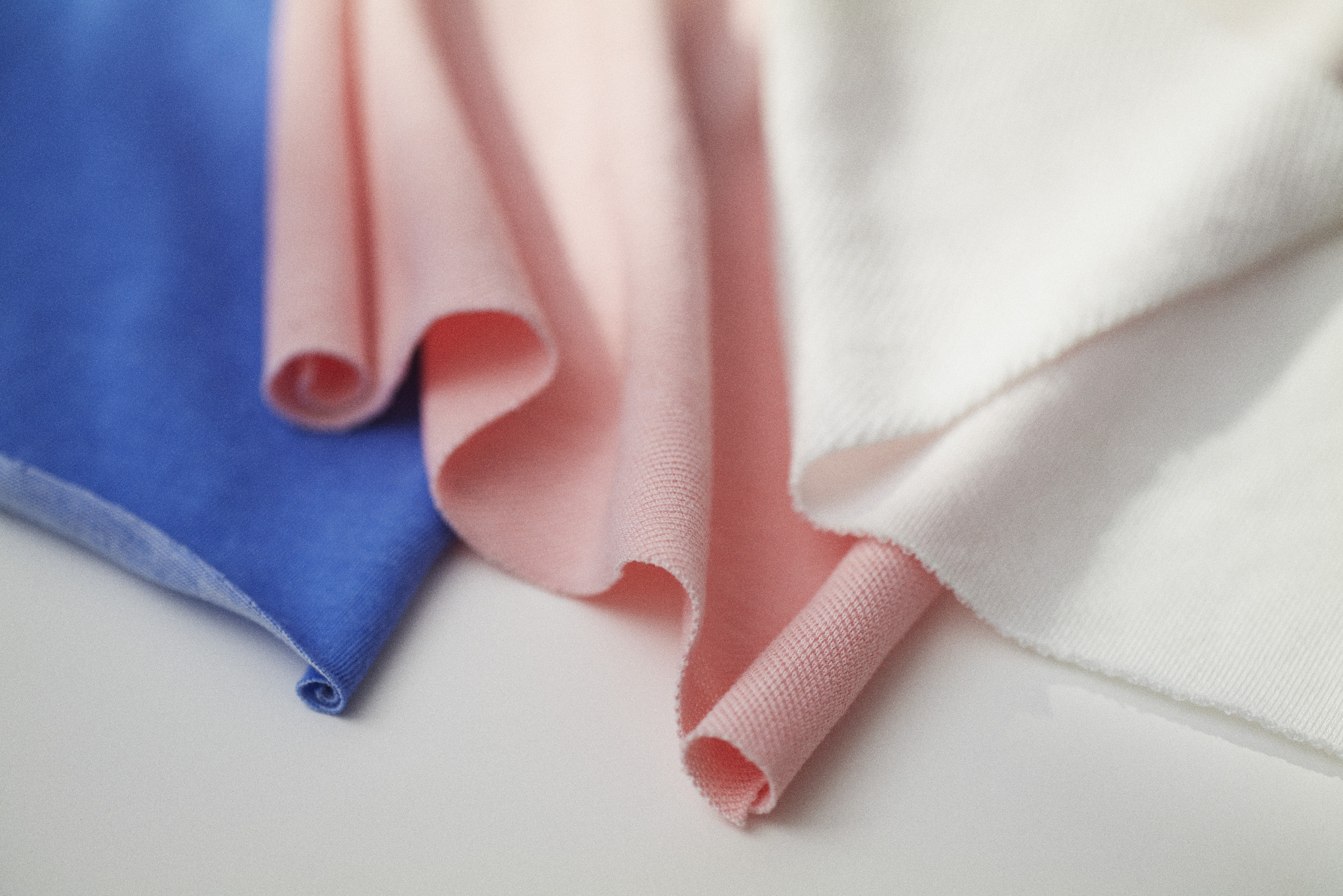
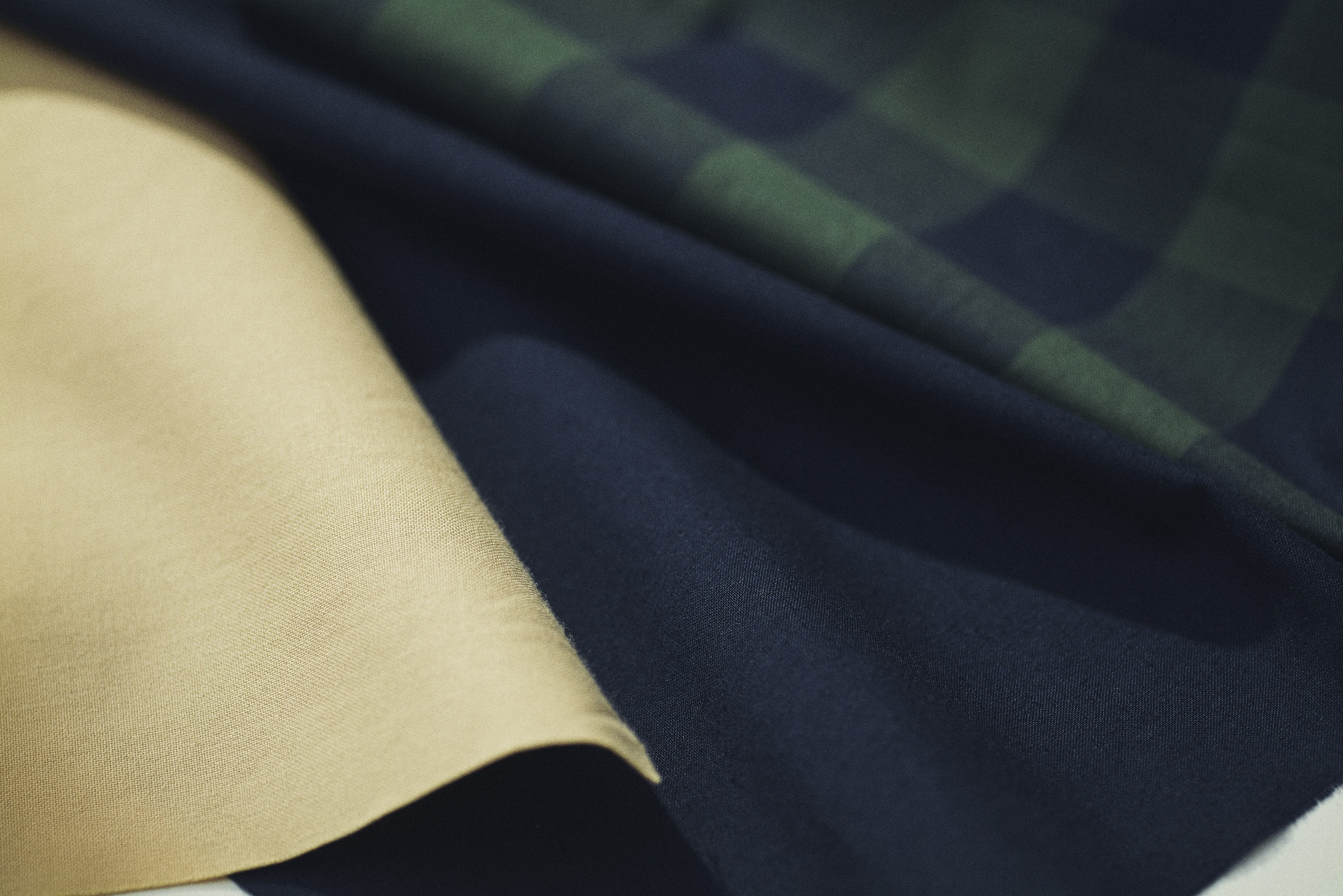
Bioworks is developing PlaX, a plant-based PLA fibre technology designed to address some of the limitations associated with conventional PLA, including durability, heat resistance and dyeability.
What I find particularly encouraging is the ongoing development work. New materials rarely become viable alternatives simply because the initial concept is promising. They need continued testing and refinement to meet the practical demands of fashion production, from processing and colour to performance in the finished garment.
The longer-term work towards improved recyclability and biodegradability is also worth following. These outcomes should not be treated as interchangeable, however: recyclability and biodegradability are different end-of-life pathways, and both depend on the material formulation and the conditions available.
PlaX is a reminder that material innovation is a process rather than a finished destination. Continued research, testing and collaboration will be essential to understanding where the technology can make the greatest contribution.
From Material Innovation to Fashion Adoption
Across the show, I encountered different approaches to material development: apple-processing residues used in leather alternatives, coffee-ground-based materials, recycled PET textiles, recycled insulation and plant-based fibre technologies.
What connects these examples is the effort to reconsider the resources used in fashion and find new applications for materials that might otherwise be overlooked. But innovation alone is not enough.
For a material to become a meaningful alternative, it needs to meet the expectations of designers, manufacturers and consumers. It must be suitable for its intended application, available in quantities that make sense for production, and supported by clear information about its composition and performance.
The products themselves matter, too. The softness of a material, the feel of a wallet, the structure of a bag or the performance of a coat can influence whether a designer chooses to work with an alternative in the first place. Seeing these products in person made that connection between technical development and desirability especially clear.
For vegan fashion, there is another essential step: verifying the full material composition rather than relying on labels such as plant-based, bio-based or recycled. A promising alternative still needs to be assessed for animal-derived ingredients, coatings, finishes and other components.
Fashion World Tokyo offered a valuable opportunity to see how different companies are approaching these challenges. Some materials are already being used in finished products, while others are still being developed and refined. Each represents a different stage in the journey from concept to adoption.
The next challenge is to ensure that these innovations do more than sound promising on paper. They need to work in practice, meet the needs of designers and manufacturers, and offer clear, verifiable advantages.
The materials are evolving. The task now is to understand where they can make a real difference—and help the right ones find their place in fashion.
Author

Discover more from Vegan Fashion Repository
Subscribe to get the latest posts sent to your email.