
It is always a treat to look back on a year from a big-picture perspective. Throughout 2025, we published 112 articles, features, and posts, bringing our total output to 139 published pieces (yes!) since our launch on 1 November 2024.
Our coverage across the Fashion, Sustainability, Business, and Technology categories ranged from in-depth interviews, material analyses, and event reports to industry-focused guides and runway-focused pieces, all dedicated to fashion brands, professionals, and developments at the forefront of animal ethics, environmental responsibility, and industry accountability.
We also continued to expand our Vegan Fashion Directory as a living research tool for the growing vegan fashion industry. Throughout 2025, we added new brands, bid farewell to those that folded or no longer met vegan criteria, and arrived at the following figures at the very end of the year:
- 403 fashion brands (including 4 currently on pause)
- 15 online multi-brand stores
- 167 fabrics, textiles, and chemicals
- 42 certification schemes
A big congratulations to all those who keep the oil burning and the torch lit for animal, environmental, and human welfare.
Top 5 Most-Read Articles of 2025
Here is our Top 5 most-read articles of 2025:
1. Driving Material Innovation: It’s Nuts & Chocolate!


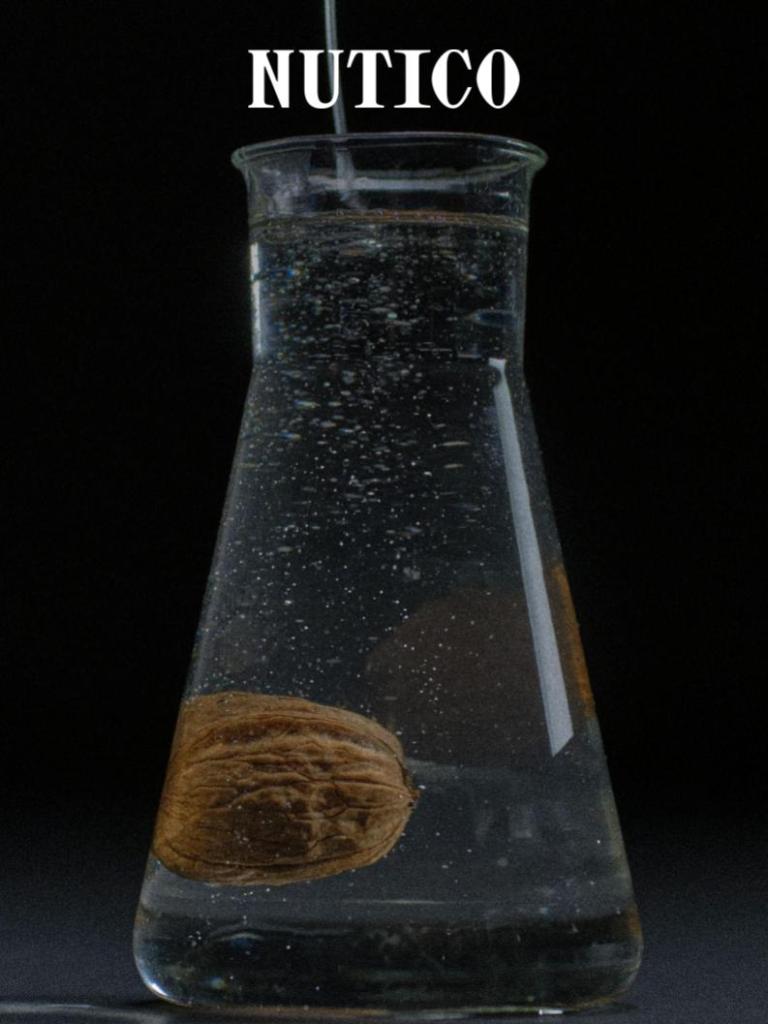
For this piece, we sat down with Katarzyna Szpicmacher, one of the founders of Bio2Materials — the Polish start-up behind Nutico™, ‘the chocolate leather’. This fully biodegradable, polyurethane-free leather alternative is made from nutshell and cacao husk waste, with no water used throughout the production process.
Nutico™ is fully scalable and gaining traction for both its accountable sustainability parameters and its durability, which makes us particularly proud to have spotted the brand early, one year ago, at the SFI Lab event at the Museum of Textiles in Łódź. We also rejoined Nutico™’s team—this time with Marta Gos at Berlin Fashion Week, where we hosted a discussion panel, Vegan Fashion Meets Innovation: Genuine Progress or Marketing Hype?, at Thursday Gathering #15 – ReFashioned by Design: yoona.ai & Venture Café Berlin.
2. Crafting Regenerative Fashion: The Current Shifts and the Way Forward

We covered the Crafting Regenerative Fashion & Textile Futures event during London Textile Month and London Fashion Week, hosted by Fashion Declares, Indilisi, and Selvedge Magazine. There, we met leading voices of the ethical fashion movement — Safia Minney, Carry Somers, Dr Sass Brown, Bel Jacobs, Emma Håkansson, and Oliver Scutt — where existing solutions were discussed and new ones proposed.
A must-read for anyone interested in alternatives to fast fashion!
3. Material on Trial: PU Leather, aka ‘The Vegan Leather’


When we launched the Material on Trial series to break down the pros and cons of vegan fashion’s most widely used materials, we knew it was a good call — but not this good. The most popular article in the series focused on polyurethane (PU) leather.
We explored PU’s ethical advantages (cool), provided extensive data and analysis on its significant environmental limitations (not so cool), and examined it both as a standalone material and as a component in plant- and fungi-based alternatives. The strong engagement suggests not only growing interest in vegan materials, but also a deeper, more critical line of questioning — creating demand for genuinely low-impact solutions.
4. Can Plastic Have Animal Ingredients?
This article addressed one of the most common assumptions in vegan fashion: that synthetic automatically means animal-free, a belief that misleadingly equates vegan fashion with plastics and overlooks recent material innovations that have made vegan alternatives increasingly accountable, low-impact, and, importantly, less dependent on conventional synthetics.
Returning to plastic, we examined where animal-derived substances can persist in plastic, from stearates to coatings and dyes, exposing the hidden layers of plastic production where animal inputs may still occur. The article’s popularity is clear evidence that our readers are deeply interested in understanding these processes in full — and are impressively vigilant.
5. The Coolest Faux Fur Coats at Copenhagen Fashion Week AW25
pc CPHFW and James Cochrane

pc CPHFW and James Cochrane
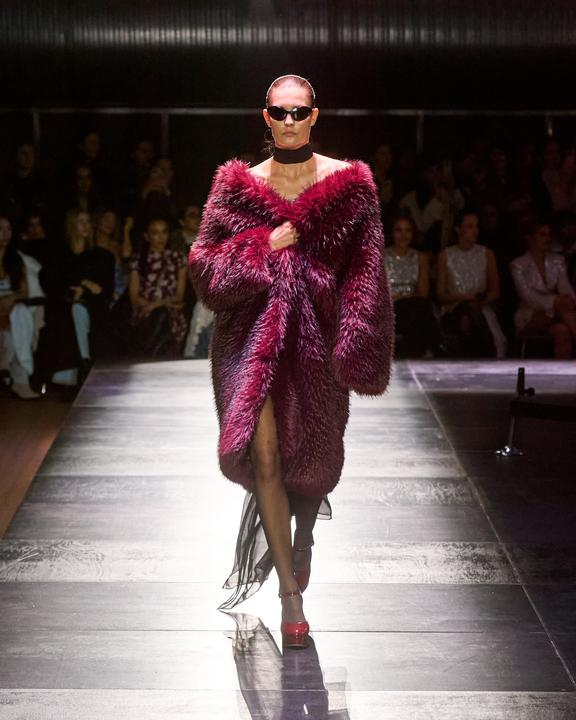
The final piece to gain top traction focused on faux fur coats spotted at Copenhagen Fashion Week AW25. This came as no surprise: fur was a major topic throughout the AW25 season — unfortunately encompassing not only faux fur, but also the unsettling return of natural fur aesthetics and, worse still, real fur itself. This is also a good moment to highlight that our Directory of Fur Alternatives already features several low-impact options that offer credible alternatives to conventional synthetic faux fur.
During the 2026 fashion weeks, we will continue scanning runways for vegan pieces from both vegan and non-vegan brands alike.
Looking Ahead to 2026
We would not be ourselves if we did not use this moment to frame New Year’s resolutions — our way — for consumers and fashion brands alike. We hope these principles resonate well beyond Veganuary.
VFR’s 2026 Resolutions: Buy better — or simply buy less.
De-stress. De-compress. De-consume.
The pressure to constantly acquire is neither sustainable nor necessary. Buying less remains one of the most effective actions individuals can take.
If you’re buying anyway, choose better.
Animal, human, and environmental exploitation are not abstract concepts. They are built into supply chains — and choices matter.
Support local craft.
Tracing a product back to the people who made it fosters accountability, respect, and connection.
Repair. Reuse. Repurpose.
Longevity is a design principle as much as a consumer habit.
Resist the micro-trend cycle.
Fast and ultra-fast fashion depend on it. Awareness is the first step out.
VFR’s 2026 Resolutions: Produce better — and, crucially, produce less.
Move beyond animal-derived materials.
Next-generation alternatives must prioritise low impact, non-toxicity, and real scalability — without compromising ethics.
Commit to fair labour.
Animal welfare cannot coexist with human exploitation. Any system that allows both is fundamentally broken.
Act responsibly — and communicate transparently.
Anything less is greenwashing, whether intentional or not.
Stop overproducing.
On-demand models, local manufacturing, and data-informed production are no longer optional.
Build community.
Sustainable growth requires shared knowledge, resources, and support. No brand succeeds in isolation.
As Vegan Fashion Repository enters another year, our direction remains unchanged: to research thoroughly, question openly, and document progress honestly — without hype, without shortcuts, and without losing sight of why cruelty-free fashion matters in the first place.
Thank you for being part of the solution. After all, a big wave is only as powerful as the sum of our everyday choices.
Discover more from Vegan Fashion Repository
Subscribe to get the latest posts sent to your email.