


*This is a product review of The Sibilla Maxi Moka Piton bag, accompanied by an extended overview of Anema as a brand. A sample was supplied specifically for the purpose of this review.*
I had the chance to see Anema’s bags in person at NEXMARKET during London Fashion Week, where I spoke directly with the brand’s founder, Francesco Esposito about the brand as well as how material innovation has to become something people genuinely want to carry.
Anema offers an interesting case study in that transition. As an Italian accessories brand, it combines a distinctly Mediterranean design language with a range of animal-free materials, from organic hemp and cactus-based alternatives to fabrics incorporating apple and citrus waste from food and beverage production. Behind the finished bags is also manufacturing principles built around traditional craftsmanship, made-to-order production and a closer look at what goes into each accessory.
A different approach to making bags
Founded in 2021, Anema grew out of Esposito’s experience in design, craftsmanship and manufacturing. The brand is a part of MF Group, a Neapolitan family business established in 1992 that specialises in leather goods and small leather accessories. Francesco and his brother Mirko have continued that manufacturing tradition while exploring different approaches to materials and contemporary bag design.
That background matters. Working with alternatives to animal leather is not simply a matter of replacing one material with another. Different surfaces have different properties, and the material chosen affects how a bag can be cut, assembled, stitched and finished. Practical knowledge of manufacturing becomes particularly valuable when working with materials that may behave differently from conventional leather.
Anema’s designs also have a strong sense of place. Its La Sibilla collection draws inspiration from Campania, while product lines named after Capri, Ischia, Procida and Minori evoke the landscapes and stories of the Mediterranean. The result is a collection in which the material choices sit alongside a recognisable design identity rather than becoming the sole focus.
The brand’s approach is built around a straightforward principle: beautiful accessories should not require animal-derived materials. Anema is PETA-Approved Vegan, and its material selection reflects an effort to explore alternatives with different origins, characteristics and environmental considerations.
From hemp to fruit waste
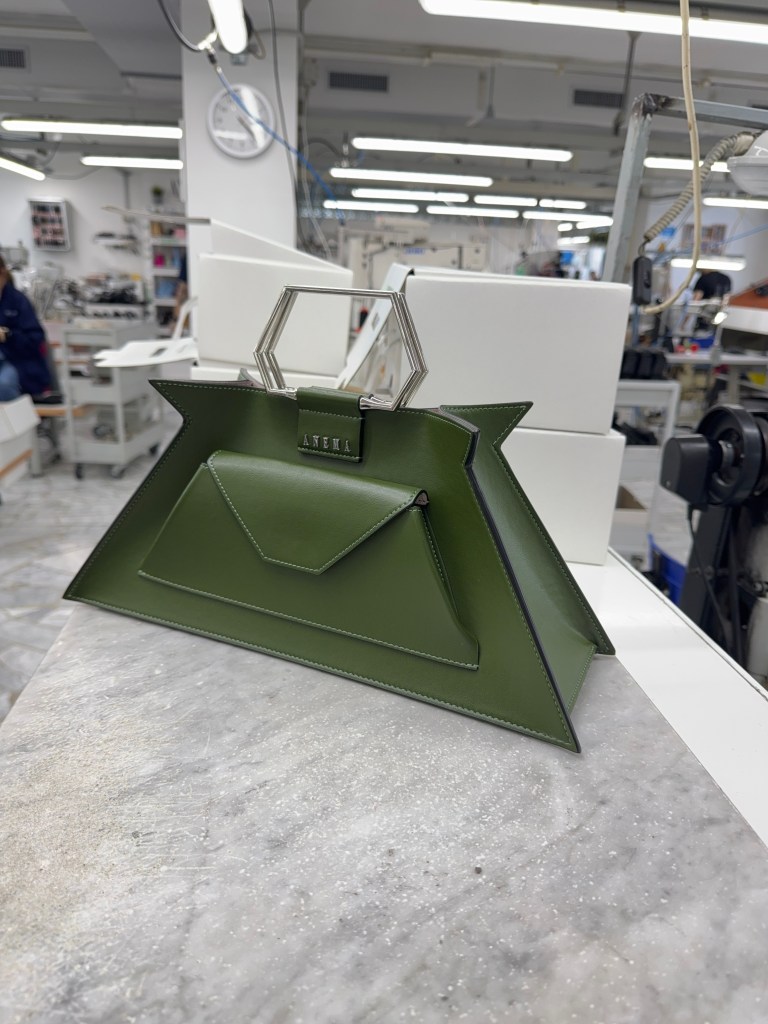
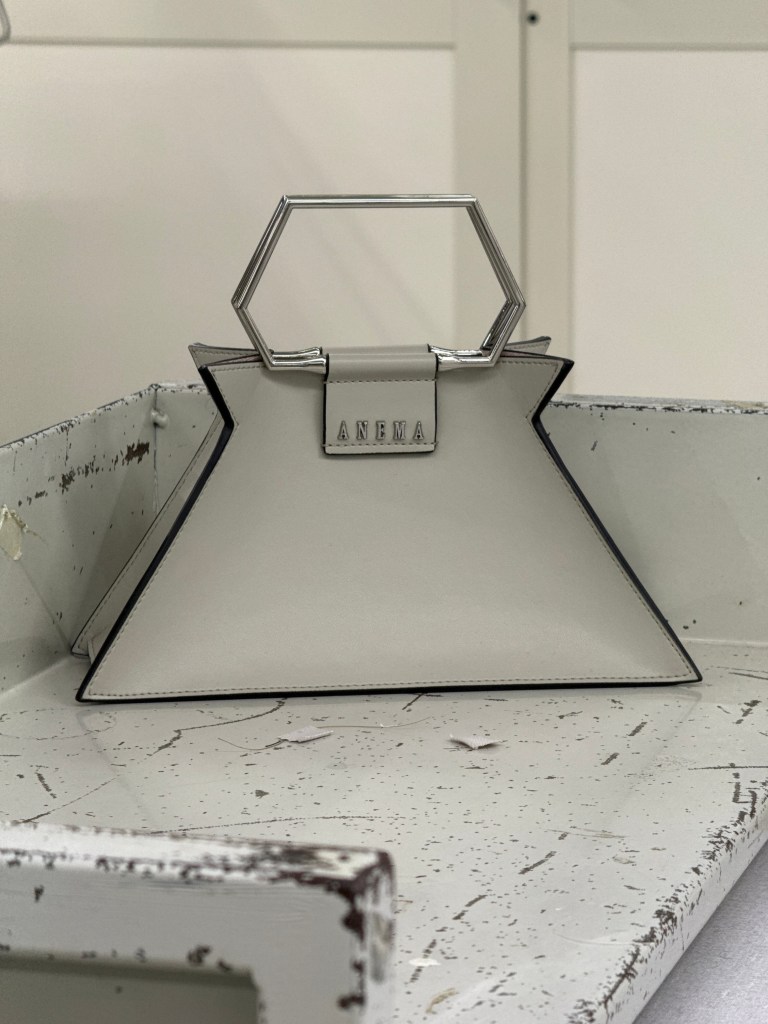
There is no single material that solves every challenge in vegan fashion. Anema’s portfolio illustrates this well, bringing together several different approaches rather than relying on one alternative.
Organic hemp is one of the more established natural options in the collection. Anema uses GOTS-certified organic hemp, which requires relatively little water compared with many conventional crops and can be grown without pesticides associated with conventional cultivation. Its durability also makes it a practical candidate for accessories designed to withstand regular use. Unlike materials developed specifically to imitate leather, hemp offers a different texture and appearance in its own right.
Cactus-based material provides another route. Anema works with Desserto, a material developed using mature leaves of the Nopal cactus cultivated in Zacatecas, Mexico. The leaves are harvested periodically, dried in the sun and processed into powder before being combined with binders to create a leather-like surface. The resulting material is designed to offer an alternative to animal leather while making use of a plant that can grow in arid conditions without irrigation.
Apple-based material brings food-industry by-products into the picture. Anema identifies Uppeal as its apple-based material, made using apple peels recovered from the juice industry in South Tyrol. The peels are processed into powder and incorporated into a material suitable for accessories, giving it another potential use rather than allowing it to go to waste.
Anema also works with a corn-based material combined with recycled PET, bringing together bio-based content and recycled synthetic fibres. Across its collection, the brand explores different material compositions and approaches to developing animal-free alternatives for accessories.
Last but not least, Anema also uses orange-based materials. The Sibilla Maxi Moka Piton bag which I am currently reviewing is made from Ohoskin®’s OH Pitone – a python-skin alternative. According to the product specification sheet, OH Pitone is composed of 50% polyurethane with an orange-based biopolymer, 30% polyamide (PA) and 20% cotton (CO), which serves as a backing material. In other words, orange-derived content is incorporated into a composite material rather than used as a standalone substitute for snakeskin. Anema’s founder Francesco Esposito also explores the story behind this material in the brand’s article, Orange Fiber: How Waste Becomes Luxury Bags.
The specification also provides useful performance data: a Bally flex resistance (aka cracking when bent and flexed) of at least 100,000 cycles at +20°C (high), and Martindale abrasion resistance of at least 12,800 cycles under dry conditions and 6,400 cycles under wet conditions (average). These results offer an indication of the material’s good ability to withstand repeated bending and surface abrasion in a testing environment — two relevant aspects of performance for a bag material. My own experience has been positive so far: I have been using the bag intensively for almost two months, including during extensive travel and in different conditions, and have not noticed any creases, tears or visible distortions.
The OH Pitone specification further states that the material originates in Italy, complies with EU REACH requirements and is produced at a facility partially powered by renewable energy.
The Sibilla Maxi Moka Piton: when the material becomes the design
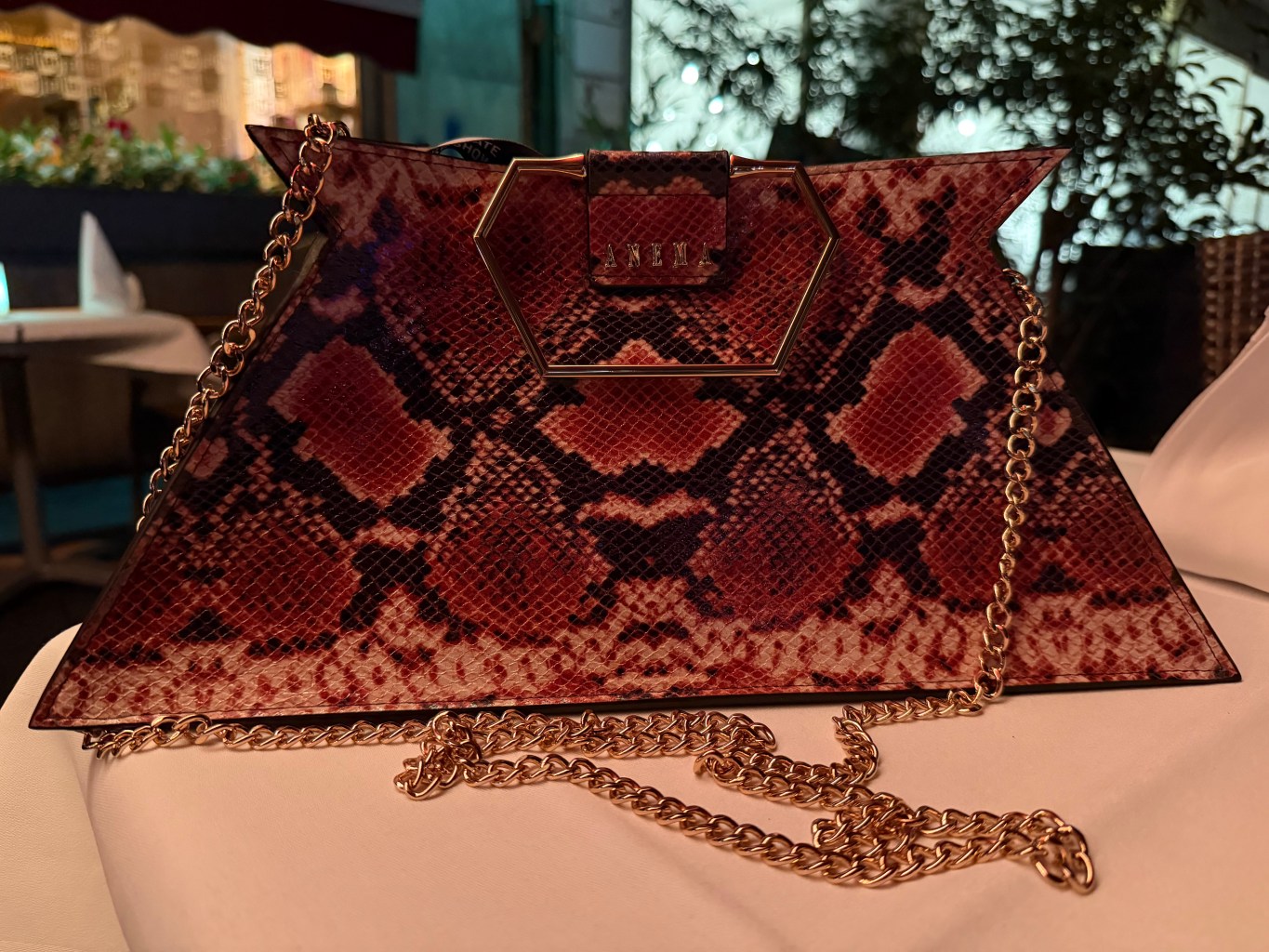
The Sibilla Maxi Moka Piton is a good example of how an alternative material can become integral to a bag’s visual identity.
With the intriguing shape, mocha colour and python-inspired surface, the design draws on the visual language of exotic skins without using python or other animal-derived materials. Anema identifies orange (Ohoskin®) as the material used for this model, placing it within the brand’s orange-peel material offering.
I had the opportunity to handle the bag in person at NEXMARKET. What makes it interesting from a materials perspective is the way the surface texture contributes to the design. The embossed, animal-inspired finish is not presented as a concession to the absence of animal leather. Instead, it becomes an aesthetic feature in its own right.
This is precisely where material innovation and design need to meet. A new material may have an interesting origin, but its potential becomes more tangible when it can be shaped into a finished product with a distinctive appearance, considered proportions and a clear design identity.
The Sibilla Maxi Moka Piton also illustrates why it is worth looking beyond broad labels such as vegan leather. Different materials can have very different compositions and manufacturing requirements, even when they are used for similar products. The surface alone cannot tell us everything about a material, but it can show how designers are finding new ways to work with it.
Made to order, made by hand
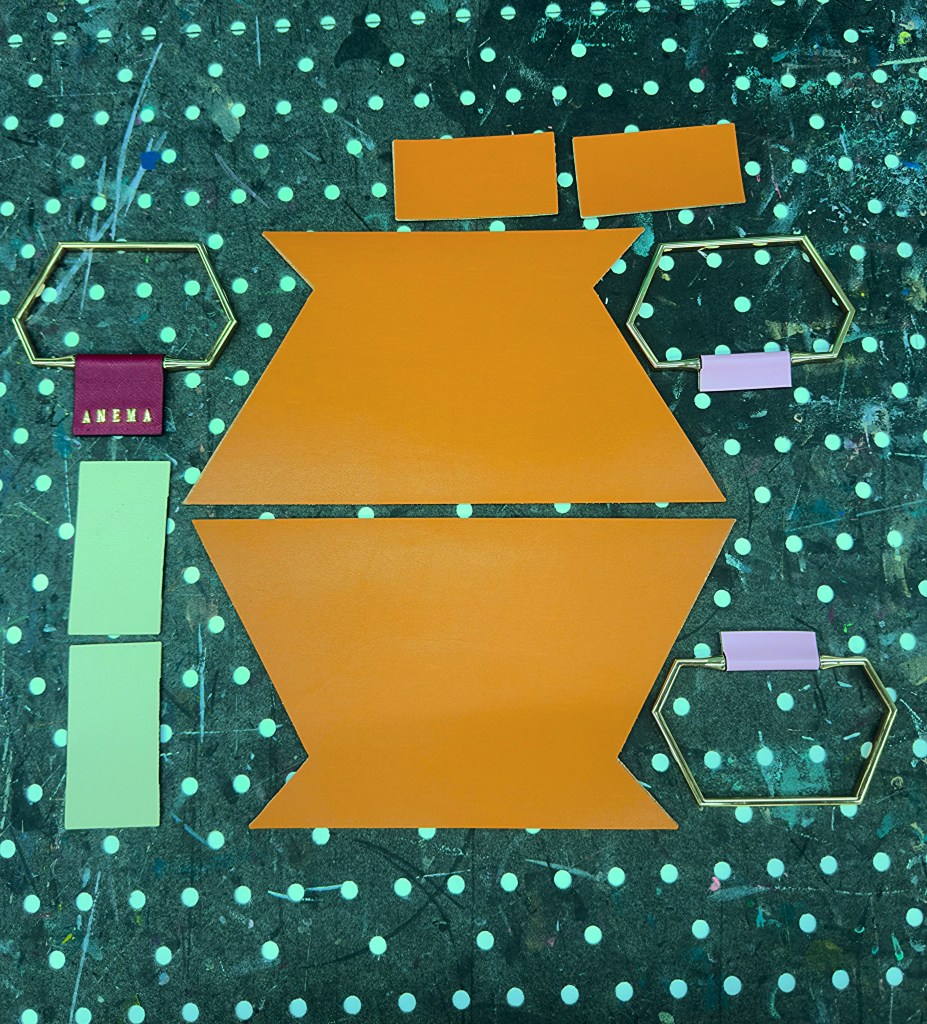
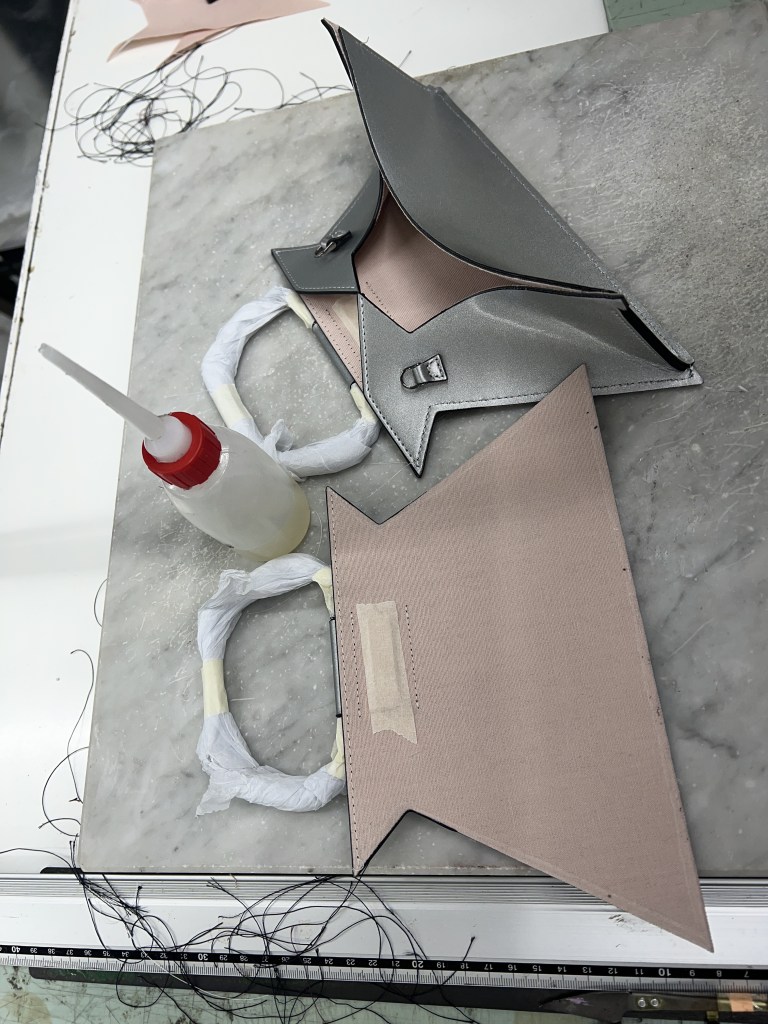
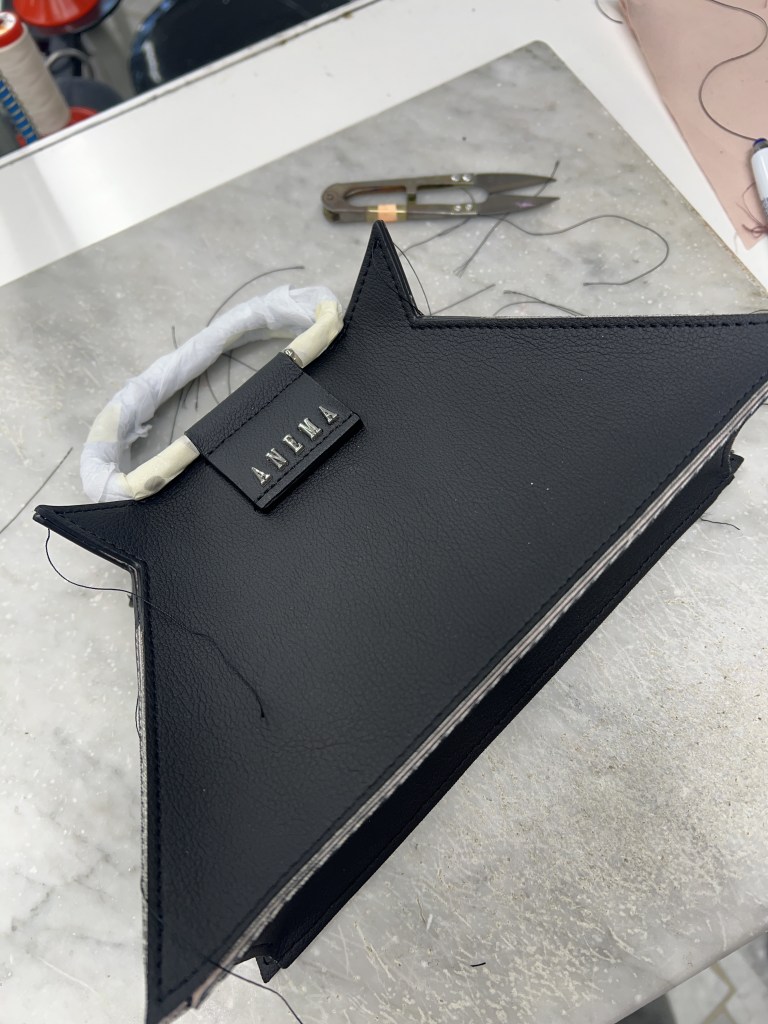
The material is only one part of the equation. Anema’s approach to production is equally central to its philosophy.
Rather than producing large quantities of finished bags in anticipation of demand, the brand makes its bags to order. According to Anema, each piece is crafted by hand after purchase, helping to avoid unnecessary stock and reduce production waste. The trade-off is that customers may need to wait longer for their bags, but the model allows production to follow actual orders rather than sales predictions.
The process begins with design development. Sketches, prototypes and tests help establish the proportions of the bag, the position of its pockets and the way its straps should sit. Functionality matters alongside appearance: an accessory needs to work in everyday use, not simply look good in a photograph.
Material selection follows careful consideration of origin, certification, texture and suitability. Once the material has been chosen, the individual pieces are cut and assembled. Linings, pockets and reinforcements are incorporated before the components are sewn together by skilled artisans in Anema’s workshop in Campania.
Each bag undergoes a final check, including inspection of stitching, edges, surfaces and zippers. Anema’s artisanal method describes this attention to detail as part of the entire process, from initial design to finishing and packaging.
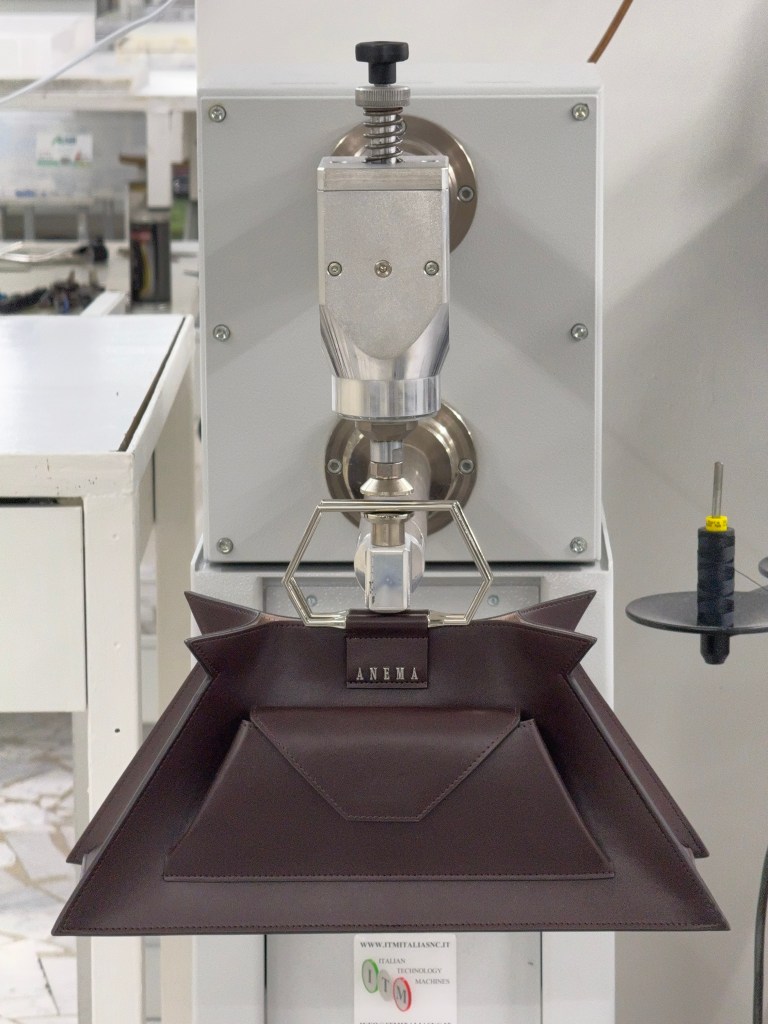
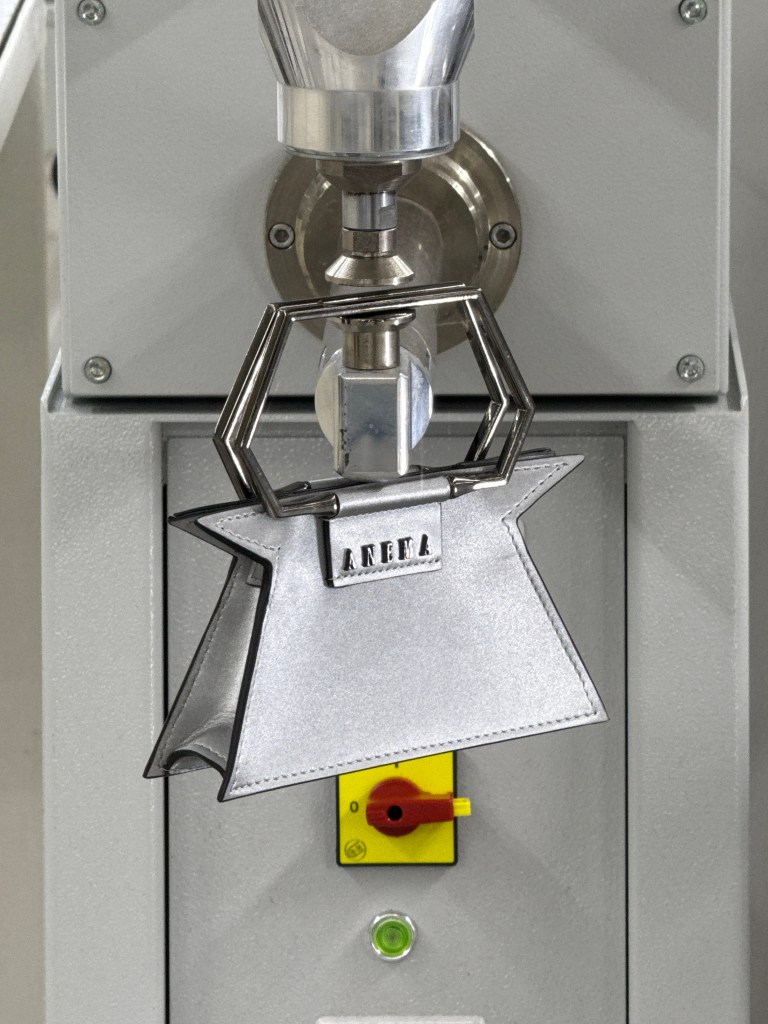
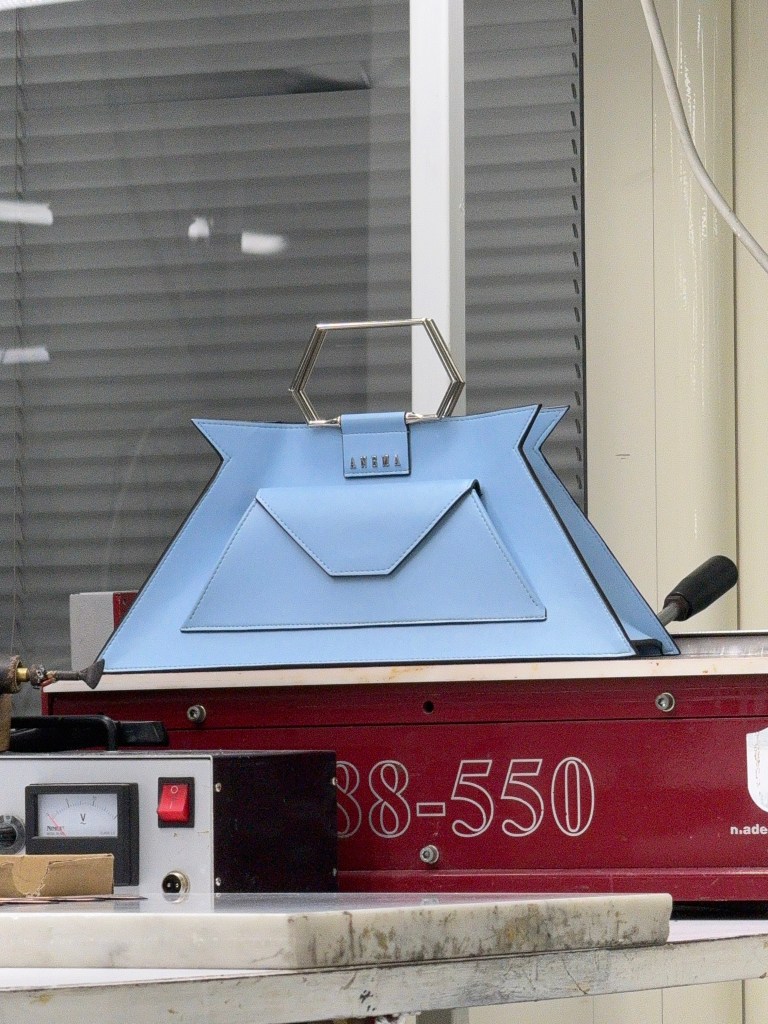
There is also a small, tangible detail in the final stage: Anema includes a scrap of the selected material in the packaging. It allows the customer to see and feel the material used to make the bag, making its presence part of the experience rather than something hidden behind the finished product.
This is a modest gesture, but an interesting one. Material transparency is often discussed in terms of technical specifications, certifications and supply-chain information. Giving customers a physical sample offers another way to make the material itself more visible.
Beyond replacing animal leather
Anema’s approach raises a broader question for the vegan fashion industry: what does it take to move from an alternative material to a genuinely desirable product?
The answer is rarely found in the material alone. Hemp, cactus, apple and citrus waste or by-products each offer different possibilities, but their value depends on how they are processed, combined with other components, used in a product and ultimately managed at the end of its life. No single ingredient guarantees a lower overall impact, and claims about sustainability need to be supported by information about composition, sourcing, performance and production.
At the same time, innovation needs to reach beyond the laboratory. Designers and manufacturers need to understand how new materials behave, while consumers need finished products that offer convincing design, functionality and durability.
Anema brings these elements together through a combination of alternative materials, hands-on manufacturing experience and made-to-order production. Its bags demonstrate one way of exploring animal-free accessories without treating the absence of animal leather as the defining aesthetic feature.
And perhaps that is where the next stage of material innovation begins: not simply with finding something that can replace animal leather, but with learning how to make something distinctive, functional and worth keeping — while being transparent about what it is made from and how it came to be.
Explore more about Anema’s materials, artisanal production method, collections, and blog.
Author

Discover more from Vegan Fashion Repository
Subscribe to get the latest posts sent to your email.